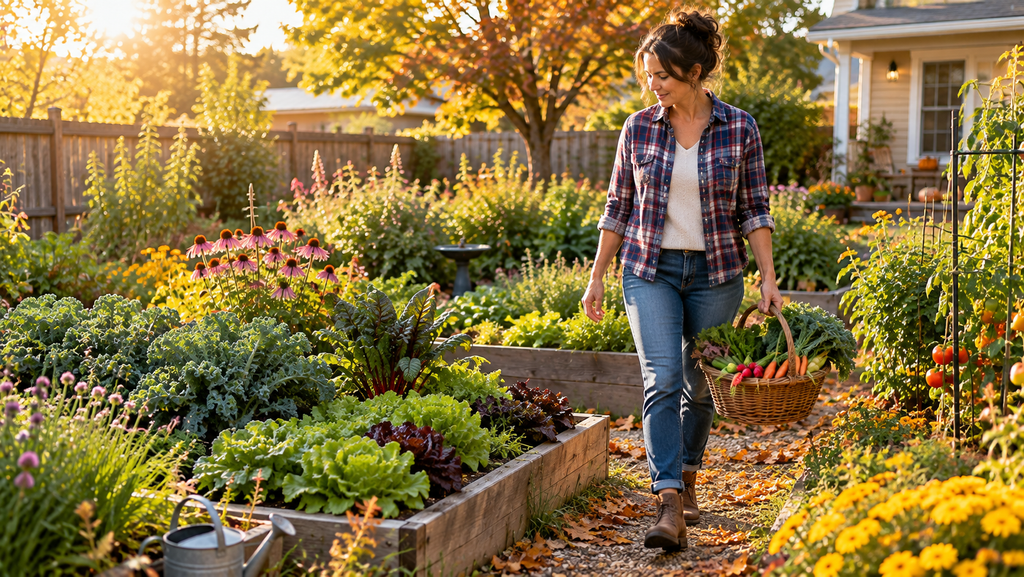
September can feel like the month when the garden is winding down. Summer vegetables are slowing, flower beds look a little tired, and cooler evenings make it tempting to put away the gardening gloves for another year.
But for many U.S. gardeners, September is actually one of the most useful months in the gardening calendar.
The heat of summer is beginning to ease, the soil is still warm enough for many plants to establish roots, and there is still time to improve your garden before winter arrives. In many parts of the country, you can plant another round of vegetables, divide certain perennials, improve your soil, collect seeds, and prepare your beds for a healthier spring.
The important thing is not to treat every garden in the United States the same. A gardener in Minnesota has a very different September from someone in Georgia, Arizona, or Southern California. Your USDA hardiness zone, first expected frost date, local weather, and the specific plants in your garden should guide your timing.
With that in mind, here are some of the most useful September gardening tips to put to work right now.
1. Start With Your First Frost Date
Before planting anything new in September, find out approximately when your area normally experiences its first fall frost.
This one date can help you decide what is still worth planting and what should be left for next year.
Fast-growing vegetables such as radishes and some leafy greens may have plenty of time to produce a harvest. Slower crops may need to be started earlier or purchased as young plants.
Don’t rely on a calendar date alone. Weather can vary considerably from one year to the next.
A simple rule is to check the expected maturity time on the seed packet and compare it with your local growing conditions. Then give yourself a little extra breathing room.
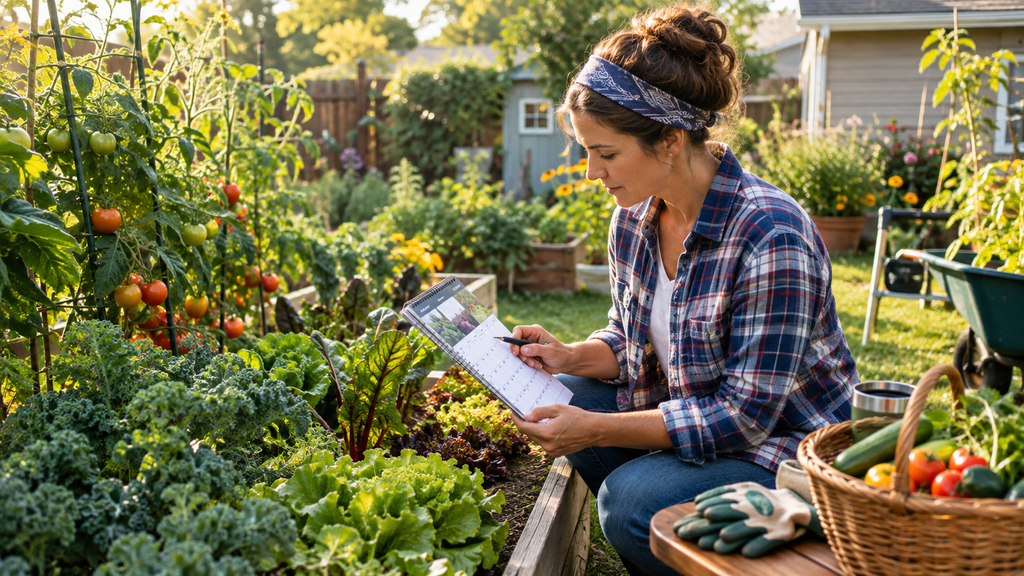
One of the biggest mistakes gardeners make is assuming vegetable gardening ends when summer crops decline.
Cool-season vegetables can give you a second harvest.
Depending on your region and remaining growing season, September may be a good time to grow crops such as:
- Spinach
- Lettuce
- Radishes
- Kale
- Arugula
- Swiss chard
- Beets
- Carrots
- Turnips
- Green onions
- Certain peas and herbs
The exact timing matters. Some vegetables can tolerate cool weather surprisingly well, while others need more time to mature before freezing temperatures arrive.
If you are starting from seed, keep the soil consistently moist while the seeds are germinating. September can still bring surprisingly warm and dry days in many parts of the country.
A light layer of mulch can help maintain more consistent soil moisture once seedlings are established.
University Extension guidance also notes that many cool-season crops can be planted again later in the growing season, extending the harvest beyond summer.
3. Don’t Pull Out Every Summer Plant Too Early
Your tomato plants may look exhausted. Squash vines may have slowed down. Cucumber plants may be showing signs of disease or insect damage.
That doesn’t necessarily mean everything needs to be removed immediately.
If a healthy plant is still producing, let it continue. On the other hand, plants that are clearly diseased or badly damaged should be removed rather than left sitting in the garden.
This distinction is important.
Healthy plant material can sometimes be composted, while diseased material should generally be removed and disposed of appropriately so you don’t spread the same problem into next year’s garden. Illinois Extension specifically recommends removing diseased plants during fall cleanup.
Before pulling out a vegetable plant, take a moment to look closely. You may discover a few more tomatoes, peppers, beans, or herbs waiting to be harvested.
4. Give Your Soil Some Attention
If you want a better garden next year, September is a great time to start thinking about the soil.
Rather than automatically adding fertilizer, consider getting a soil test if you haven’t done one recently.
A soil test can tell you whether your garden actually needs nutrients such as nitrogen, phosphorus, potassium, or lime. That is much more useful than guessing.
Adding finished compost or other appropriate organic matter can also help improve the condition of garden soil.
Try not to work soil when it is extremely wet. Working saturated soil can damage its structure and create compaction.
Healthy soil is one of those gardening improvements that may not look dramatic immediately, but it can make a noticeable difference over time.
5. Use Fallen Leaves Instead of Treating Them Like Trash
Soon, leaves will start falling across lawns and garden beds throughout much of the country.
Your first instinct may be to rake everything into bags.
Before you do, consider where those leaves can be useful.
Shredded leaves can make excellent mulch and can also become valuable organic matter as they break down. Some can be added to a compost pile, while others can be used around appropriate garden plants.
There is one important difference, though: a thick layer of leaves left on a lawn can smother the grass.
Garden beds are another story.
Research-based gardening guidance increasingly recommends leaving some natural leaf litter and plant material in appropriate areas because they can provide overwintering habitat for insects and other wildlife.
You don’t have to choose between a completely messy yard and a perfectly sterile garden. A little balance goes a long way.
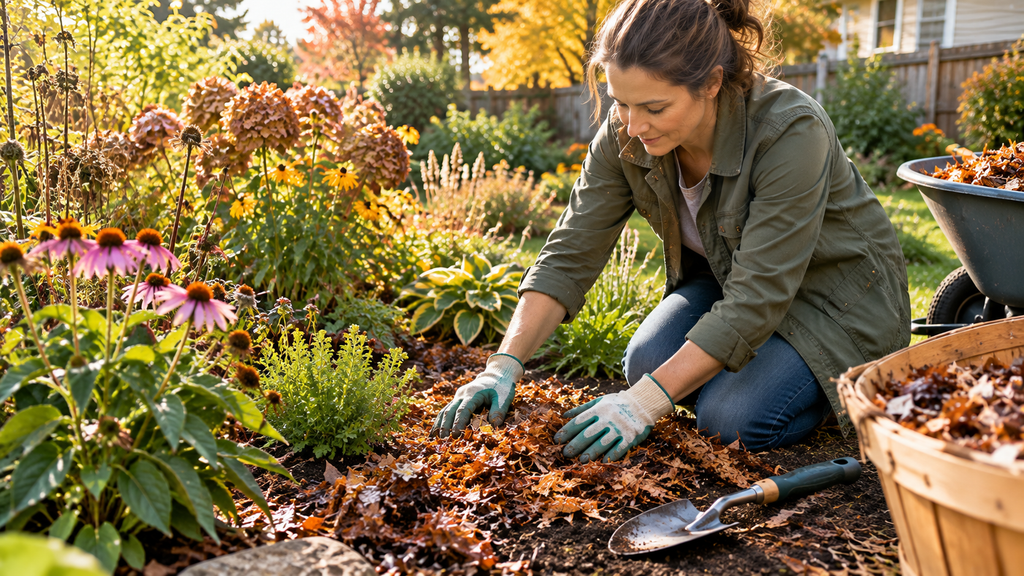
6. Don’t Cut Back Every Perennial
This may feel strange if you’re used to giving your garden a complete fall haircut.
But not every perennial needs to be cut back in September.
Some plants can provide winter interest, seed for birds, and shelter for beneficial insects and pollinators. Leaving selected stems and seed heads standing can make the garden more useful during the colder months.
Of course, diseased plants are different. Remove diseased material rather than leaving it in place.
A good compromise is to clean up plants that truly need attention while leaving healthy seed heads and stems where they can safely remain.
Penn State Extension specifically recommends a less aggressive approach to fall cleanup in pollinator-friendly gardens.
7. Plant Spring-Blooming Bulbs
If you want tulips, daffodils, crocuses, or other spring bulbs next year, fall is the time to think ahead.
The best planting window varies depending on your region and the bulb, so don’t simply follow the same calendar date every year.
Choose a location with suitable light and well-draining soil. Plant bulbs according to the depth recommended for that particular variety.
One of the nicest things about bulb planting is that it feels like you’re gardening for your future self.
You do a little work in the fall, forget about it during winter, and then suddenly see those first spring flowers appear.
8. Refresh Containers Before Cold Weather Arrives
Container gardens deserve attention too.
Remove dead annuals and inspect your pots for plants that you want to keep growing through the cooler months.
Some containers can be replanted with cool-season flowers or edible greens. Others may need to be moved to a more protected location as temperatures drop.
If you have expensive ceramic or delicate containers, remember that freezing and thawing can damage certain materials.
Clean empty pots, remove old roots, and store containers appropriately.
This small job now can save you a surprisingly large cleanup project next spring.
9. Clean Your Garden Tools
This is probably one of the least exciting gardening jobs—and one of the easiest to ignore.
It is also worth doing.
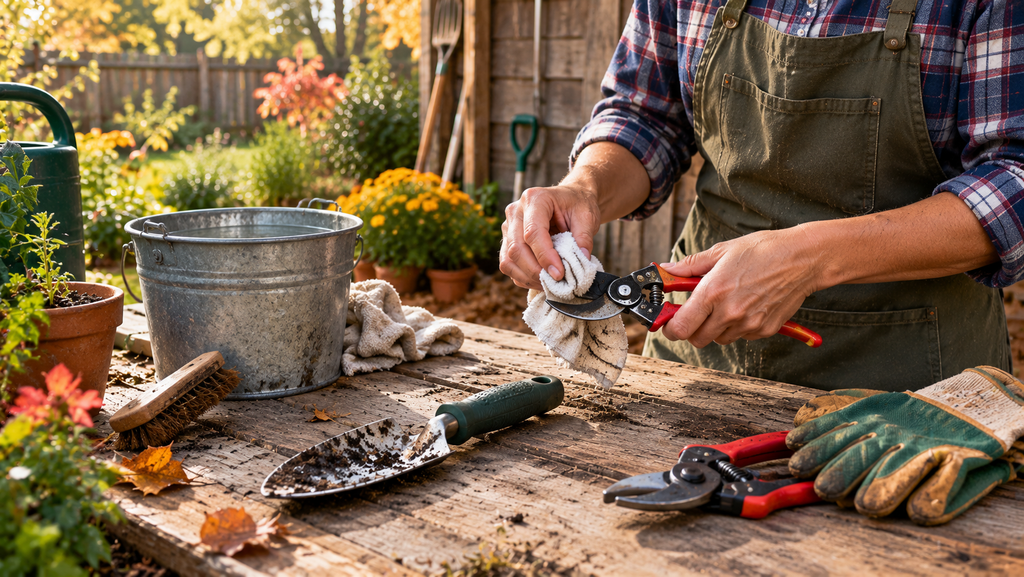
Before putting tools away for the season, remove soil and plant debris. Clean and dry metal surfaces and give appropriate tools a light coat of protective oil if needed.
Pruning tools deserve particular attention, especially if you’ve been cutting diseased plants.
Penn State gardening guidance recommends cleaning and disinfecting tools after cutting diseased plants.
A few minutes of maintenance can leave your tools ready for the next gardening season instead of starting spring with rusty shears and a dirty shovel.
If you have raised beds or vegetable garden space that will remain empty through winter, don’t automatically leave the soil completely exposed.
Cover crops can be useful in appropriate climates and garden situations.
Certain grasses and legumes can help protect soil, suppress weeds, and contribute organic matter when managed correctly.
Winter rye, winter wheat, peas, clover, and other cover crops may be options depending on your region and planting window.
However, cover crops aren’t a one-size-fits-all solution. Before planting, check recommendations for your state and make sure you understand how and when the crop should be terminated in spring.
Illinois Extension notes that cover crops can help protect soil, reduce weeds, improve soil structure, and contribute organic matter.
11. Take Photos and Make Notes
Here’s a simple gardening habit that can become incredibly useful.
Take pictures of your garden now.
Write down which plants performed well, which ones struggled, where you had pest problems, and which varieties produced the best harvest.
You don’t need a complicated gardening journal.
A few notes in your phone can be enough.
For example:
Tomatoes: Excellent production near south fence.
Lettuce: Bolted quickly in summer.
Kale: Strong growth, plant again next year.
Zucchini: Pest problems by late August.
Next spring, these notes can save you from making the same decisions all over again.
12. Don’t Forget the Birds and Pollinators
A garden doesn’t have to be perfectly tidy to be healthy.
Leaving some seed heads, stems, leaves, and natural areas can provide valuable habitat for insects and wildlife during the colder months.
You can also think ahead about next year’s pollinator garden.
Which flowers attracted bees and butterflies? Which plants bloomed when very little else was flowering?
Those observations can help you create a garden that provides food and habitat over a longer portion of the year.
The goal isn’t to make your yard look wild everywhere. Instead, create a thoughtful mix of tidy spaces and natural areas.
A Simple September Garden Checklist
If you’re short on time, start with these jobs:
☐ Check your local first frost date
☐ Plant suitable fall vegetables
☐ Harvest ripe summer produce
☐ Remove diseased plants
☐ Test your soil if needed
☐ Add finished compost where appropriate
☐ Use shredded leaves as mulch
☐ Leave selected healthy perennials standing
☐ Plant spring bulbs when appropriate
☐ Clean and maintain garden tools
☐ Consider cover crops for empty beds
☐ Take notes and photos for next year
☐ Make a plan for pollinator-friendly spring planting
The Best September Gardening Tip? Don’t Rush
The biggest lesson for September is that gardening isn’t really about finishing everything before winter.
It’s about making a few smart decisions now that make the next season easier.
Maybe that means planting a final row of spinach. Maybe it’s adding leaves to a compost pile instead of sending them away. Maybe it’s leaving a few flower stems standing for winter wildlife. Or perhaps it’s simply taking ten minutes to write down what worked in your garden this year.
And don’t forget that September gardening looks different across the United States. A gardener in the Pacific Northwest, Northeast, Southeast, Southwest, or Upper Midwest may have completely different planting opportunities.
Use your local climate and first frost date as your guide rather than copying a gardening calendar from another state.
A garden doesn’t have to be perfect to be productive.
Sometimes the best garden is the one that gives you fresh food in October, healthier soil next spring, and a little more time to enjoy being outside.