
A beautiful garden does not have to be large, expensive, or filled with perfectly arranged flower beds. Sometimes, the most successful gardens are the ones that work naturally with the space you already have.
If you have ever planted vegetables that barely grew, watched flowers wilt in the summer heat, or wondered why certain plants thrive in one corner of your yard but struggle somewhere else, you are not alone. Many gardening problems have less to do with your skills and more to do with where and how you plant.
One of the most useful backyard gardening tips is to understand the small differences within your own yard. A sunny patch beside the house, a shady area under a tree, and a damp corner near a downspout can each create different growing conditions.
Once you learn how to work with these differences, gardening becomes easier, more affordable, and much more rewarding.
The good news? You do not need professional landscaping experience to get started. With a little observation, thoughtful plant selection, and a few simple improvements, you can turn an ordinary backyard into a healthy, inviting garden.
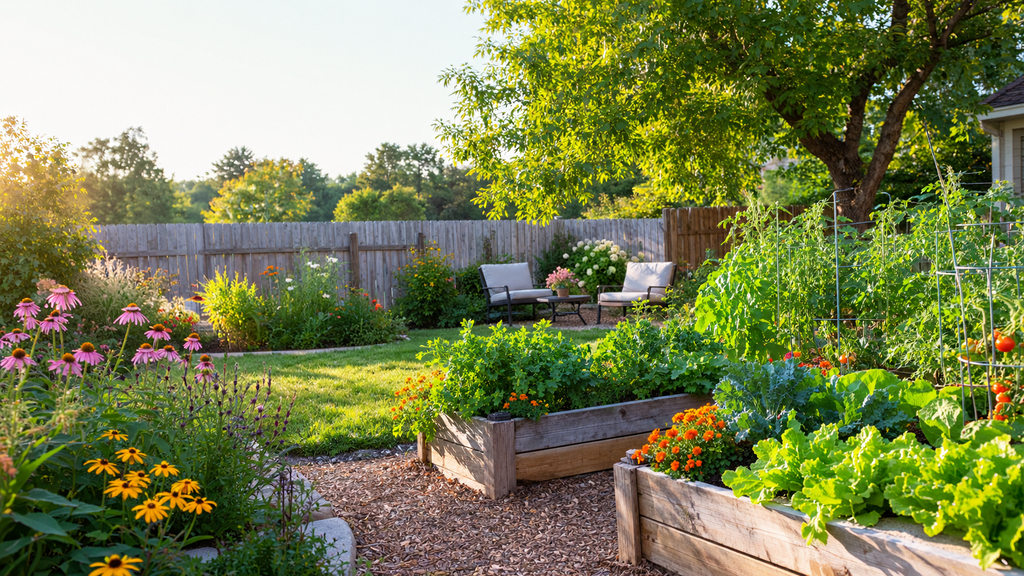
1. Get to Know Your Backyard Before Planting
Before buying seeds, flowers, or expensive gardening supplies, spend a few days observing your backyard.
You may be surprised by how different one area can be from another. The spot that receives morning sunlight might be perfect for leafy greens, while a hot afternoon corner may be better suited to heat-tolerant flowers.
These small differences are known as microclimates. They are created by sunlight, shade, buildings, fences, trees, wind, and moisture.
Start by noticing three things.
Sunlight: Which areas receive direct sunlight, and for how many hours? Most fruiting vegetables, including tomatoes and peppers, grow best with around six to eight hours of direct sunlight. Leafy greens and many shade-tolerant ornamentals can grow with less.
Wind: Is one side of your yard exposed to strong winds? Delicate plants and young seedlings may struggle there. A fence or strategically placed shrubs can provide some protection.
Moisture: Does water collect in certain spots after rain? These areas may need plants that tolerate wetter soil, or improvements to drainage before planting.
Take a few photos of your yard at different times of the day. This simple habit can help you identify the best places for flowers, vegetables, herbs, and seating areas.
Instead of fighting your backyard’s natural conditions, use them to your advantage.
2. Match the Right Plants to the Right Places
One of the biggest beginner gardening mistakes is choosing plants because they look beautiful at the garden center without checking whether they suit the growing conditions at home.
A plant that loves full sun will rarely thrive in a dark corner, no matter how carefully you water it.
The easiest solution is to choose plants based on the conditions you discovered in your backyard.
For sunny vegetable beds, consider tomatoes, peppers, basil, bush beans, and cucumbers. These are popular choices for home vegetable gardens, although their growing seasons and planting dates depend on your local climate.
For partly shaded areas, try leafy greens such as lettuce and spinach during suitable growing seasons. Hostas, coral bells, and certain ferns can also bring attractive foliage to shaded ornamental gardens.
If you have a sunny flower border, consider coneflowers, black-eyed Susans, and other perennials suited to your region.
Native plants are particularly worth considering. Because they are adapted to local conditions, many established native plants require less supplemental watering than poorly matched alternatives. They can also provide valuable food and shelter for local pollinators.
Always check the mature size of a plant before purchasing it. A small shrub may eventually become several feet wide, and overcrowding can lead to poor airflow and unnecessary maintenance.
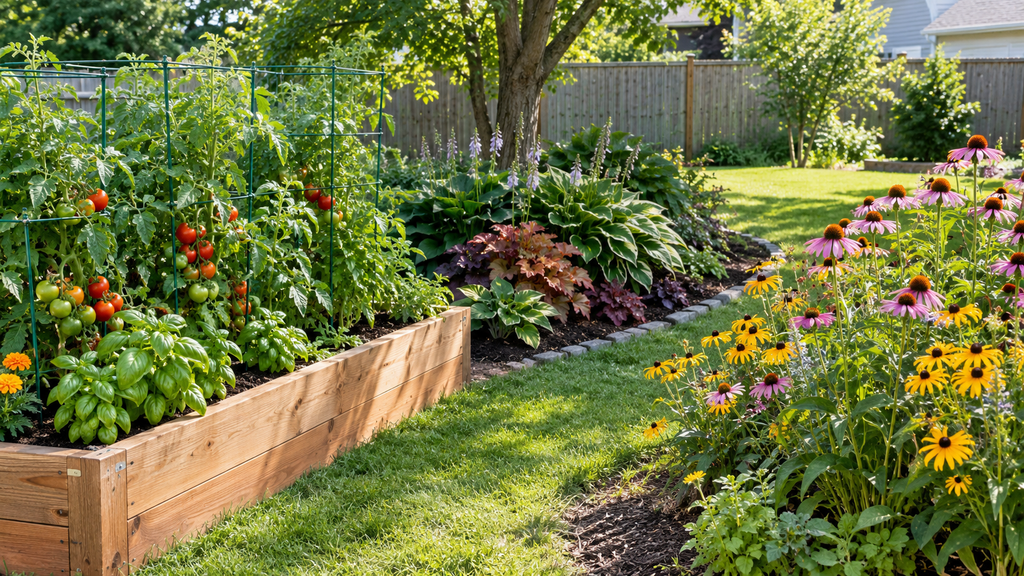
3. Improve Your Soil Before Spending More on Plants
Healthy soil is one of the best investments you can make in your garden.
You can purchase beautiful plants and follow every watering recommendation, but poor soil can still limit their growth. Soil affects how roots develop, how water drains, and how easily plants access nutrients.
Start by checking the texture of your soil.
Does it feel sticky when wet? It may contain a high proportion of clay. Does water disappear quickly, leaving the ground dry? Your soil may be sandy.
Neither type automatically means you have a bad garden. The goal is to improve the soil gradually and choose plants suited to its conditions.
Adding finished compost is one of the simplest ways to improve many garden soils. Compost can support soil structure, encourage beneficial biological activity, and help the soil manage moisture more effectively.
Spread a layer of finished compost over an existing bed and gently incorporate it into the upper soil where appropriate. Avoid digging deeply around established plants, since this can damage their roots.
For vegetable gardens, consider getting a soil test through your local cooperative extension service. In the United States, these services can often help homeowners understand soil pH and nutrient levels.
A soil test is especially useful before adding fertilizer or lime. Applying products without knowing what your soil needs can waste money and create nutrient imbalances.
Remember that more fertilizer does not automatically mean more growth. Healthy roots and balanced soil conditions matter just as much.
4. Use Mulch to Save Water and Reduce Weeds
If you want a garden that requires less maintenance, mulch deserves a place near the top of your list.
Bare soil loses moisture more quickly, particularly during hot, sunny weather. It also gives many weed seeds an opportunity to germinate.
A suitable layer of organic mulch can help slow moisture loss, moderate soil temperature, and reduce the number of weeds that emerge.
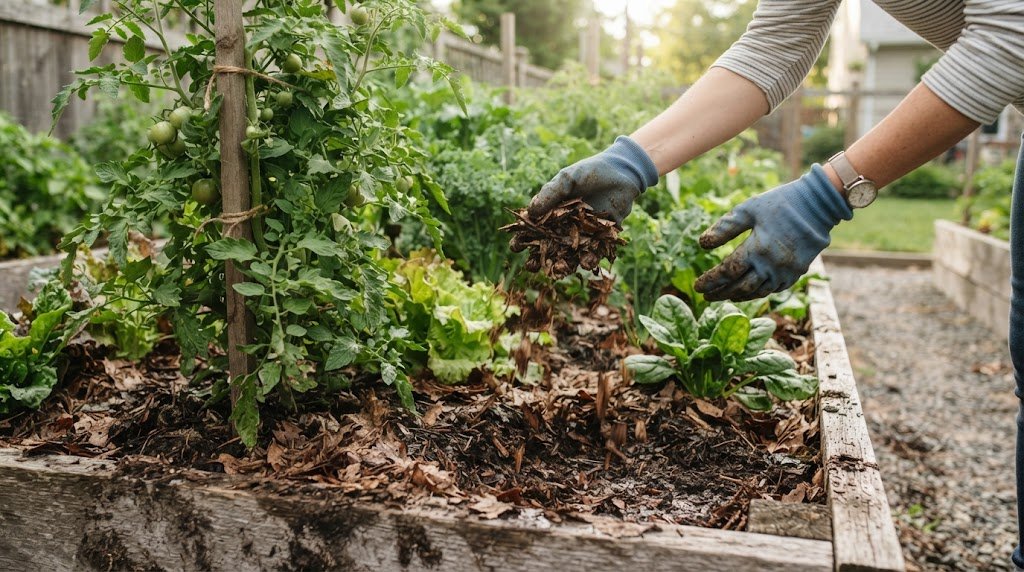
For vegetable beds and flower borders, shredded leaves, untreated wood chips, and clean straw can be useful options, depending on the plants and the garden’s needs.
Apply mulch evenly, generally around two to three inches deep for many garden beds. Keep it a few inches away from plant stems and tree trunks to reduce the risk of rot and pest problems.
Avoid piling mulch into tall mounds around trees. The root flare, where the trunk widens into the roots, should remain visible.
You can also make use of fallen leaves in autumn. Shredded leaves are a valuable, low-cost material for many home gardens. They can be used as a light mulch or added to a compost pile.
For American homeowners who deal with hot summers, reducing moisture loss can make a noticeable difference in how often garden beds need watering.
5. Water Your Garden More Effectively
Watering seems simple, but it is one of the areas where small changes can make a big difference.
A quick splash over the leaves every evening may feel helpful, yet it often does not deliver enough water to the root zone. Frequent, shallow watering can encourage roots to remain near the soil surface, where they are more vulnerable to drying out.
For many established garden plants, deeper watering when the soil begins to dry is more effective than frequent light watering.
The right schedule depends on your climate, soil type, rainfall, and the plants you are growing. A raised bed in a hot, dry region may need water much more often than an established perennial border in a cooler climate.
Before watering, check the soil with your finger. If the upper couple of inches are dry, investigate whether the root zone also needs moisture.
Water near the base of the plant whenever practical. This directs water toward the roots and helps keep foliage dry, which can reduce the conditions that encourage certain plant diseases.
Morning is often a convenient time to water because plants can absorb moisture before the hottest part of the day.
For larger gardens, a drip irrigation system or soaker hose can make watering more consistent. A simple timer can also help, but check your plants and soil rather than relying entirely on a fixed schedule.
After rainfall, remember to adjust your watering routine. Your garden may already have received all the moisture it needs.
6. Grow More Food in a Small Backyard
You do not need a large property to enjoy homegrown vegetables.
A compact raised bed, a few containers, or a sunny strip beside a fence can produce a surprising amount of fresh food when planned carefully.
The key is to grow vegetables that your household actually enjoys eating.
If you regularly use fresh herbs, start with basil, parsley, chives, or thyme. If tomatoes are a favorite, choose a variety suited to your available space and growing season.
For smaller yards, compact or bush varieties can be easier to manage than sprawling plants. Containers are useful for patios, balconies, and paved areas, provided they have drainage holes and enough room for healthy roots.
You can also make better use of your growing season by planting quick-growing crops between slower-growing vegetables.
For example, lettuce or radishes may be harvested before a nearby larger plant needs the entire space. This approach is sometimes called succession planting or interplanting, depending on how the crops are arranged.
Just avoid crowding plants too tightly. Good spacing improves airflow, gives roots room to grow, and makes harvesting easier.
In much of the United States, planting dates vary considerably between regions. Use your local frost dates and regional planting guidance rather than following a calendar designed for another state.
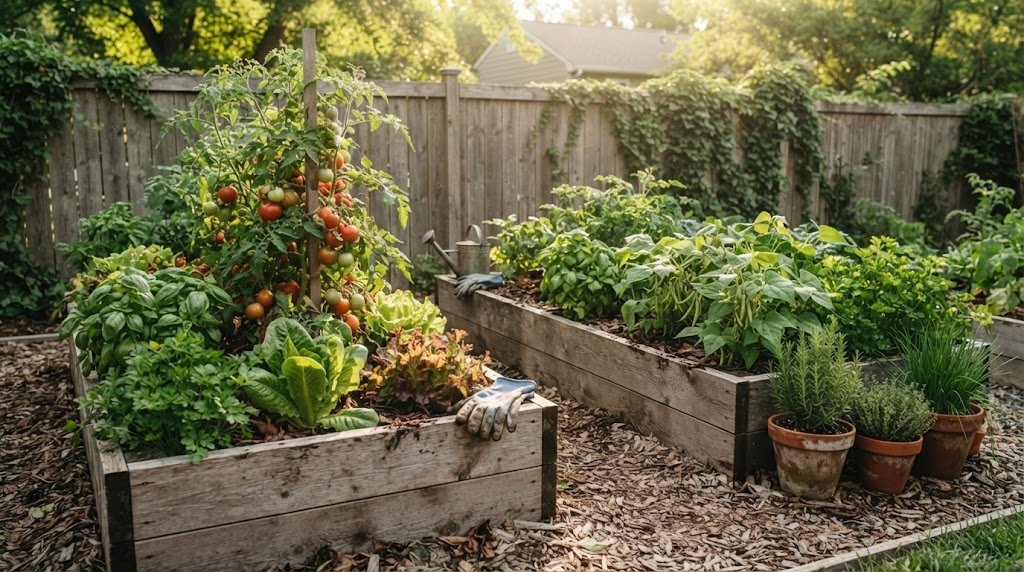
7. Create a Garden That Supports Pollinators
A thriving garden is not just about vegetables and flowers. It can also provide food and shelter for bees, butterflies, and other beneficial insects.
One of the easiest ways to support pollinators is to grow a variety of flowering plants that bloom at different times throughout the growing season.
Choose a mix of native flowers, shrubs, and perennials that suit your region. In many parts of the United States, plants such as native asters, coneflowers, and black-eyed Susans can provide useful seasonal blooms.
Try grouping several plants of the same species together. A larger patch of flowers can be easier for pollinators to find than scattered individual blooms.
Avoid using broad-spectrum pesticides when possible, especially when plants are flowering and pollinators are active. If pest control is necessary, identify the problem first and choose the least disruptive effective approach.
You can also leave a small area of your yard a little less manicured. Some beneficial insects use leaf litter, hollow stems, or undisturbed soil for shelter.
A pollinator-friendly garden does not have to look wild or untidy. With thoughtful planting, it can be colorful, organized, and beautiful throughout the season.
8. Make Garden Maintenance Easier With a Simple Routine
A garden becomes easier to manage when you spread small tasks throughout the week instead of waiting until everything needs attention.
You do not need to spend hours outside every day. A short, regular check can help you notice problems before they become serious.
Use this simple routine as a starting point:
- Twice a week: Check soil moisture, especially in containers and raised beds.
- Once a week: Look for damaged leaves, weeds, and signs of pests or disease.
- Every week or two: Harvest ripe vegetables and remove flowers that benefit from deadheading.
- Monthly: Check mulch depth, inspect supports, and review whether plants have enough room.
- Seasonally: Add compost when appropriate, clean up diseased plant material, and plan for the next growing season.
Adjust this schedule to your climate and garden. During periods of extreme heat, newly planted beds may need more frequent attention.
Keep a small gardening notebook or use your phone to record planting dates, successful varieties, rainfall, and problems you encounter.
Over time, these notes become a personalized guide to what works in your backyard.
Final Thoughts
Creating a thriving backyard garden is less about buying the perfect plants and more about understanding the space you already have.
Pay attention to sunlight, choose plants that suit your local conditions, improve your soil, and use mulch to help conserve moisture. Add vegetables, flowers, and pollinator-friendly plants that fit your lifestyle.
Most importantly, give yourself permission to experiment. Not every plant will succeed, and even experienced gardeners have seasons when things do not go as planned.
Each growing season teaches you something new about your soil, your climate, and the plants that belong in your yard.
Start with one small area, make a few thoughtful changes, and build from there. With patience and consistent care, even an ordinary backyard can become a productive, welcoming garden that brings beauty, fresh food, and enjoyment to your home.