
A beautiful home doesn’t have to look like a furniture showroom.
In fact, some of the most inviting American homes are the ones that feel comfortable, personal, and a little lived-in. A soft throw on the sofa, a vintage lamp picked up at a flea market, a stack of books on the coffee table, or a bowl filled with seasonal fruit can often do more for a room than an expensive piece of furniture.
If your home feels a little plain right now, you probably don’t need to start over. A few thoughtful changes can completely shift the mood of a room.
The best part? You can create a warm, stylish home without spending a fortune.
Here are some practical home decor ideas that can help your space feel more welcoming, polished, and genuinely yours.
1. Start With Warmth Instead of Chasing Trends
One of the easiest ways to make a home feel more expensive is to stop trying to make every item look brand new.
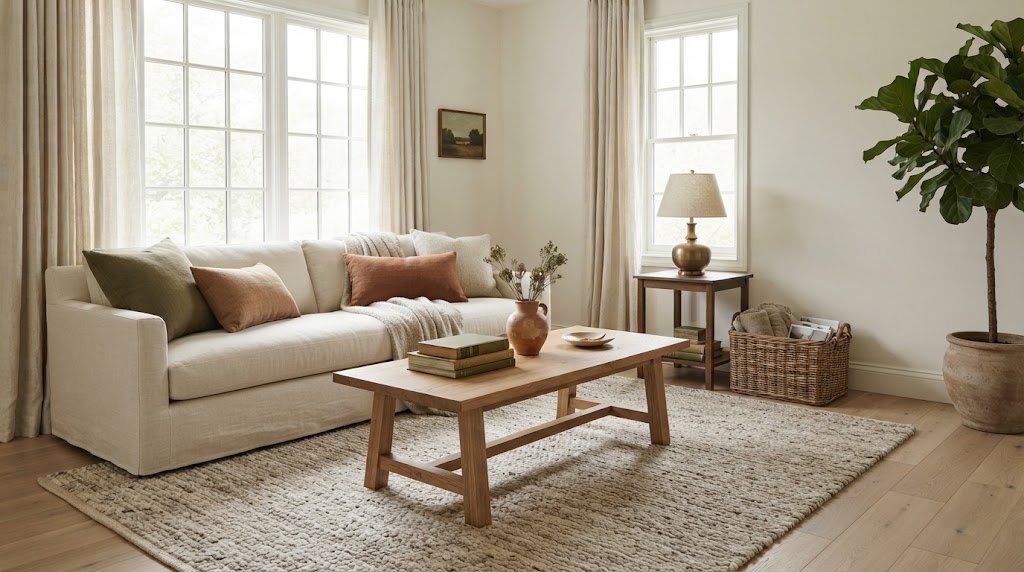
Rooms can feel cold when everything is perfectly matched, overly sleek, or chosen from the same collection. Instead, combine different textures, finishes, and shapes.
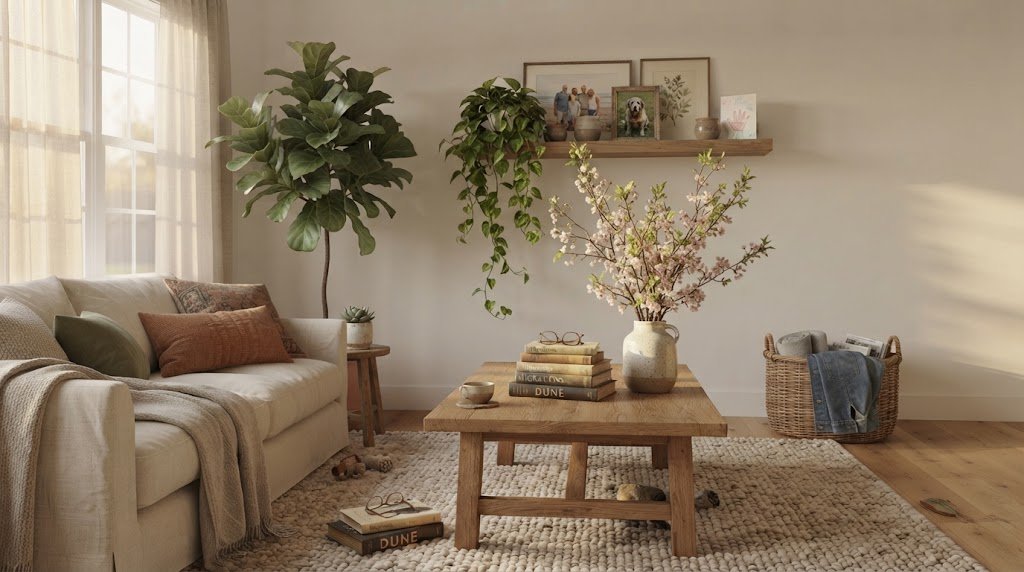
Think warm wood beside a soft fabric sofa. Add a woven basket, a ceramic vase, a textured pillow, or an old-looking picture frame. These small differences give a room depth.
Warm neutrals are especially easy to work with. Cream, oatmeal, beige, warm white, soft brown, muted olive, and earthy terracotta can create a comfortable foundation without making the room feel boring.
You don’t have to repaint the entire house, either. Sometimes changing a few accessories is enough to move a room from cold and unfinished to warm and welcoming.
2. Layer Your Lighting
Good lighting can completely change how a room feels, especially in the evening.
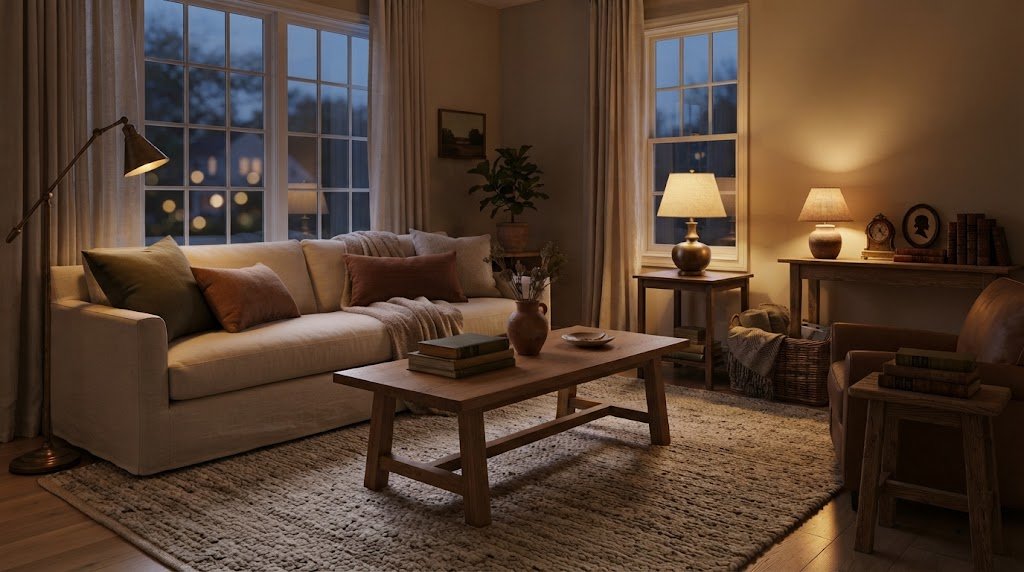
If your living room relies entirely on one bright ceiling fixture, try adding two or three smaller sources of light. A table lamp beside the sofa, a floor lamp in a reading corner, or a small lamp on a console can create a much softer atmosphere.
The goal is to avoid having every part of the room equally bright.
Instead, let some areas glow while others remain slightly darker. This creates depth and makes the room feel more relaxed.
Look for lamps with fabric shades, ceramic bases, natural materials, or interesting shapes. Your lighting doesn’t have to be expensive to become part of the decor.
3. Mix Old and New
A home filled entirely with new furniture can sometimes feel a little predictable.
Try adding something with history.
It could be a vintage mirror, an antique-looking side table, an old wooden bowl, a secondhand painting, or a lamp with a classic shape. You don’t need a house full of antiques. One or two distinctive pieces can make a modern room feel much more personal.
This is also a smart way to decorate on a budget.
Thrift stores, flea markets, estate sales, antique shops, and local resale marketplaces can be great places to find pieces with character. Don’t worry if something isn’t perfect. Small imperfections can actually make a room feel more authentic.
The goal isn’t to make your home look old. It’s to make it look collected over time.
4. Use Textures to Make Neutral Rooms Interesting
Neutral rooms are beautiful, but too many smooth surfaces can make them feel flat.
Texture is the secret.
If you have a cream sofa, for example, add a chunky throw, linen pillows, a woven basket, a wool or jute-style rug, and a wooden coffee table. Suddenly, the same neutral color palette has much more visual interest.
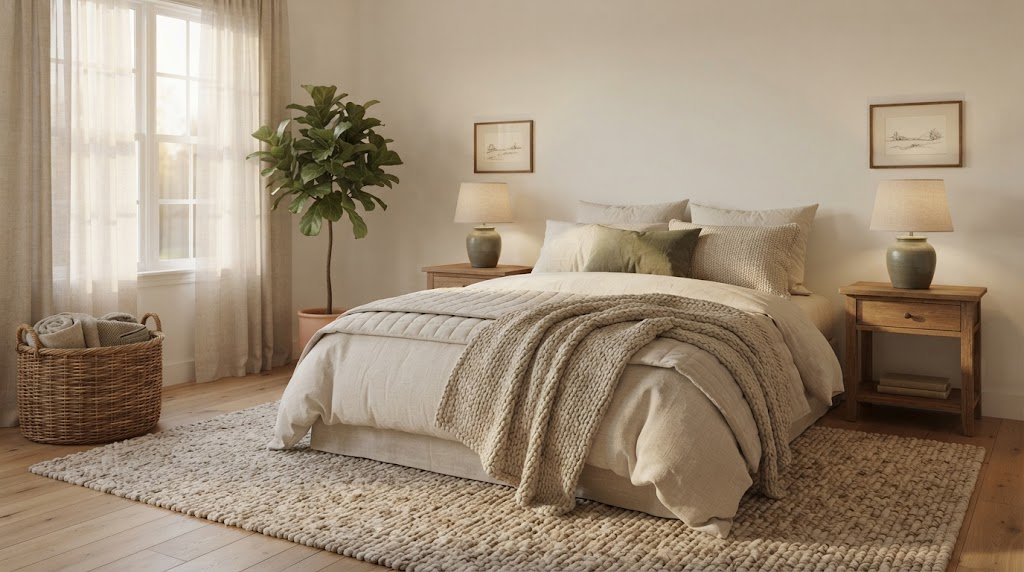
You can also bring texture into bedrooms with layered bedding.
Try combining cotton or linen sheets with a quilt, a soft blanket, and two or three pillows in slightly different materials.
The colors don’t need to be dramatically different. In fact, keeping the colors close together while changing the textures often creates a more sophisticated result.
5. Make Your Coffee Table Look Collected, Not Crowded
The coffee table is a small area, but it can have a surprisingly big effect on the overall room.
Instead of filling it with lots of small decorations, choose a few larger, useful pieces.
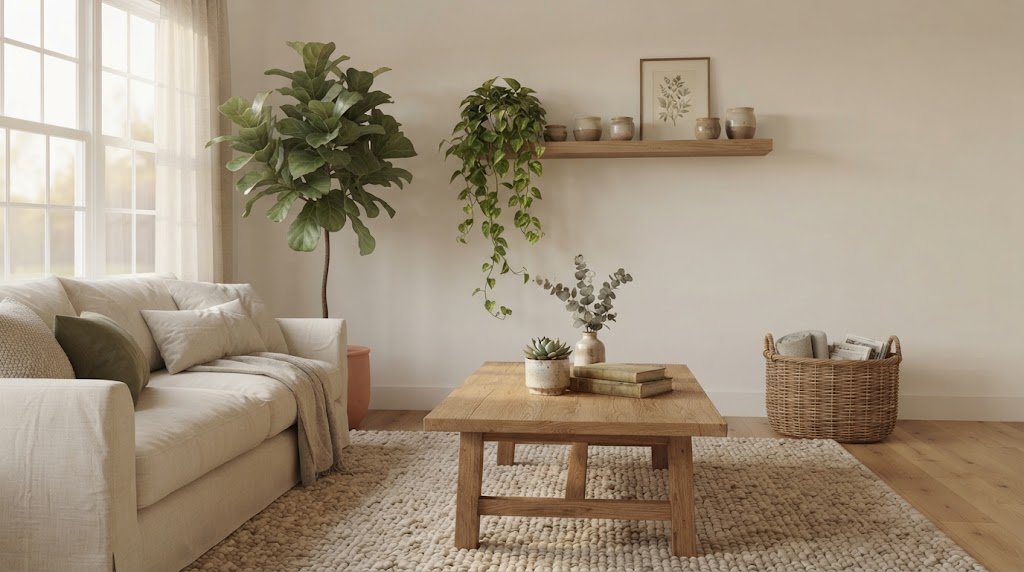
A stack of two or three attractive books can create a simple foundation. Add a ceramic bowl, a small vase, a candle, or a natural object such as a piece of wood or a small arrangement of greenery.
Leave some empty space.
That last part matters.
When every inch of the table is covered, the room can quickly feel cluttered. A little breathing room makes the things you do display look more intentional.
6. Bring Nature Indoors
Plants are one of the easiest ways to add life and color to a home.
You don’t need a huge collection of houseplants. One large plant beside a sofa or near a bright window can become a beautiful focal point.
For smaller spaces, use a pothos on a shelf, a snake plant beside a cabinet, or a small plant on a nightstand.
If keeping plants alive is difficult, start with varieties that match the light and care level available in your home. The right plant in the right location will always look better than a struggling plant placed somewhere simply because it looks good in a photograph.
Natural wood, stone, rattan, wicker, and other organic-looking materials can also help create that connection with nature.
7. Don’t Ignore Your Walls
Empty walls can make an otherwise beautiful room feel unfinished.
But that doesn’t mean every wall needs a large piece of artwork.
Create a simple gallery wall using family photographs, landscapes, botanical prints, vintage-inspired artwork, or pieces collected during your travels.
Another option is one large statement piece above a sofa, bed, console, or dining table.
When choosing wall art, think about the colors already present in the room. Artwork doesn’t have to match perfectly, but repeating one or two existing colors can help everything feel connected.
And remember: art doesn’t have to be expensive to be meaningful.
A photograph you took yourself, a print from a local artist, or a thrifted frame with a beautiful image can have more personality than expensive mass-produced artwork.
8. Give Every Room One “Special” Detail
Here’s a simple decorating trick: give each room one thing that catches your attention.
In a living room, it might be a beautiful vintage chair.
In a bedroom, it could be an interesting headboard or an oversized piece of artwork.
In a dining room, perhaps it’s a sculptural light fixture or a large wooden table.
The important thing is not to make everything a statement.
If every item is competing for attention, nothing feels special.
Choose one focal point and let the surrounding pieces support it.
This approach can also save money because you don’t need to buy dozens of decorative items to make a room interesting.
9. Make Your Home Feel Like You Live There
This may be the most important decorating rule of all.
A home should reflect the people who live in it.
Display a few favorite books. Frame family photographs. Keep a beautiful ceramic piece you picked up on vacation. Use a blanket that has sentimental value. Put fresh flowers or seasonal branches in a vase when you have them.
Your home shouldn’t look like it was copied directly from a catalog.
Current design conversations are increasingly moving toward interiors that feel individual, collected, and personal rather than perfectly copied from a single trend.
That is good news for homeowners because personality is free.
You don’t need a designer budget to create it.
10. Decorate Slowly Instead of Buying Everything at Once
One of the biggest mistakes people make when decorating is trying to finish an entire room in one weekend.
Give yourself time.
Live with the furniture you already have. Move pieces around. Notice where the room feels empty, where you need more light, and where you naturally spend the most time.
Then make changes one at a time.
Maybe the first improvement is a rug. Later, you add better lighting. A few weeks afterward, you find the perfect piece of artwork at a local shop.
This slower approach can actually create a more interesting home because your space develops naturally.
You’re not simply filling empty corners. You’re choosing things because they work for your life.
A Beautiful Home Doesn’t Have to Be Expensive
The most memorable homes aren’t necessarily the ones with the biggest budgets.
They are the ones where the lighting feels comfortable, the furniture is useful, the textures invite you to sit down, and the decorations tell a story.
Start with what you already own.
Move your furniture. Add a warmer lamp. Bring in a plant. Replace a few overly matched accessories with pieces that have character. Layer a couple of different textures. Hang something meaningful on an empty wall.
You may be surprised by how different your home feels without buying a whole new room.
And if you do decide to shop, buy slowly. Choose pieces you genuinely love rather than decorating simply because something is trending.
After all, the best home decor isn’t the decor that impresses someone for five minutes.
It’s the kind that makes you happy when you walk through the front door.