
There’s something special about walking into a home and seeing healthy green leaves catching the morning light.
A few well-placed indoor plants can make a room feel softer, warmer, and more alive. They can fill an empty corner, brighten a shelf, or bring a little bit of the outdoors into a home during the colder months.
But if you’ve ever bought a beautiful houseplant only to watch its leaves turn yellow a few weeks later, you already know that keeping indoor plants healthy isn’t always as easy as it looks.
The good news is that most houseplant problems come down to a handful of basic things: light, water, temperature, humidity, and choosing the right plant for the right spot.
Once you understand those basics, indoor plant care becomes much less intimidating.
Here are some simple ways to create an indoor garden that actually works in a real American home.
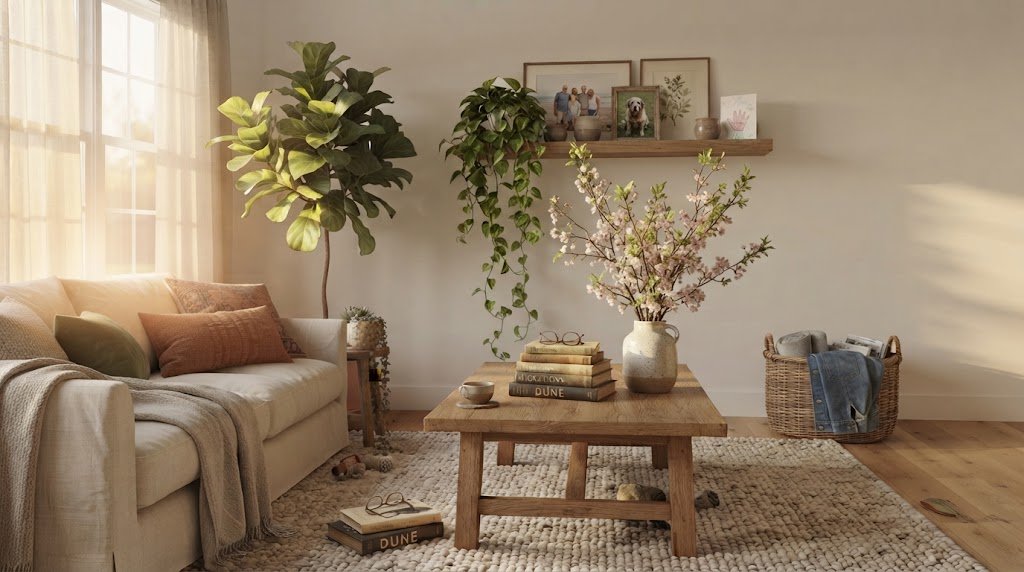
1. Choose the Plant for Your Home, Not Just for Its Appearance
This is one of the biggest mistakes beginners make.
You see a gorgeous plant at a garden center or local nursery and immediately imagine it in your living room. But before buying it, stop and think about where it will actually live.
Does that room receive bright sunlight, indirect light, or very little natural light?
A sunny south-facing window can be very different from a darker hallway or north-facing room. Some plants love bright conditions, while others are much happier with indirect or lower light.
Snake plants, pothos, and some other common houseplants are known for tolerating a range of indoor light conditions.
Instead of asking, “Which plant looks best?” ask:
“Which plant will be happiest in this particular spot?”
That one change in thinking can save you a lot of frustration.
2. Learn to Read the Light in Your Room
You don’t need expensive equipment to start understanding indoor light.
Spend a few minutes watching how sunlight moves through your home during the day.
A room that looks bright at 9 a.m. may be surprisingly dark by afternoon. Likewise, a plant sitting several feet away from a window may receive much less usable light than you expect.
If you have a low-light room, don’t automatically assume that no plants will grow there. Several houseplants can tolerate lower light, although growth may be slower.
Snake plants are particularly useful for darker areas because they tolerate a wide range of light conditions.
For homes with very little natural light, a properly chosen grow light can also help. University of Minnesota Extension notes that balanced or white grow lights are suitable for most plants, while supplemental lighting can be used when natural light is limited.
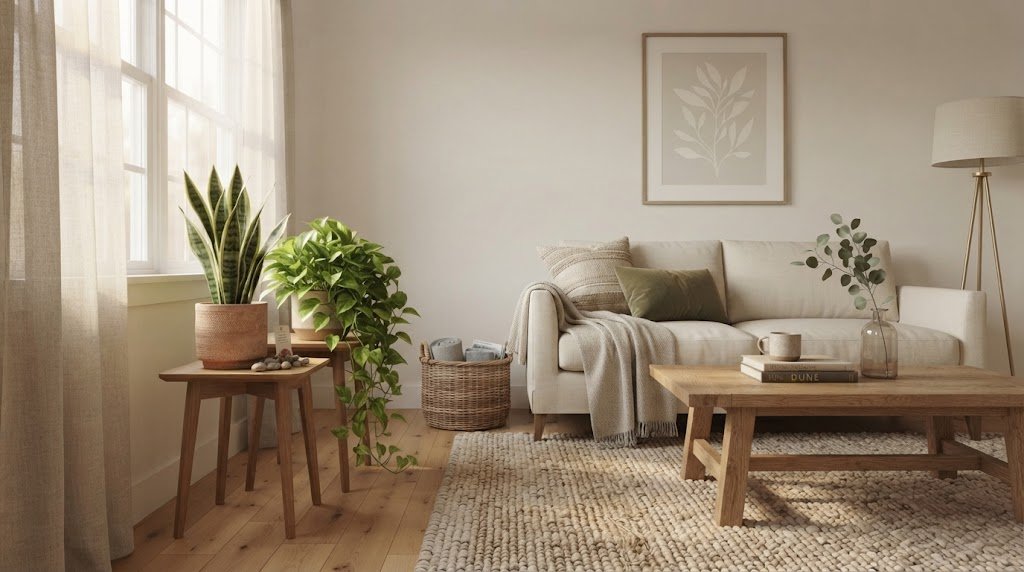
3. Stop Watering on a Calendar
“Water every Sunday” sounds simple, but it isn’t always good plant care.
Indoor plants don’t necessarily need water because it happens to be the same day every week.
The soil, plant type, pot size, drainage, season, temperature, and available light can all affect how quickly moisture disappears.
A better habit is to check the soil before watering.
If the upper layer is still damp, your plant may not need another drink yet. If the soil has dried to the level appropriate for that particular plant, it may be time to water.
Overwatering is one of the easiest mistakes to make because people often assume that more water means a healthier plant.
It doesn’t.
Roots need both moisture and oxygen. Constantly saturated soil can create problems, especially when drainage is poor.
Penn State Extension also cautions against frequent, shallow watering and emphasizes adjusting watering according to plant and environmental conditions.
4. Make Sure Your Pot Can Drain
A beautiful container is great.
A beautiful container with no drainage can become a problem.
Whenever possible, choose a pot with drainage holes and use a saucer or tray underneath to protect your furniture and floors.
Decorative baskets and outer pots can still be used. Simply keep the plant in a suitable nursery pot inside the decorative container.
This gives you the best of both worlds: attractive styling and better control over excess water.
And when you water, don’t leave the plant sitting in a pool of water for long periods.
5. Pay Attention to Winter Air
Indoor plants can have a surprisingly difficult time during winter.
When the heating system is running regularly, the air inside many homes becomes much drier. Some tropical houseplants are especially sensitive to these changes.
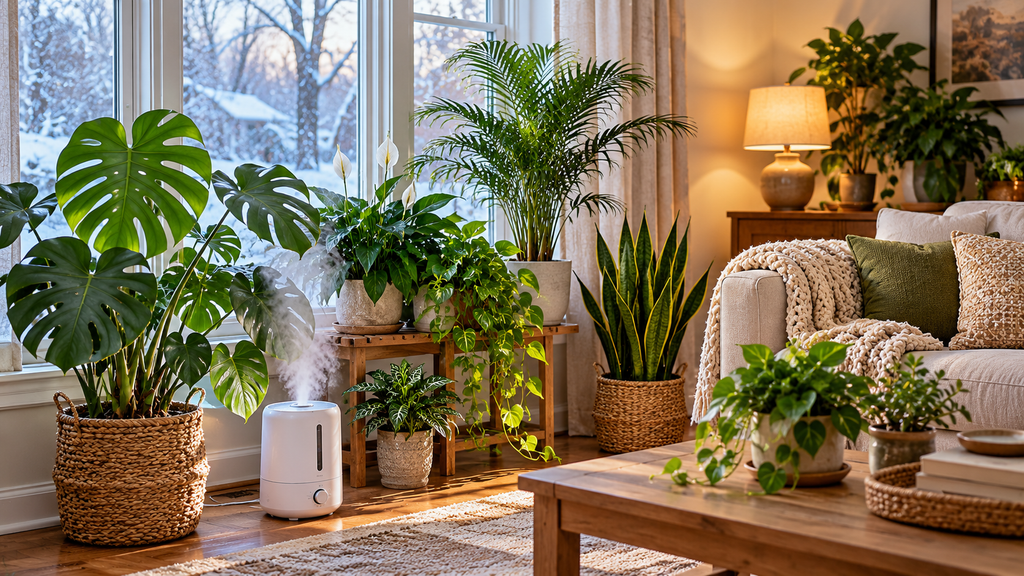
Penn State Extension notes that winter heating can push indoor humidity below levels that many houseplants prefer. Grouping plants together, using a humidifier, and keeping plants away from drafts and heat sources can help.
This doesn’t mean you need to turn your home into a tropical greenhouse.
Sometimes moving a plant away from a heating vent or grouping several plants together is a simple improvement.
A small humidifier can also be useful if your home becomes particularly dry during winter.
6. Give Your Plants a Little Space From Heat and Drafts
A sunny window can be perfect for some plants, but the location immediately beside a heating vent, fireplace, or cold draft may be less comfortable.
Before placing a plant in a beautiful spot, look around the room.
Is it directly above a radiator?
Does an air-conditioning vent blow onto it?
Does a door open frequently beside it during winter?
Does cold air come through an older window?
Plants experience their environment continuously, so these small details can matter.
If a plant keeps developing crispy edges or looks stressed despite reasonable watering, its location may be worth reconsidering.
7. Don’t Repot Every Plant Immediately
Buying a new plant can make you want to give it a beautiful new pot right away.
Sometimes that’s fine.
But there is no need to automatically repot every plant the moment you bring it home.
Give the plant some time to adjust to its new environment first. Moving from a nursery or garden center into a home already changes its light, temperature, humidity, and watering conditions.
If roots are coming through drainage holes, the soil dries unusually fast, or the plant has clearly outgrown its container, then repotting may make sense.
Otherwise, patience is often better.
8. Clean the Leaves Occasionally
Houseplant leaves collect dust just like furniture does.
A layer of dust can make leaves look dull and may reduce the amount of light reaching the leaf surface.
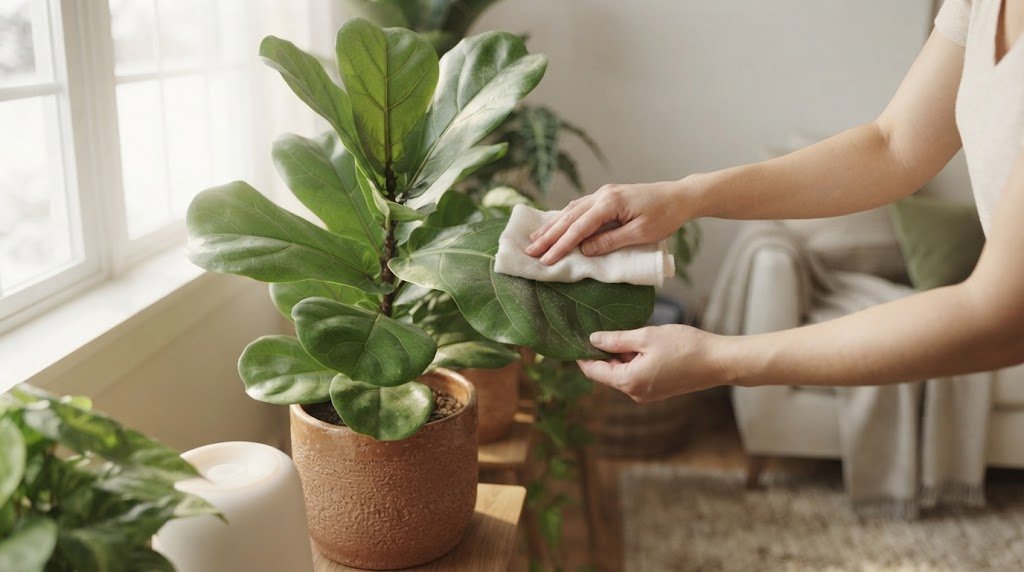
For many broad-leaved plants, gently wiping the leaves with a clean, damp cloth can be a simple part of your routine.
It also gives you an opportunity to inspect the plant closely.
Look underneath leaves and around stems for unusual spots, webbing, sticky residue, or small insects.
Catching a pest problem early is much easier than discovering it after it has spread throughout your indoor plant collection.
9. Pick Easy Plants If You’re New to Houseplants
You don’t need to start with a rare plant that requires constant attention.
In fact, beginners often have a better experience starting with forgiving varieties.
Snake Plant
Snake plants are popular because they can tolerate a wide range of light conditions and generally don’t need frequent watering.
They also have an upright shape that works beautifully in corners, entryways, bedrooms, and living rooms.
Pothos
Pothos is another flexible choice for indoor spaces. Its trailing growth makes it especially attractive on bookshelves, cabinets, and hanging planters.
Spider Plant
Spider plants are another beginner-friendly option and can be especially fun because mature plants can produce small plantlets.
Aloe
If you have a sunny window, aloe can be a good low-maintenance choice. Like other succulents, aloe stores water in its leaves and is adapted to relatively dry conditions.
The key is still the same: choose the plant based on the conditions you actually have.
10. Give Your Indoor Garden a Seasonal Reset
Your plants don’t live in the same conditions all year.
During spring and summer, longer days can provide more natural light and encourage new growth. As fall and winter arrive, indoor light levels can change and many plants slow down.
University of Minnesota Extension recommends gradually adjusting plants to brighter conditions rather than suddenly exposing them to strong sunlight after a lower-light period.
Fall is also a good time to inspect plants before moving any outdoor houseplants back inside.
Check carefully for insects or disease before bringing them near your established indoor plants. Penn State Extension recommends isolating returning plants for several weeks so hidden pests can be detected before they spread.
For many houseplants, winter also means less water because growth slows and indoor light levels decrease. Instead of following your summer watering routine, check the soil and adjust accordingly.
Create an Indoor Plant Collection That Fits Your Life
You don’t need twenty plants to create a beautiful indoor garden.
Start with one.
Find a spot with suitable light, choose a plant that matches the conditions, and spend a few minutes each week checking its soil and leaves.
Once you become comfortable with one plant, adding another becomes much easier.
And don’t be discouraged if a plant doesn’t work out. Indoor gardening is partly about learning what your home can provide.
Maybe your living room is perfect for a pothos but too dark for a sun-loving succulent. Maybe your bathroom has enough humidity for a fern, while your sunny kitchen window is better suited to aloe.
There is no single perfect indoor plant for every American home.
The real secret is finding the right plant for the right room.
When you do that, plant care becomes less about constantly trying to save struggling plants—and more about enjoying the little bit of nature you’ve brought indoors.