
There is a unique joy in transforming a house into a home, especially when your living spaces reflect your personal style, comfort, and rhythm of life. Home decor trends across the United States have shifted heavily toward spaces that feel grounded, multi-functional, and deeply welcoming. Whether you just moved into a suburban home, a city apartment, or you simply feel like your interior needs a seasonal reset, refreshing your decor does not require a massive budget or a complete architectural overhaul.
Creating a harmonious environment is about striking the right balance between aesthetics and everyday utility. Let’s explore practical, human-centered decor strategies that will elevate your American home while keeping it cozy, organized, and effortlessly stylish.
- Embracing a Warm Neutral Palette with Layered Textures The foundation of any inviting room begins with its color palette and the textures built upon it. While crisp, stark whites have dominated modern interiors for years, contemporary American home decor has embraced warmer, earthier neutrals like soft terracotta, warm beige, muted olives, and creamy ivories.
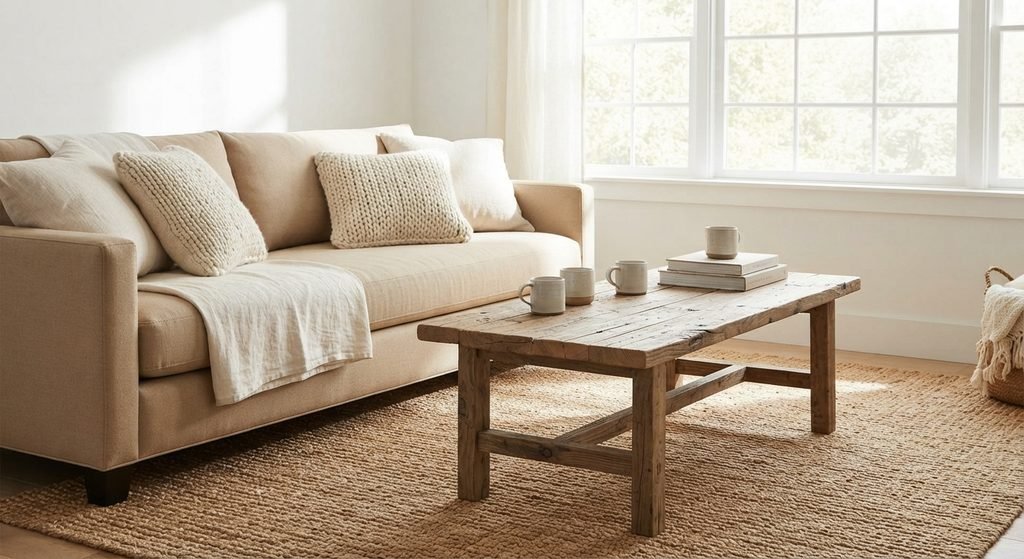
- The Power of Texture: When your color palette leans neutral, texture becomes your best friend. Combine materials like chunky knit throw blankets, linen cushion covers, jute or wool area rugs, and raw wood accents.
- Creating Depth: Layering different textiles prevents a room from looking flat or sterile. A leather armchair paired with a textured wool rug and woven baskets instantly introduces warmth and human character.
- Bringing the Outdoors In with Biophilic Elements One of the most timeless ways to liven up an interior is by incorporating living plants and natural organic elements. Biophilic design—the practice of connecting indoor spaces with nature—has proven benefits for mental well-being and air quality.
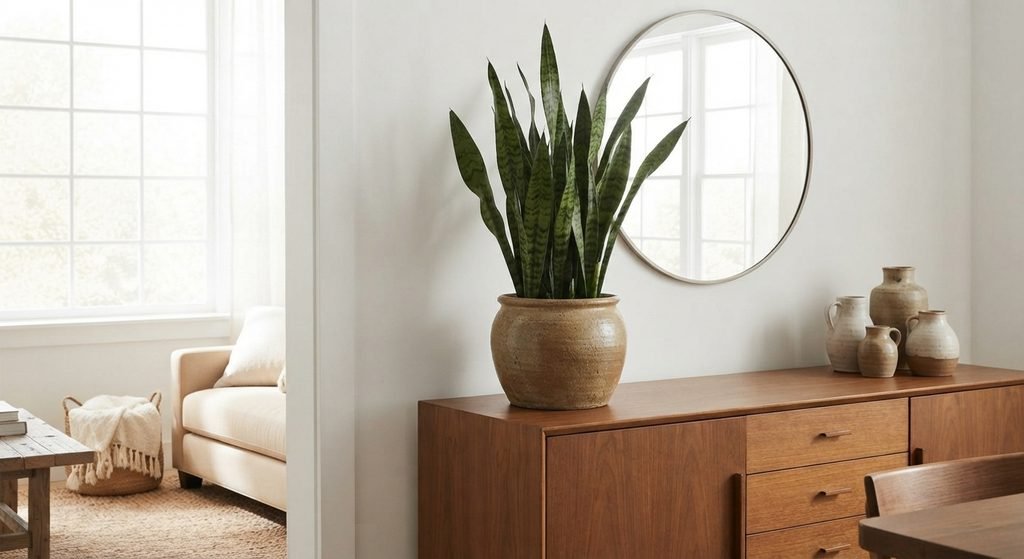
- Strategic Plant Placement: Instead of crowding every windowsill, choose a few statement plants. A tall fiddle-leaf fig or a snake plant in a ceramic pot can anchor an empty corner, while trailing pothos or cascading ivy looks stunning on bookshelf tops.
- Natural Materials: Incorporate furniture or decor items made from rattan, reclaimed wood, or stone. These materials age gracefully and bring an organic, earthy feel that counters the digital clutter of modern daily life.
- Maximizing Function and Style in Small Spaces Modern American living often involves making the most of compact footprints, whether it is a cozy urban studio or a suburban nook used as a home office. Good decor should always solve problems rather than create clutter.
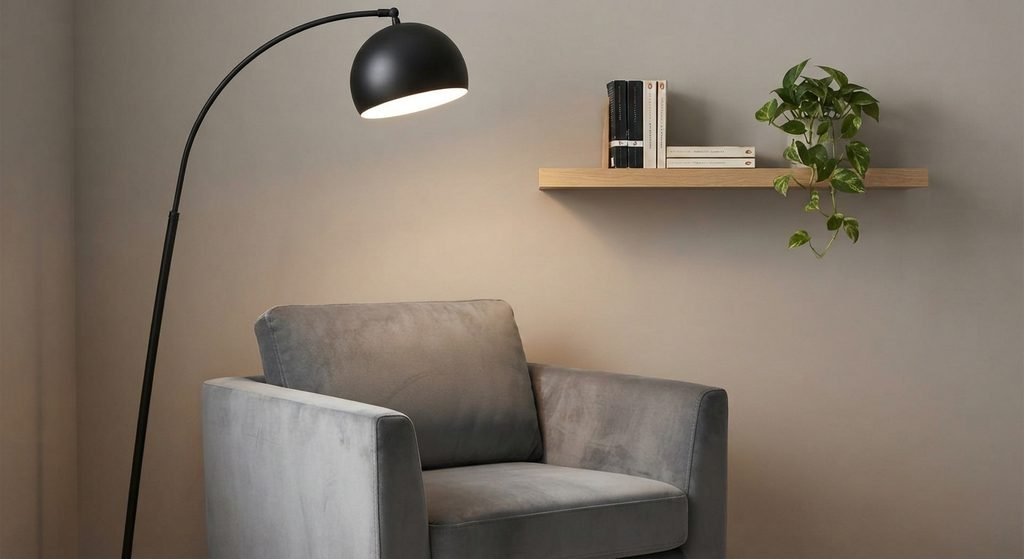
- Multi-Functional Furniture: Look for coffee tables with hidden storage, storage ottomans that double as extra seating, or nesting tables that can be tucked away when not in use.
- Vertical Space Utilization: Do not let your walls go to waste. Floating shelves, tall bookcases, and wall-mounted art draw the eye upward, making small rooms feel larger while providing designated spots for treasured decor pieces, books, and framed family memories.
- Crafting an Intentional Lighting Scheme Overhead lighting alone can make a room feel clinical and harsh. A truly cozy American living room relies on a layered lighting approach that shifts seamlessly from bright daytime productivity to warm evening relaxation.
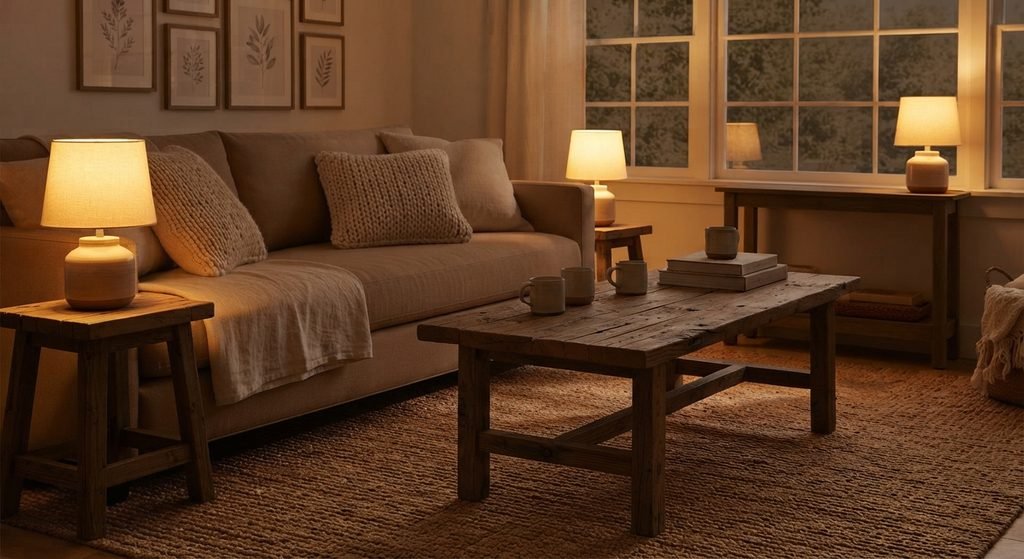
- The Three-Layer Rule: Combine ambient lighting (overhead fixtures), task lighting (reading lamps or desk lights), and accent lighting (warm table lamps or wall sconces).
- Warm Bulbs: Swap out cool-toned white bulbs for warm-toned LEDs (around 2700K). The difference in atmosphere is immediate, casting a golden, welcoming glow that softens furniture edges and makes guests feel instantly at home.
Conclusion
Home decor is an ongoing, personal evolution rather than a rigid destination. By focusing on tactile textures, natural greenery, smart space management, and thoughtful lighting, you can create a sanctuary that feels genuinely lived-in and loved. Take your time curating pieces that tell your story, and remember that the most beautiful homes are the ones shaped by the people who inhabit them.