
There is an undeniable shift happening inside American homes. Step into a modern apartment in Chicago, a suburban split-level in Ohio, or a coastal bungalow in California, and you will notice that houseplants are no longer just decorative accents—they are living roommates. Indoor gardening has exploded in popularity, offering a direct antidote to our fast-paced, screen-heavy digital lives. Bringing greenery indoors cleans the air, boosts mental health, and adds a warm, textured aesthetic to any room.
If you have ever killed a houseplant, you are in good company. We have all bought a finicky fern or a dramatic fiddle-leaf fig, watched it drop leaves in protest, and wondered what we did wrong. The secret to a thriving indoor jungle isn’t a magical green thumb; it is matching the right plant to your home’s unique environment. This comprehensive guide explores the best, hard-to-kill indoor plants tailored for American households, along with proven strategies to keep them flourishing year-round.
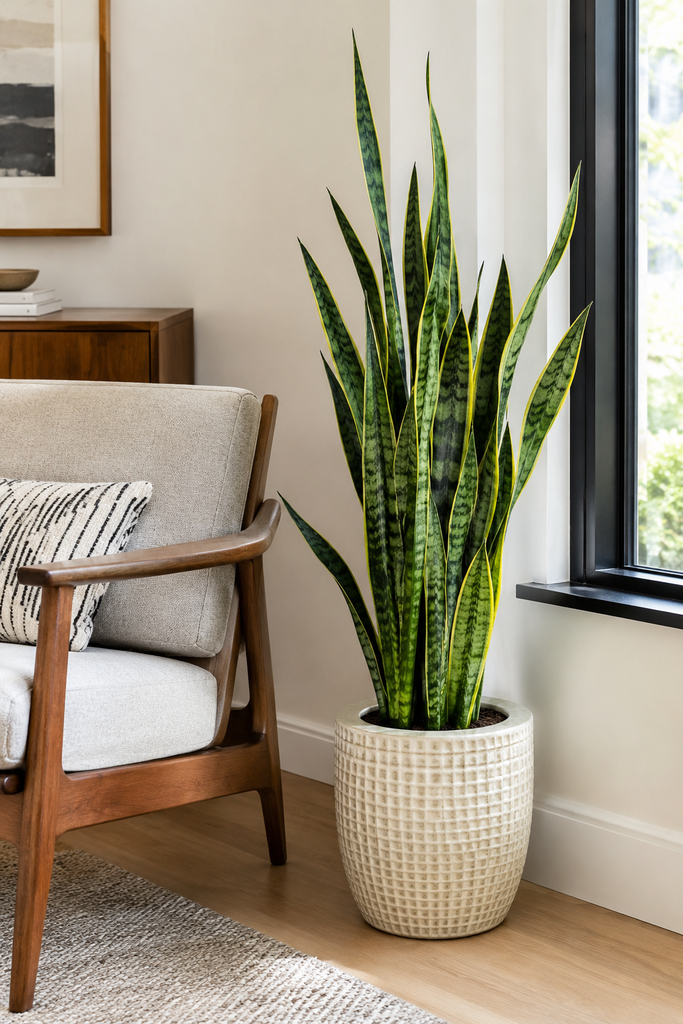
1. Snake Plant (Sansevieria / Dracaena trifasciata)
Ask any seasoned plant collector for an indestructible recommendation, and they will point you straight toward the Snake Plant. Sporting stiff, upright sword-like leaves with striking variegation, this West African native fits seamlessly into modern and minimalist interior designs.
- Why It Works: Snake plants are the ultimate survivors of benign neglect. They store water in their thick leaves, meaning they can easily go weeks without a drink. They also tolerate the dry indoor air typical of American homes during heavy winter heating seasons.
- Light and Placement: While they adapt well to low-lit corners, they truly thrive in medium to bright indirect sunlight. Place one in a bedroom to enjoy its unique characteristic of releasing oxygen at night.
- Watering Rule: Allow the soil to dry out completely between waterings. When in doubt, under-water rather than over-water; soggy roots are their only real enemy.
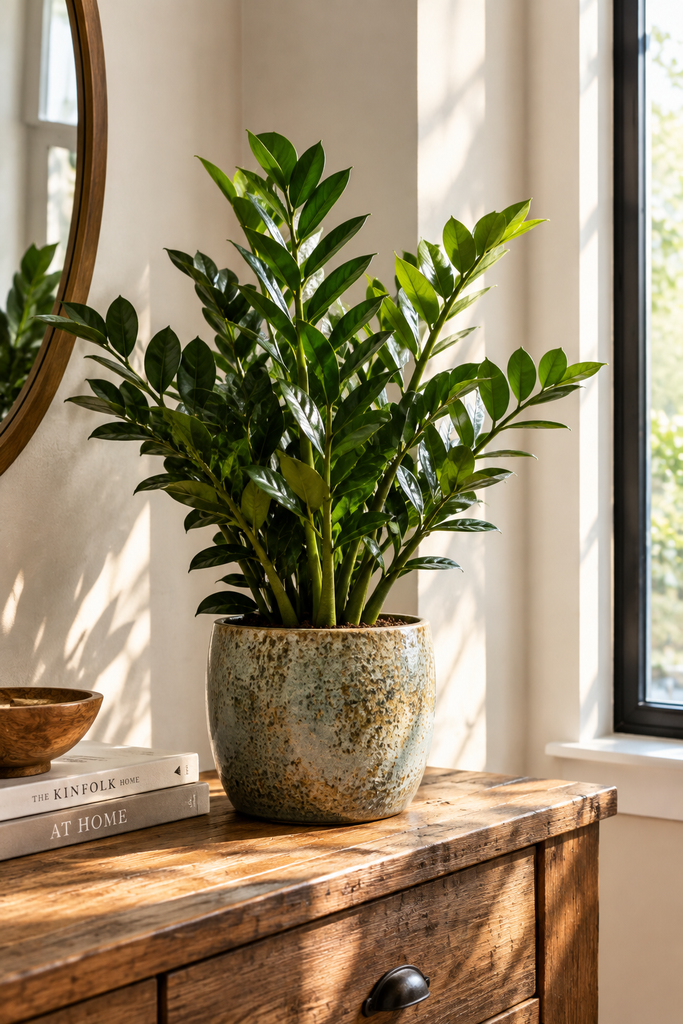
2. ZZ Plant (Zamioculcas zamiifolia)
If you live in a space with minimal natural window light—like a downtown studio apartment or a north-facing office—the ZZ plant is your best friend. Featuring glossy, waxy emerald leaves that look almost artificial, this plant brings an instant touch of lush elegance to dull spaces.
- Why It Works: Equipped with large underground potato-like rhizomes, the ZZ plant stores its own water reserves. It laughs off erratic watering schedules, low humidity, and fluorescent office lighting.
- Light and Placement: It handles low light exceptionally well, making it a stellar choice for dark hallways, windowless bathrooms, or shady living room corners.
- Watering Rule: Water thoroughly only once the soil is completely dry down to the bottom of the pot—typically every three to four weeks indoors.
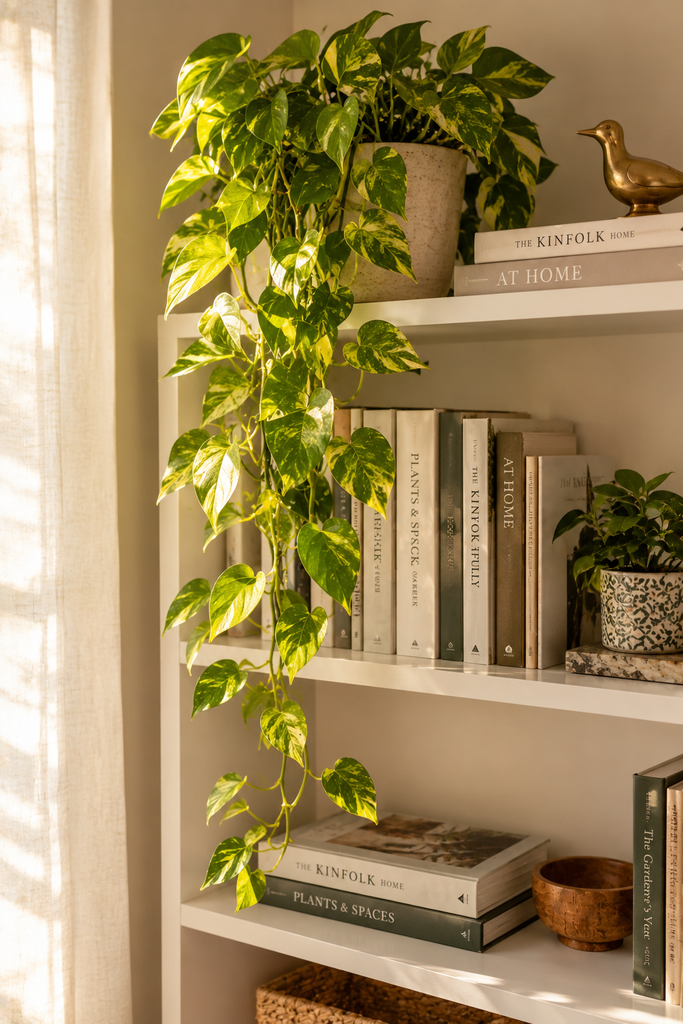
3. Pothos (Epipremnum aureum)
Often called the “devil’s ivy” because it is nearly impossible to kill, the Pothos is a cascading vine that looks stunning trailing down from a bookshelf, kitchen cabinet, or hanging macramé planter. With heart-shaped leaves splashed in neon green, cream, or deep marble patterns, it adds effortless movement to your decor.
- Why It Works: Pothos grows rapidly and propagates with absolute ease. If a vine gets too long, you can simply snip a stem, place it in a glass of water, and watch new roots sprout within a week.
- Light and Placement: They adapt to almost any indoor lighting condition, though variegated varieties prefer moderate indirect light to keep their bright patterns sharp.
- Watering Rule: Let the top two inches of soil dry out before watering. If you forget and the leaves droop slightly, they will usually bounce right back within hours of a good soak.
4. Mastering Indoor Plant Care Essentials
Owning houseplants successfully comes down to understanding three foundational pillars: soil, light, and humidity.
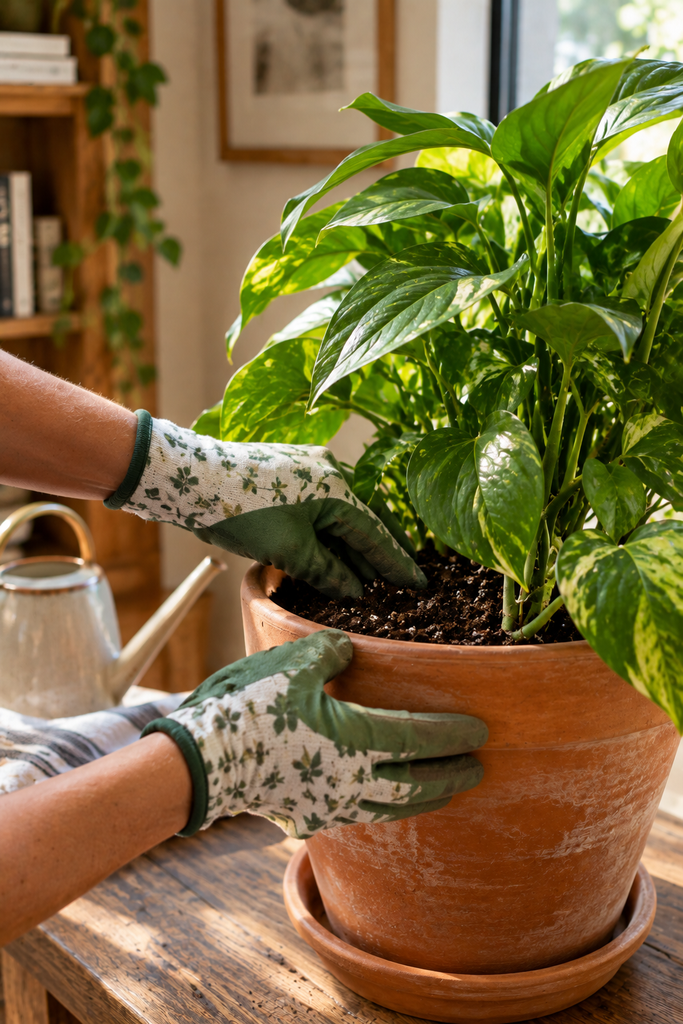
- Choosing the Right Pot: Always ensure your indoor containers have drainage holes at the bottom. A pot without drainage is a trap that causes root rot. Pair your plastic nursery pots with stylish ceramic or terracotta cachepots for easy watering days.
- The Soil Factor: Never dig up dirt from your outdoor garden bed and bring it inside. Outdoor soil becomes compacted in containers and often harbors fungus gnat larvae. Always use a loose, well-draining indoor potting mix formulated with perlite or orchid bark.
- Seasonal Adjustments: Remember that plants grow actively during the long, sunny days of spring and summer, requiring more frequent water and occasional organic fertilizer. In contrast, they go semi-dormant during the short winter days, meaning you should pull back significantly on water and fertilizer.
Conclusion
Transforming your living space into a green sanctuary is a deeply rewarding journey. By starting with resilient varieties like the Snake Plant, ZZ Plant, or Pothos, you build confidence without the heartbreak of high-maintenance casualties. Lean into the process, observe how your plants react to the changing light in your rooms, and enjoy the calming presence of nature right inside your living room.
Stay tuned to our Indoor Plants category for upcoming deep dives into safe pet-friendly flora, natural pest solutions for fungus gnats, and propagation masterclasses. Happy indoor planting!