
There is something deeply satisfying about stepping outside into your own backyard and harvesting fresh, homegrown produce or tending to vibrant, blooming flowers. Gardening has seen a massive resurgence across the United States, with homeowners increasingly turning to their outdoor spaces for relaxation, sustainability, and curb appeal. Welcome to our dedicated Gardening Tips section! Whether you are a complete beginner holding a trowel for the first time or looking to sharpen your green thumb, this guide is designed to help you cultivate a healthy, flourishing garden tailored to American climate zones.
Successful gardening isn’t just about throwing seeds into the dirt and hoping for the best. It requires understanding your local environment, soil health, and proper plant care. Let’s dive into the core steps you need to take to transform your patch of earth into a stunning outdoor sanctuary.
1. Understanding Your USDA Hardiness Zone and Microclimate
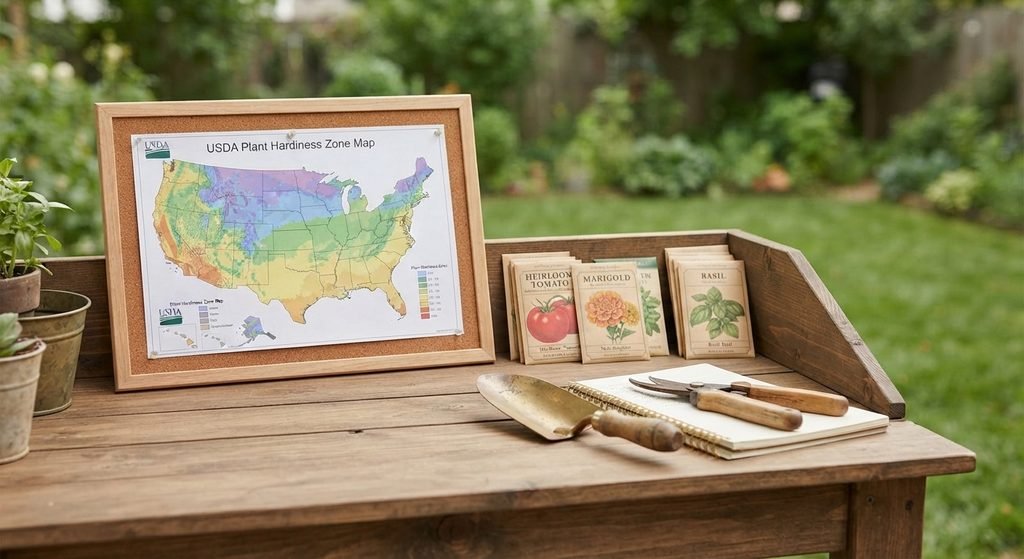
Before buying a single seed packet or shrub, you need to know where your garden stands geographically and climatically. The United States Department of Agriculture (USDA) Plant Hardiness Zone Map is the standard by which gardeners determine which perennial plants are most likely to thrive in their location.
- Why It Matters: Planting a perennial meant for Zone 9 in a Zone 4 winter wonderland means it likely won’t survive the freeze. Knowing your zone ensures you choose plants adapted to your local winter lows and summer highs.
- Actionable Tip: Look up your specific ZIP code on the official USDA zone map. Beyond the broader zone, pay attention to your yard’s microclimate—where do you get full sun, and where does deep shade linger? Matching your plants to these specific light conditions is half the battle won.
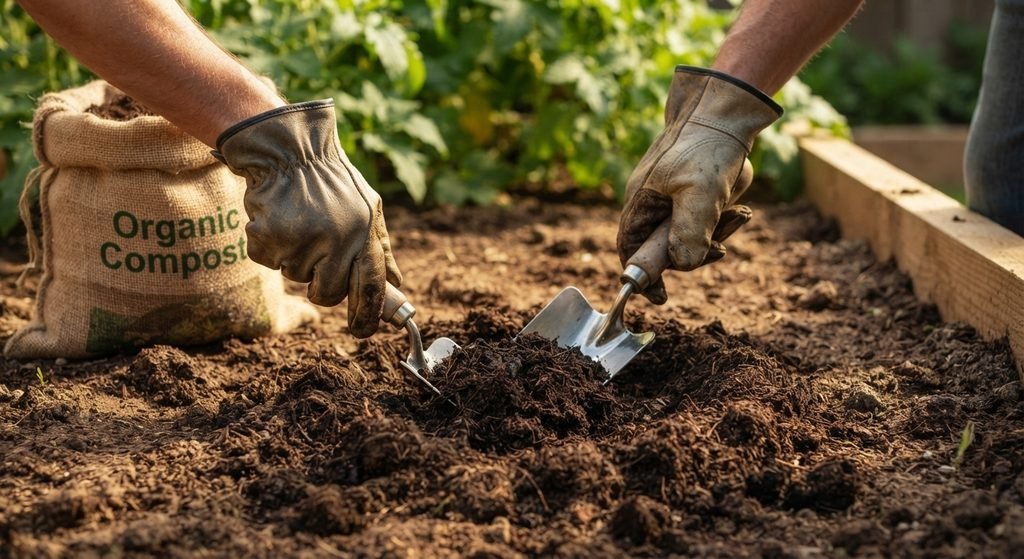
Healthy plants start below the surface. Many American suburban soils suffer from compaction, nutrient depletion, or poor drainage due to construction history. If your soil resembles concrete, your plants will struggle to extend their roots.
- The DIY Soil Check: Grab a handful of slightly damp soil and squeeze it. If it forms a rigid ball that doesn’t break apart when poked, you have heavy clay. If it crumbles instantly and won’t hold shape, it’s too sandy. Ideally, you want loamy soil that holds some structure but crumbles easily.
- Amending the Earth: Mix in a generous two-to-three-inch layer of organic compost, aged manure, or leaf mold. Compost introduces essential microbes and macronutrients while balancing soil texture, meaning better drainage for clay and better moisture retention for sand.
3. Smart Watering and Irrigation Strategies
Overwatering is the number one killer of home garden plants, often outstripping pests and diseases. Many gardeners make the mistake of giving plants a light sprinkle every day, which only encourages shallow root systems that dry out quickly under the scorching summer sun.
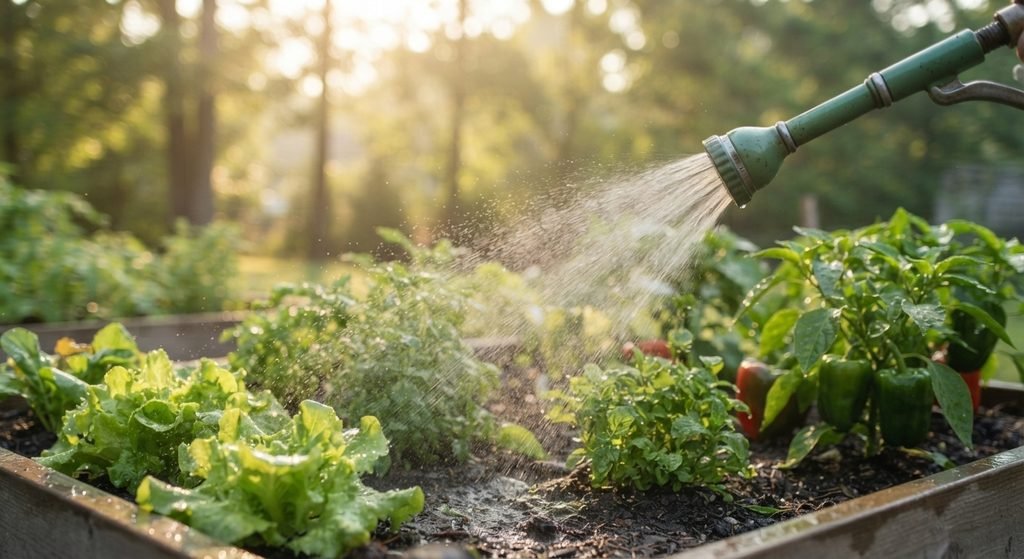
- Deep, Infrequent Watering: Water your garden deeply but less frequently. This forces roots to dive deeper into the soil searching for moisture, creating drought-resistant plants.
- Timing Is Everything: Always water your garden in the early morning hours. Morning watering gives foliage time to dry off before nightfall, significantly reducing the risk of fungal diseases like powdery mildew. Avoid midday watering, as much of the water evaporates before reaching the roots.
4. Companion Planting and Natural Pest Control
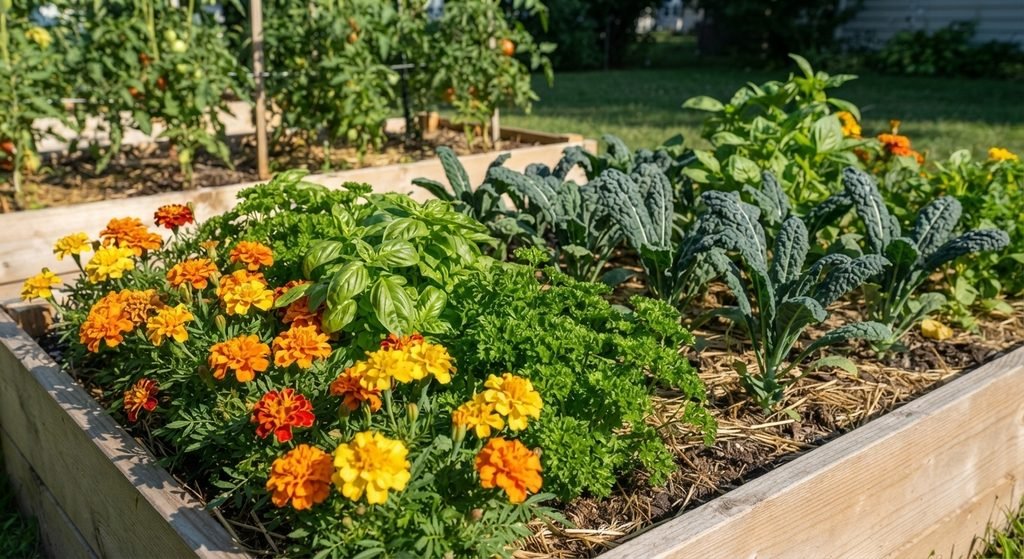
Instead of relying on harsh chemical pesticides that can harm beneficial insects like bees and butterflies, work with nature by using companion planting. Certain plants naturally repel pests or attract beneficial predators.
- Classic Combinations: Planting marigolds alongside your tomatoes or vegetables acts as a natural deterrent for nematodes and common garden pests due to their distinct scent. Basil planted near tomatoes is another classic pairing that reportedly enhances flavor and keeps certain bugs at bay.
- Encouraging Pollinators: Dedicate a small corner of your landscape to native flowering perennials like coneflowers or black-eyed Susans. A healthy population of pollinators ensures your vegetable crops set fruit successfully.
Conclusion
Gardening is a rewarding journey of patience, observation, and continuous learning. By understanding your local climate zone, investing time into building rich soil, watering wisely, and welcoming beneficial insects, you will lay a rock-solid foundation for a bountiful harvest and a breathtaking landscape. Don’t be afraid to experiment and make mistakes along the way—every seasoned gardener has lost a few plants in their time!
Stay tuned to our Gardening Tips category for upcoming seasonal checklists, container gardening guides for small spaces, and expert advice on organic weed control. Happy planting, and may your garden grow greener every single day!