
There is something about walking into a home with healthy green plants that instantly makes the space feel more welcoming.
You don’t need a huge sunroom, expensive planters, or a house full of gardening equipment to get that feeling. A single plant on a kitchen counter can soften a room, while a tall leafy plant can completely change an empty corner.
The trick is choosing a plant that actually fits your home.
Before buying a houseplant, think about how much natural light you have, how often you realistically want to water, whether you have pets, and where the plant will live. Light is especially important because indoor spaces can be much darker than they appear to our eyes. Most houseplants grow best when their light requirements match the conditions in the room.
Here are some of the best indoor plants to consider, along with simple ways to keep them looking good long after you bring them home.
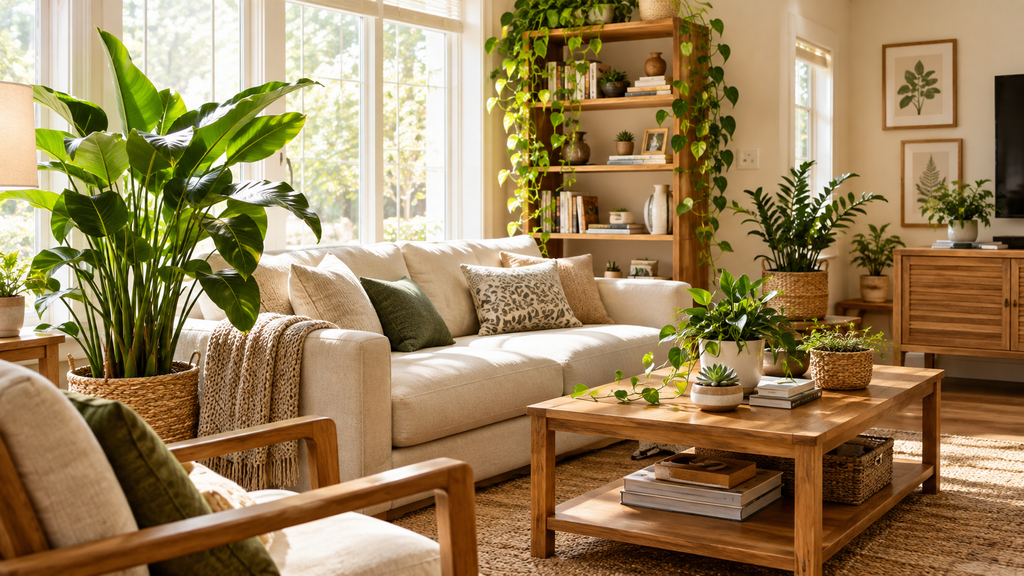
Pothos is one of those plants that seems to work almost anywhere.
Its heart-shaped leaves and trailing growth make it especially attractive on bookshelves, kitchen counters, plant stands, and hanging planters. It can tolerate lower-light conditions better than many houseplants, although brighter indirect light generally produces stronger, fuller growth.
For beginners, pothos is appealing because it doesn’t demand constant attention. Let the soil dry somewhat between waterings rather than automatically watering it on a fixed weekly schedule.
One important note for households with pets: pothos is listed by the ASPCA among plants that can cause irritation if chewed or swallowed by dogs or cats.
2. Snake Plant: Great for Busy Homes
If you occasionally forget about your plants, a snake plant may be worth considering.
Its tall, architectural leaves give it a clean, modern look, making it a natural fit for bedrooms, entryways, offices, and living rooms.
Snake plants generally prefer well-draining soil and don’t appreciate sitting in constantly wet soil. In fact, overwatering is one of the easiest ways to cause problems with indoor plants.
Choose a pot with a drainage hole, and check the soil before watering.
Keep in mind that snake plants are not considered pet-safe, so households with curious cats or dogs should place them somewhere inaccessible.
3. Spider Plant: A Classic That Still Works
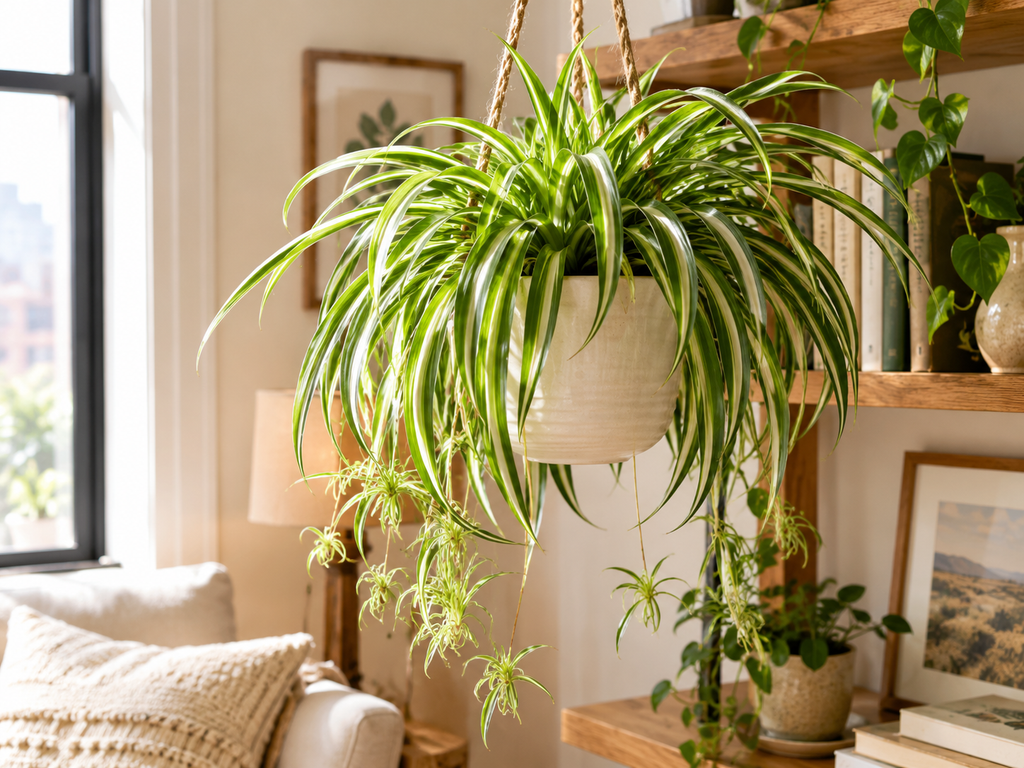
Spider plants have remained popular for good reason.
Their long, arching leaves look beautiful in hanging baskets, and mature plants often produce little plantlets that can eventually be separated and grown on their own.
They are also included on the ASPCA’s list of pet-friendly plants, making them a useful choice for homes where cats and dogs share the space.
Give a spider plant bright, indirect light when possible, and avoid keeping its soil permanently soggy.
4. ZZ Plant: A Low-Maintenance Option
The ZZ plant has glossy, deep-green foliage and a naturally tidy shape.
It is particularly useful for people who want greenery without creating a complicated care routine. It can handle lower-light locations, although low light doesn’t mean complete darkness.
Try placing it in a room with some natural or suitable artificial light rather than a windowless closet or dark corner.
Water only when the growing medium has had time to dry. Like many drought-tolerant houseplants, it is generally more forgiving of occasional dryness than consistently wet roots.
5. Peace Lily: Elegant and Lush
Peace lilies bring a softer, more tropical appearance to an indoor space.
Their dark green foliage and white flowers can look beautiful in living rooms, bathrooms, and bedrooms with suitable light.
They do appreciate consistent moisture, but that doesn’t mean keeping the pot saturated. Check the soil regularly and water when appropriate for the plant and room conditions.
Peace lilies are another plant that should be kept away from pets because ASPCA lists them among plants containing insoluble calcium oxalates that can cause irritation if chewed.
6. Rubber Plant: Make a Bigger Statement
If you want one plant to become a focal point, consider a rubber plant.
Its large glossy leaves have a polished, almost architectural appearance. A mature rubber plant can fill an empty corner beautifully without requiring lots of decorative accessories around it.
Rubber plants generally prefer bright, indirect light. Avoid placing them where intense direct sunlight can scorch their foliage.
They also benefit from letting the upper portion of the soil dry between waterings rather than keeping the roots constantly wet.
7. Heartleaf Philodendron: Perfect for Shelves
The heartleaf philodendron is another attractive trailing plant for indoor spaces.
Its vines can spill naturally over a shelf or climb around a support, giving a room a relaxed, collected appearance.
Bright indirect light is a good starting point, but it can tolerate lower light than some more demanding houseplants.
As with pothos, however, pet owners should know that philodendrons are listed by ASPCA as potentially irritating if eaten.
8. Fiddle-Leaf Fig: For a Dramatic Look
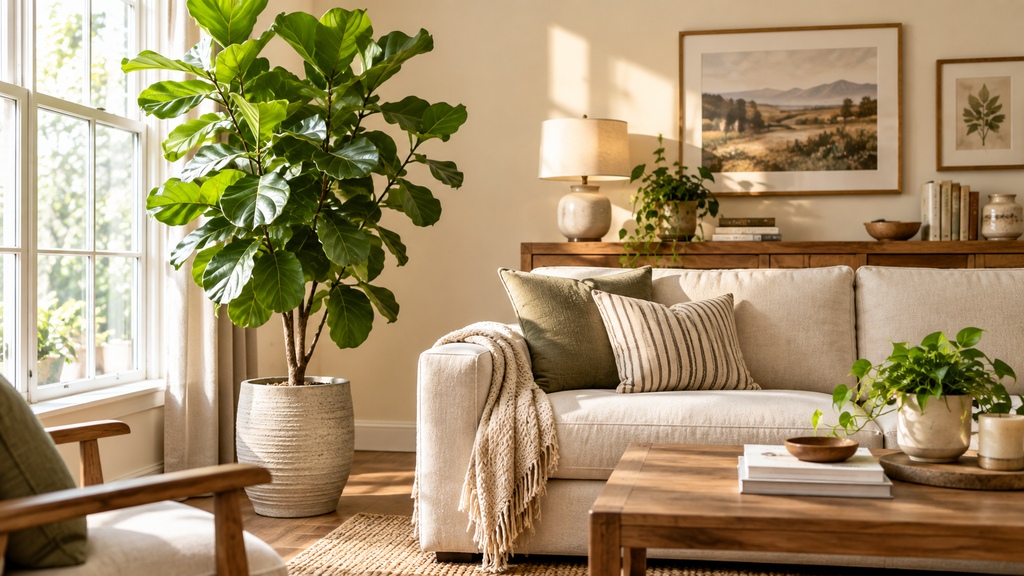
Few indoor plants create the same visual impact as a fiddle-leaf fig.
Its large leaves and upright growth can make a room feel taller and more finished. But this is not necessarily the plant I’d recommend for someone who wants to completely forget about plant care.
Fiddle-leaf figs prefer good light and stable conditions. Sudden changes in light, temperature, watering, or placement can lead to leaf problems.
If you love the look, give it a bright spot with indirect light and avoid constantly moving it around.
Aloe vera is especially attractive for bright homes.
Its thick, architectural leaves give it a sculptural appearance that works beautifully in kitchens, sunny offices, and windowsills.
Unlike many tropical houseplants, aloe prefers to dry out between waterings. Give it plenty of light and use a well-draining potting mix.
This is a good example of why you shouldn’t treat every houseplant the same way. A fern and a succulent can live in the same home but may have completely different watering needs.
10. African Violet: Small but Colorful
If you don’t have room for a large plant, don’t overlook African violets.
Their compact size makes them ideal for desks, kitchen windows, small shelves, and bedside tables. With appropriate light and care, they can add a welcome touch of color rather than just another shade of green.
They’re also listed by ASPCA among pet-friendly plants.
11. Boston Fern: For a Softer, Fuller Look
Boston ferns can make an indoor space feel instantly more lush.
Their fine, arching foliage looks particularly good in hanging baskets or on plant stands. They generally appreciate higher humidity than many drought-tolerant houseplants, so they can be a good choice for a bright bathroom or another suitably humid area.
Don’t let the soil repeatedly become bone dry if you’re trying to keep a fern looking full.
12. Cast Iron Plant: For Difficult Corners
The cast iron plant has earned its reputation for toughness.
It can tolerate lower-light conditions and is often recommended for spaces where more demanding plants struggle. It also appears on ASPCA’s pet-friendly plant list.
That makes it an interesting option for homes with pets and less-than-perfect lighting.
It won’t turn a completely dark room into a garden, though. Every green plant still needs some usable light to grow.
How to Choose the Right Indoor Plant for Your Home
Instead of choosing a plant simply because you like its appearance, start with the room.
Check the light first
Stand where you want the plant to live and look at the natural light throughout the day.
East-facing windows often provide gentler morning light, while south- and west-facing windows can provide stronger light. The distance from the window also matters.
If your room is dim, choose plants known to tolerate lower light rather than trying to force a sun-loving plant to survive there.
Think about your watering habits
This is where many new plant owners get into trouble.
Watering every Saturday may sound convenient, but plants don’t necessarily need water on the same day every week. Their needs change with light, temperature, humidity, plant size, soil, pot size, and the season.
A better habit is to check the soil.
If the soil is still wet, wait. When the plant actually needs water, water thoroughly and allow excess water to drain from the pot.
Don’t ignore drainage
A beautiful planter isn’t enough.
Make sure your plant has appropriate drainage, particularly for plants that dislike wet roots. Waterlogged soil can reduce the air available around roots and contribute to root problems.
If you use a decorative cachepot without a drainage hole, keep the plant in a nursery pot that can be removed for watering.
What About Indoor Plants and Pets?
If you have a dog or cat, make plant safety part of your shopping decision.
Several extremely popular houseplants—including pothos, philodendron, peace lily, and some other common varieties—can cause problems if pets chew or ingest them. ASPCA recommends checking plant toxicity before bringing a new plant into a pet household.
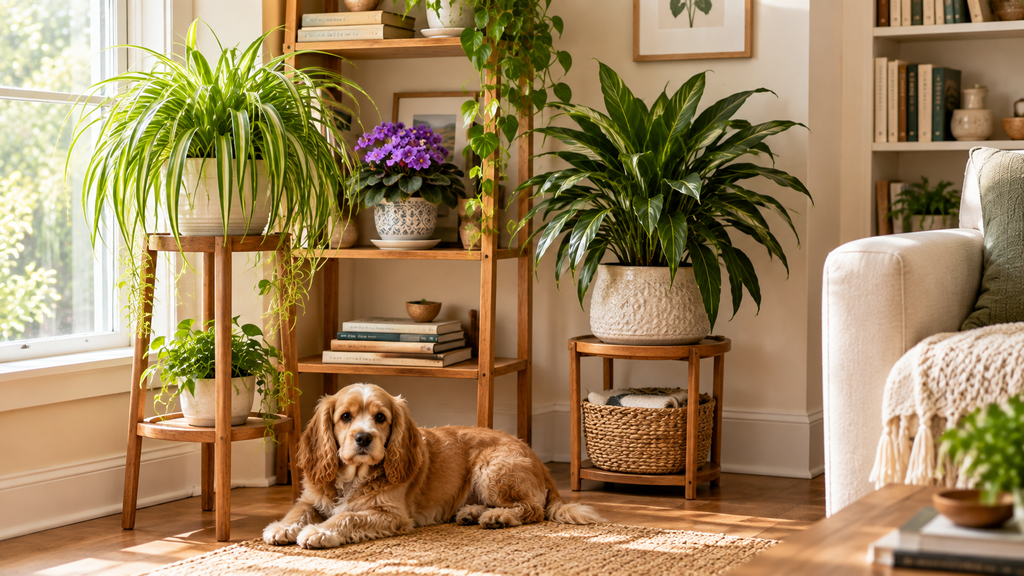
Spider plants, cast iron plants, African violets, and some other varieties are among the pet-friendly options listed by ASPCA.
Even with pet-friendly plants, it’s smart to keep pots stable and out of places where animals can knock them over.
How to Keep Indoor Plants Healthy Year-Round
Good plant care is usually less about doing more and more about doing the right things consistently.
Give plants the light they need.
Light is one of the biggest factors determining whether a houseplant thrives.
Keep an eye on humidity.
Many tropical houseplants prefer more humidity than a typical heated or air-conditioned home provides. Around 40–50% humidity is often comfortable for many indoor plants, although individual species differ.
Keep plants away from harsh drafts.
Heat registers, radiators, cold exterior doors, and strong air-conditioning drafts can create stressful conditions.
Rotate plants occasionally.
If a plant receives light primarily from one direction, turning the pot periodically can help it grow more evenly.
Clean dusty leaves.
A layer of dust can block some of the light reaching foliage. Gently wiping large leaves can also make your plants look dramatically fresher.
Watch for changes.
Yellowing leaves, drooping, brown tips, pests, or sudden leaf drop are clues that something about the plant’s environment may need attention.
The Best Indoor Plant Is the One That Fits Your Lifestyle
You don’t need to turn your home into a jungle to enjoy indoor gardening.
For a beginner, a pothos, spider plant, cast iron plant, or another forgiving variety can be a great place to start. If your home has strong natural light, you have even more choices. If you have pets, make safety part of the decision before you buy.
Most importantly, pay attention to the room rather than following a rigid watering calendar.
The healthiest indoor plant collections aren’t necessarily owned by people who spend hours every day gardening. They’re often created by people who understand their home’s light, choose plants that match those conditions, and notice when something changes.
Start with one plant.
Find the right spot.
Learn what it needs.
Then, when you see that first flush of healthy new growth, you may find yourself looking around the house for the next empty corner.