
Home decor is undergoing a profound transformation across the United States. As our lives continue to blend remote work, relaxation, and personal expression, our living spaces must evolve to keep pace. Gone are the days of rigid, overly curated minimalist rooms that feel more like showrooms than sanctuaries. Today’s American homes are telling deeply personal stories, balancing tactile comfort with smart functionality, and leaning heavily into sustainable, earth-conscious design choices.
Whether you are prepping a suburban craftsman house in Ohio for cozy autumn nights or refreshing a sunlit coastal apartment in California, understanding the shifting tides of interior design makes all the difference. This comprehensive guide breaks down the freshest, most compelling home decor movements capturing attention right now, designed to help you transform your space into a true reflection of modern living.
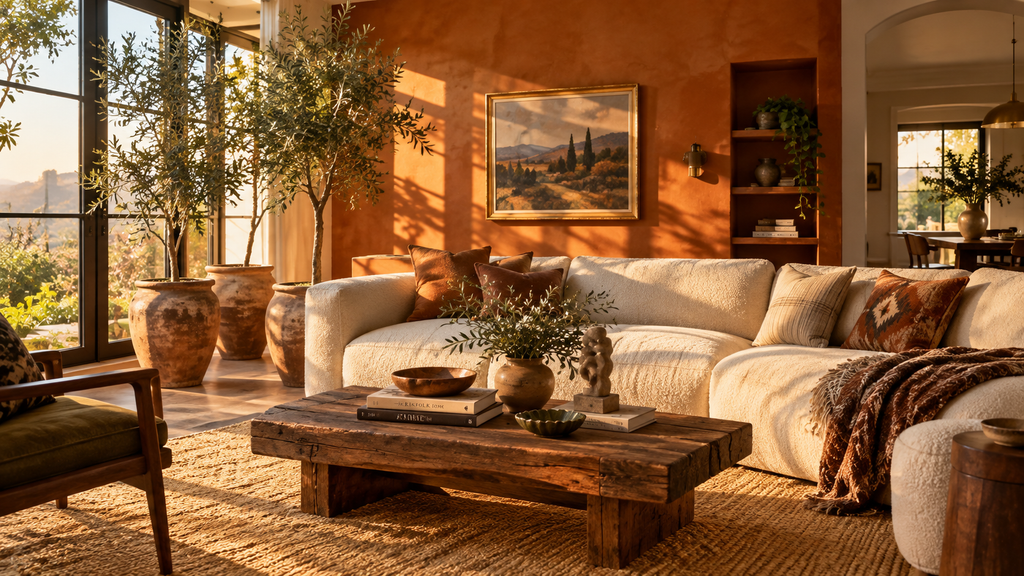
For years, the design world was dominated by stark white walls, cool grays, and sleek chrome finishes. While clean lines still hold a place in modern architecture, American homeowners are craving warmth and emotional resonance. We are seeing a massive resurgence in textured walls, limewash finishes, and rich, grounding color palettes.
Earthy tones like terracotta, burnt olive, ochre, and deep moss green are taking center stage. These colors do not just look visually striking; they evoke a sense of groundedness and calm that people actively seek after a long day. Pairing these hues with tactile fabrics like boucle, raw linen, heavy wool throws, and reclaimed wood instantly adds depth to a room that flat, synthetic materials simply cannot replicate.
Design Tip:
Instead of repainting an entire room, start with a textured accent wall using a limewash or Roman clay technique. It introduces organic movement and catches natural light in breathtaking ways throughout the day.
Sustainable Soul: Eco-Friendly and Vintage Integration
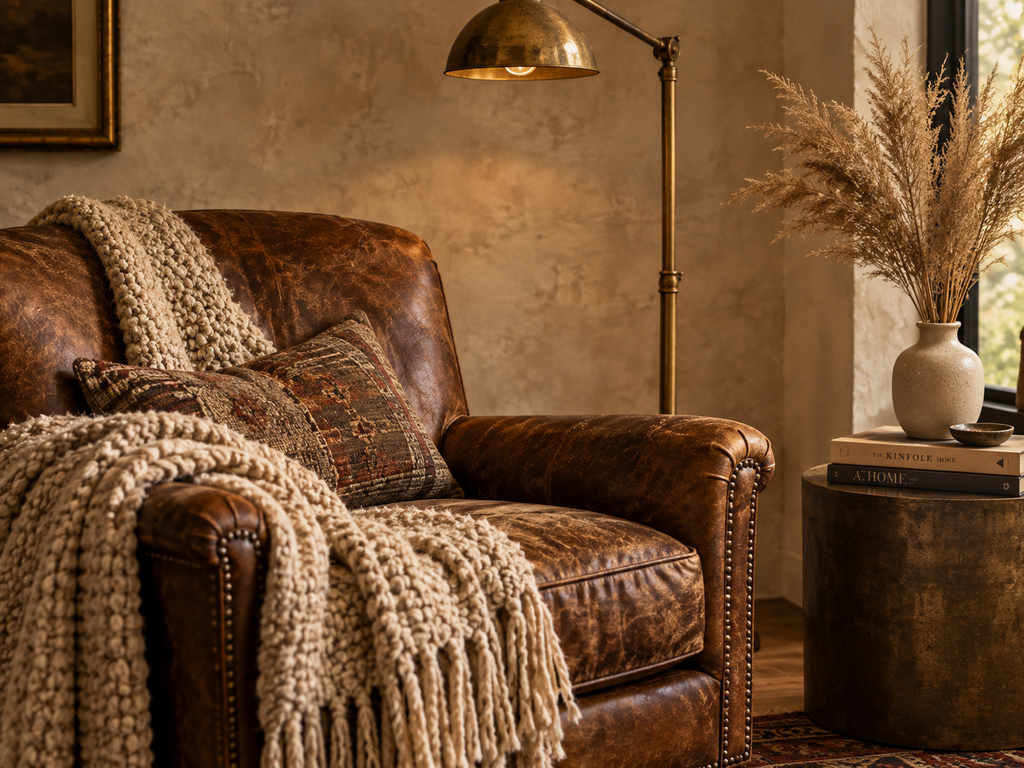
Sustainability is no longer a niche market in the US; it is a primary driving force behind modern purchasing decisions. Homeowners are increasingly turning away from mass-produced fast furniture that ends up in landfills after a couple of seasons. Instead, the focus has shifted toward investment pieces with a history.
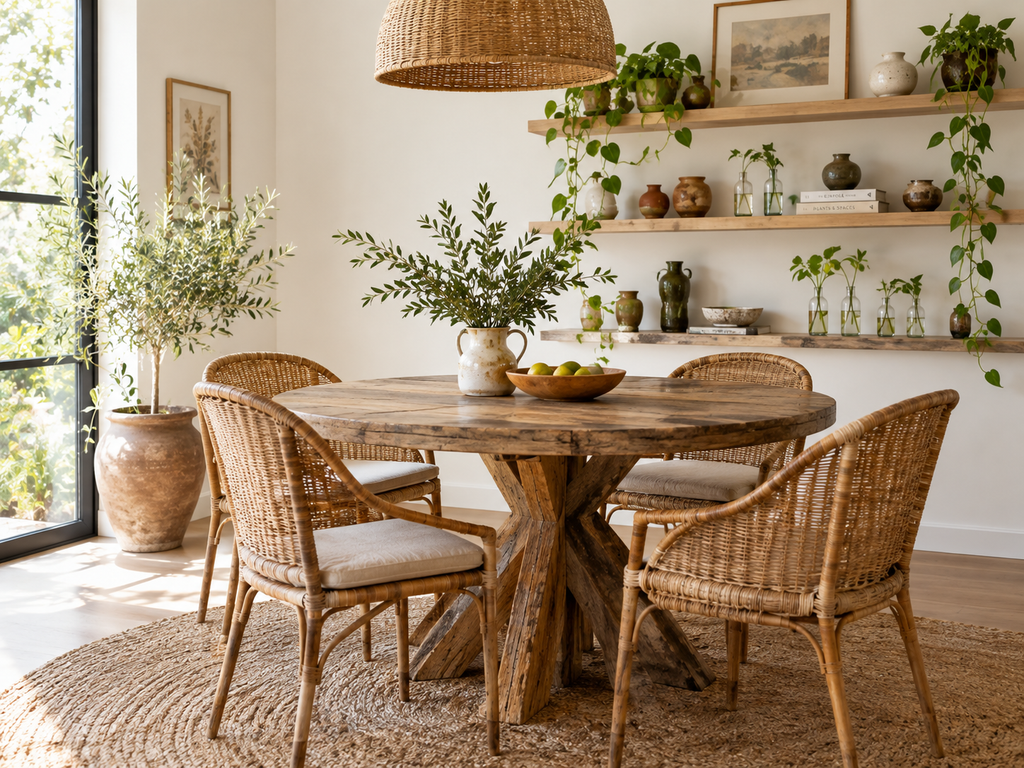
Thrifting, antiquing, and sourcing vintage items on marketplaces like Chairish or local estate sales have become mainstream art forms. Blending a mid-century modern credenza with a contemporary, clean-lined sofa creates an eclectic, lived-in aesthetic that feels curated over time rather than bought off a single showroom floor. Additionally, materials like rattan, bamboo, cork, and recycled glass are dominating decor accents, proving that eco-friendly choices never have to compromise on style.
Functional Zones and Quiet Luxury
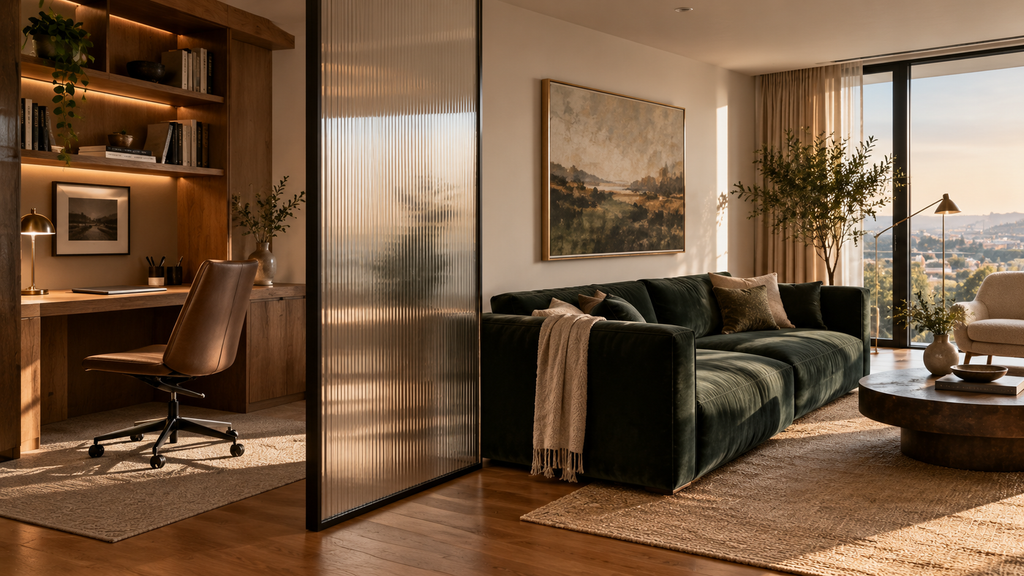
The open-concept layout, once the undisputed king of American real estate, is being thoughtfully reimagined. While vast, open spaces are wonderful for entertaining, the reality of households sharing space for working, studying, and relaxing simultaneously has highlighted the need for boundaries.
Enter the era of “broken-plan” living and dedicated micro-zones. Homeowners are using fluted glass partitions, clever furniture placement, arched doorways, and contrasting wall colors to create intimate, purposeful nooks without sacrificing natural light. This ties directly into the “quiet luxury” movement—a design philosophy centered on understated elegance, high-quality craftsmanship, and clutter-free surfaces that promote mental clarity.
Bringing It All Together
Creating a home that feels both current and timeless is an ongoing journey of curation and self-expression. By moving away from fast-paced trends and focusing on sustainability, rich textures, personal history, and functional zones, you can build a living space that truly nurtures your well-being.
Remember, your home should tell your unique story. Don’t be afraid to mix eras, experiment with rich earth tones, and design spaces that prioritize both comfort and purpose.
Frequently Asked Questions (FAQs)
1. How can I make a small room look larger without major renovations?
To maximize a small space, rely on a light and neutral color palette, incorporate large mirrors to reflect natural light, and choose multi-functional furniture with exposed legs to create an open, airy feel.
2. What are the best colors for creating a calming home environment?
Earthy and warm tones such as soft terracotta, muted greens, warm beige, and subtle ochre are known to promote relaxation and bring a sense of nature indoors.
3. Is vintage furniture difficult to mix with modern decor?
Not at all! Mixing vintage and modern pieces (often called eclectic style) adds character and depth to a room, preventing it from looking like a generic furniture catalog