
There’s something about a garden in early fall that makes you want to slow down. The summer tomatoes are winding down, the flower beds are looking a little tired, and the first cool mornings remind you that winter is on its way.
But before you put away your gardening gloves, take a closer look at what’s happening outside. Fall is one of the best times to give your garden a little attention. The soil is still warm in many parts of the United States, the weather is often easier on plants, and a few simple jobs now can make next spring much less stressful.
The good news? You don’t need a huge backyard, expensive tools, or an entire weekend to get started.
Whether you have a suburban vegetable garden, a few raised beds, or a small patio filled with pots, these fall gardening tips will help you make the most of the season.
1. Don’t Clean Up Every Part of Your Garden
One of the biggest fall gardening mistakes is treating every brown leaf and dried flower as something that needs to disappear.
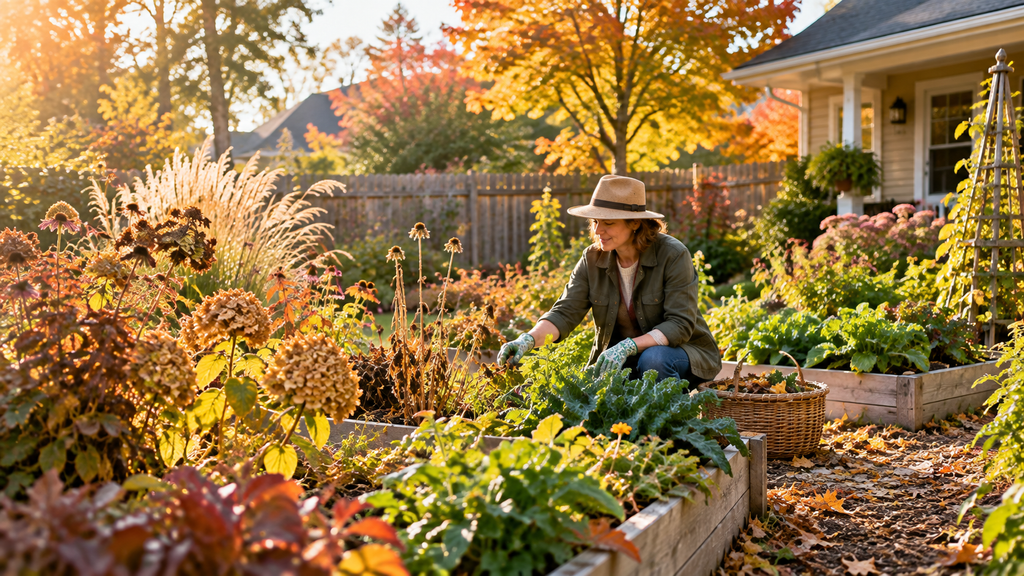
A perfectly tidy garden may look nice, but leaving some natural plant material in place can be helpful. Dry flower heads provide seeds for birds, while hollow stems and leaf litter can offer shelter for overwintering insects.
Instead of clearing everything at once, take a more selective approach.
Remove plants that are clearly diseased, rotting, or infested with pests. Pull out spent annual vegetables that are no longer producing. But consider leaving healthy perennial stems, ornamental grasses, and some fallen leaves until later in the season.
Asters, coneflowers, and other late-season flowers can also provide valuable food for pollinators.
If you prefer a neat-looking garden, you don’t have to let the entire yard become wild. Simply leave a small corner or a few garden beds more natural.
That little change can make your garden friendlier to beneficial insects without making it look messy.
A simple rule: Clean up problems, not every sign of nature.
Healthy plants start with healthy soil, and fall is a convenient time to improve it.
After a long growing season, your garden soil may be compacted, depleted, or simply in need of organic matter. Adding compost in the fall gives it time to settle into the garden before the next growing season.
Spread a thin layer of finished compost over vegetable beds, flower borders, or raised beds. You can leave it on the surface or gently mix it into the top layer of soil, depending on your garden’s needs.
You don’t need to dig deeply or turn the entire bed upside down. In fact, avoiding unnecessary soil disturbance is often a good idea.
If you’ve noticed poor plant growth, yellowing leaves, or disappointing harvests, consider getting a soil test before adding fertilizer. A soil test can help you understand whether your garden needs nutrients or a change in pH.
This is especially useful if you’re planning to grow vegetables in the same space next year.
What to add to your garden soil
- Finished compost
- Well-aged organic matter
- Shredded leaves
- A soil amendment recommended by your soil test
Avoid adding fresh manure directly to beds where you plan to grow food soon. It can be too strong for plants and may introduce unwanted pathogens or weed seeds.
The goal is simple: Improve the soil without making the process complicated.
3. Turn Fallen Leaves Into Free Garden Mulch
If you have trees in your yard, fall leaves can feel like a never-ending chore.
But those leaves are also one of the easiest free resources for your garden.
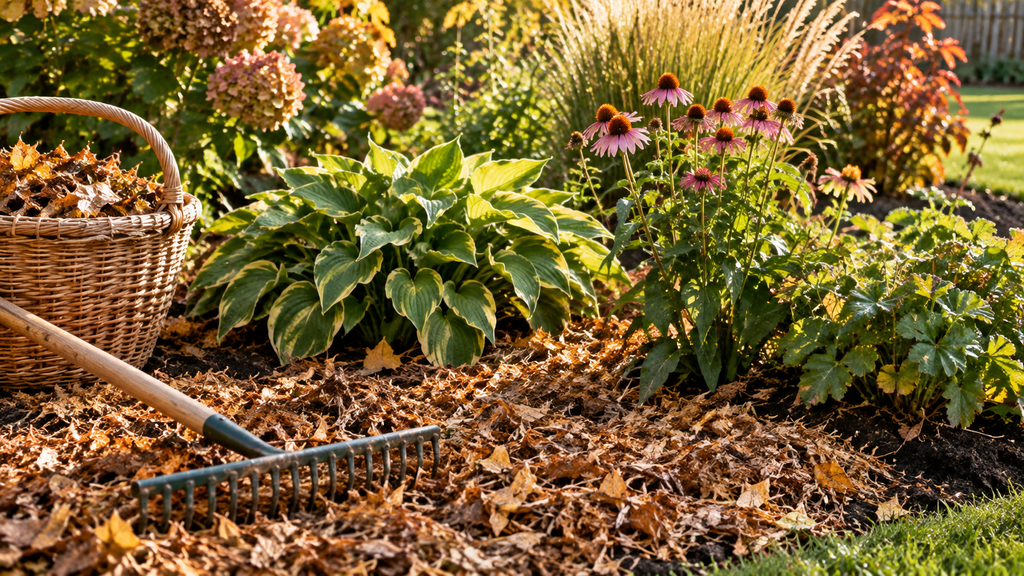
Instead of bagging every leaf and sending it away, use a mower or leaf shredder to break them into smaller pieces. Shredded leaves can be used as mulch around trees, shrubs, flower beds, and established perennials.
They help cover bare soil, reduce moisture loss, and add organic matter as they break down.
You can also add shredded leaves to your compost pile. Mix them with fresh green materials such as grass clippings or vegetable scraps to help create a balanced compost mixture.
There is one important detail: Avoid piling thick layers of whole, wet leaves directly on top of small plants. They can mat together and block air and light.
A light layer of shredded leaves is usually a better choice.
If your lawn is covered with leaves, mowing them into small pieces can also help return organic material to the soil.
Fall gardening tip: Before buying another bag of mulch, look at what’s already falling from your trees.
Fall is not the end of gardening. In many parts of the United States, it’s an excellent time to plant.
Cooler air and warm soil can help new plants establish roots before winter. But the best choices depend heavily on where you live.
A gardener in Minnesota has a very different fall planting calendar from someone in Georgia or Southern California.
Before buying plants, check your USDA Hardiness Zone and your local planting calendar. Your county Extension office is one of the best places to find advice for your specific climate.
Plants worth considering
Spring-flowering bulbs: Tulips, daffodils, and alliums are popular choices for fall planting in regions where they can receive the winter chill they need.
Cool-season vegetables: Depending on your climate, you may still be able to grow lettuce, spinach, kale, radishes, and other cool-weather crops.
Native perennials: Fall can be a good time to add native plants that support local wildlife and provide long-term garden interest.
Trees and shrubs: In many regions, fall is a suitable season for planting woody plants because the cooler weather reduces stress while roots continue to establish.
The key is not to plant something simply because it looks beautiful in a garden center.
Choose plants that match your sunlight, soil, water availability, and winter conditions.
5. Create a Small Pollinator-Friendly Corner
You don’t need a large meadow to make your garden more welcoming to bees and butterflies.
A small patch of flowers can be enough to bring more life into your outdoor space.
Try choosing plants that bloom at different times of the year. This helps provide food for pollinators beyond the peak of summer.
Some fall-friendly options include asters, goldenrod, and late-blooming native flowers. The best varieties depend on your region, so look for plants recommended by local Extension experts or native plant organizations.
When choosing flowers, think about more than color.
Look for plants that offer nectar, pollen, shelter, or seeds. A garden with different heights, bloom times, and plant shapes can be more useful than one filled with a single type of flower.
You can also add a shallow water source, such as a small dish with stones that allow insects to land safely.
Avoid using pesticides simply because you see a few insects. Many insects are harmless, and some are beneficial predators that help keep garden pests under control.
If a pest problem is serious, identify the insect before choosing a treatment.
A little patience can save you from accidentally harming the helpful creatures in your garden.
6. Protect Your Vegetable Garden From Next Year’s Problems
Fall is a good time to look back at what worked and what didn’t.
Did your tomatoes suffer from disease? Were your squash plants covered in pests? Did your cucumbers stop producing early?
Write down what you noticed while it’s still fresh in your mind.
Remove diseased plants from the garden rather than adding them to your compost pile. Insect-infested plant debris may also need to be discarded carefully, depending on the pest and the crop.
For healthy plant material, composting is often a useful option.
It’s also worth clearing fallen fruit from underneath fruit trees. Rotting fruit can attract pests and create an unpleasant mess.
If you had a serious pest outbreak, consider rotating crops next year. Planting the same family of vegetables in the same location repeatedly can make certain pest and disease problems harder to manage.
For example, if squash bugs were a major issue this year, moving squash to a different bed next season may be helpful.
You don’t need a perfect garden plan. Even a few notes in your phone can make next year’s planting decisions easier.
7. Try a Cover Crop in an Empty Vegetable Bed
If you have a raised bed that will sit empty through winter, consider growing a cover crop.
Cover crops are plants grown mainly to protect and improve soil rather than for harvesting.
Depending on your climate and planting date, options may include winter rye, oats, crimson clover, or other locally recommended species.
They can help reduce erosion, suppress weeds, and add organic matter to the soil. Legume cover crops may also contribute nitrogen through their relationship with beneficial soil bacteria.
However, cover crops are not a one-size-fits-all solution.
Some need to be planted several weeks before the first hard frost. Others may require specific management in spring so they don’t become difficult to remove.
If you’re a beginner, start with one small bed rather than planting your entire garden.
Ask your local Extension office which cover crops are suitable for your region and when to sow them.
For a small home garden, even a simple winter cover can be a useful experiment.
8. Bring Outdoor Houseplants Inside Before Cold Weather
If you moved your houseplants outdoors for the summer, fall is the time to start planning their return indoors.
Don’t wait until the first freezing night.
Before bringing plants inside, inspect leaves, stems, and the underside of leaves for pests. Spider mites, aphids, mealybugs, and other insects can hitch a ride indoors.
Wash the foliage gently with water if appropriate for the plant. Check the pot and soil surface, too.
It’s also a good idea to isolate returning plants from your indoor collection for a short period while you inspect them.
Some plants need to adjust to lower indoor light levels. Move them gradually if possible, and place them near a window that provides suitable light.
Remember that a sunny outdoor location can be much brighter than even a bright indoor window.
If a plant struggles after moving indoors, check its light, watering, and humidity needs before assuming it’s dying.
A little preparation now can save you from dealing with an indoor pest problem later.
9. Clean and Store Your Gardening Tools
This is the fall gardening task most people skip—and regret when spring arrives.
Before putting away your tools, take a few minutes to clean them.
Remove soil from shovels, trowels, pruners, and garden forks. Dry metal tools thoroughly to help prevent rust.
Sharpen pruning shears and other cutting tools if needed. Wipe them clean and store them in a dry place.
If you use a lawn mower, trimmer, or other powered equipment, follow the manufacturer’s instructions for seasonal storage.
Don’t forget your garden gloves, hoses, watering cans, and plant labels.
A small amount of maintenance can make spring gardening much more enjoyable.
There’s nothing worse than finding your favorite pruners covered in rust when the first warm weekend arrives.
A Simple Fall Garden Checklist
If you’re short on time, start with these five jobs:
- Remove diseased or heavily infested plant material.
- Add compost to tired garden beds.
- Shred fallen leaves for mulch.
- Plant suitable fall bulbs or cool-season crops.
- Clean and store your gardening tools.
You don’t have to finish everything in one day.
Choose one task each weekend and work at your own pace.
Final Thoughts
A beautiful spring garden often starts with small decisions made in fall.
You don’t need to buy dozens of plants or spend hours cleaning every corner of your yard. The most useful fall gardening tips are often the simplest ones: protect your soil, leave room for nature, choose plants that fit your climate, and prepare for the season ahead.
Whether you’re caring for a few containers on an apartment patio or a large backyard garden, fall gives you a chance to reset.
And when spring finally arrives, you’ll be glad you took the time.
What’s your favorite fall gardening task? Share your tip with us in the comments.