
There is something special about a home that feels calm, comfortable, and beautifully put together without looking overly decorated. The rooms do not need expensive furniture, designer accessories, or a complete renovation. Often, the most attractive homes are created with simple choices: soft colors, natural textures, thoughtful lighting, and a few pieces that feel personal.
This decorating style is often called quiet luxury. It focuses on quality, comfort, and timeless design rather than obvious labels or flashy decorations. The good news is that you do not need a large budget to bring this look into your home.
Whether you live in a small apartment, a suburban house, or a busy family home, these affordable quiet luxury home decor ideas can help you create spaces that feel warm, polished, and inviting.
1. Start With a Calm, Neutral Color Palette
One of the easiest ways to make a room look more elegant is to simplify the color scheme. Too many competing colors can make a space feel busy, while a soft neutral palette creates a more peaceful appearance.
You do not have to paint every wall white. Consider warm shades such as:
- Cream
- Soft beige
- Warm white
- Light taupe
- Mushroom gray
- Muted olive
- Soft clay
For an American home, warm neutrals often work especially well because they pair beautifully with wood floors, white trim, natural fabrics, and traditional furniture.
A simple approach is to choose one main wall color, one secondary shade, and one darker accent. For example, warm white walls, beige upholstery, and dark wood accessories can create a classic look without feeling boring.
If your room already has colorful furniture, keep the walls and smaller accessories neutral. This allows the pieces you already own to feel more intentional.
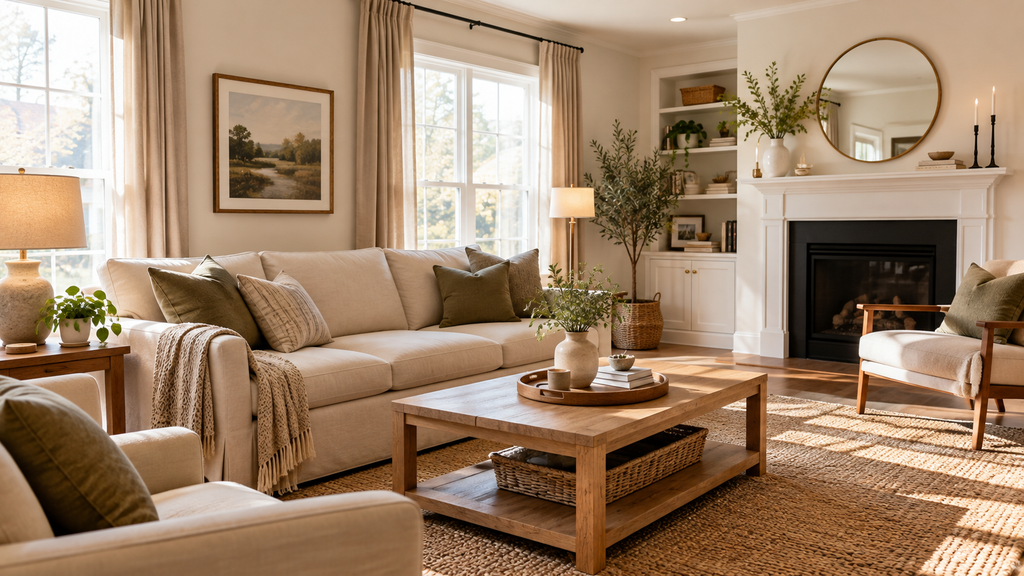
2. Use Curtains to Make the Room Feel Taller
Curtains can completely change the appearance of a room, but many people hang them too low or choose panels that are too short.
For a more polished look, install the curtain rod several inches above the window frame and allow the panels to fall close to the floor. This draws the eye upward and makes the ceiling feel taller.
Choose simple fabrics such as:
- Linen-look curtains
- Cotton curtains
- Light cotton voile
- Textured neutral panels
- Soft blackout curtains for bedrooms
Avoid overly shiny materials if you want a relaxed, expensive-looking finish. Natural-looking textures usually appear more sophisticated.
If your windows are narrow, extend the curtain rod beyond both sides of the window. This can make the window appear wider and allow more natural light into the room when the curtains are open.
You do not need custom-made curtains for this effect. Ready-made panels can work well when they are properly measured and hung.
3. Add Texture Instead of More Decorations
A room can look unfinished even when it contains plenty of furniture. The problem is often a lack of texture rather than a lack of accessories.
Texture gives a space depth and makes neutral rooms feel warm. Instead of buying many small decorations, introduce a few different materials.
Try combining:
- Linen
- Cotton
- Wool
- Rattan
- Woven baskets
- Ceramic
- Wood
- Bouclé
- Soft knitted fabrics
For example, a beige sofa can look much more inviting with a cotton throw, a woven basket, and a textured cushion. A simple wooden table can feel more interesting when paired with a ceramic vase and a linen runner.
The goal is to create contrast without making the room look crowded. Smooth surfaces look better when balanced with something soft or rough.
This is one of the most budget-friendly ways to make a home feel thoughtfully designed.
4. Choose One Large Artwork Instead of Many Small Pieces
A wall filled with tiny, unrelated decorations can sometimes make a room feel cluttered. One larger artwork can create a stronger focal point and give the space a more finished appearance.
Look for artwork with:
- Simple abstract shapes
- Soft landscape scenes
- Botanical drawings
- Black-and-white photography
- Muted architectural prints
- Neutral geometric designs
You can find affordable prints online and place them in simple frames. The frame often makes a bigger difference than the artwork itself.
For a classic look, choose black, dark wood, brushed brass, or natural oak frames. Keep the style consistent if you are hanging more than one piece.
When placing artwork above a sofa or bed, choose a size that feels connected to the furniture below it. A very small picture can look lost on a large wall.
If you prefer a gallery wall, keep the colors and frame styles coordinated so the arrangement feels intentional.
5. Upgrade Lighting Before Buying New Furniture
Lighting is one of the most overlooked parts of home decor. Even a beautifully decorated room can feel cold if it has only one bright ceiling light.
A layered lighting plan usually looks more comfortable and luxurious. Try combining three types of lighting:
Ambient lighting provides general brightness. This may come from a ceiling fixture or recessed lights.
Task lighting helps with specific activities, such as reading, working, or cooking. Desk lamps and reading lamps are useful examples.
Accent lighting creates atmosphere. Table lamps, wall lights, and small decorative lights can make a room feel softer in the evening.
Use warm white bulbs instead of very cool blue-white bulbs in living rooms and bedrooms. Warm lighting often makes wood, beige fabrics, and natural materials look more attractive.
A pair of matching table lamps can also make a room look balanced. They do not have to be expensive; similar shapes and matching shades are usually enough.
6. Make Your Entryway Feel Welcoming
The entryway is the first part of your home that guests see, but it is often used only as a place to drop keys, shoes, and bags.
A few simple changes can make this area feel more organized and attractive.
Start with a small table, narrow console, or wall-mounted shelf. Add a tray for keys, a small lamp, and one decorative object such as a ceramic bowl or vase.
If space allows, include:
- A mirror
- A small bench
- A woven basket
- Wall hooks
- A washable runner
- A small indoor plant
A mirror can reflect light and make a narrow entryway feel larger. A basket helps hide everyday clutter while keeping frequently used items easy to reach.
The best entryways are practical as well as beautiful. Make sure there is still enough space to walk comfortably and open the front door.
7. Mix Affordable Furniture With One Special Piece
You do not need every item in a room to be expensive. In fact, mixing affordable furniture with one distinctive piece often creates a more natural and collected look.
Your special piece could be:
- A vintage wooden side table
- A comfortable accent chair
- A large mirror
- A handmade ceramic lamp
- A quality area rug
- A beautiful coffee table
The remaining furniture can be simple and budget-friendly.
For example, an affordable sofa can look more elevated when paired with a vintage table, a large rug, and attractive cushions. A basic bedroom can feel more personal with one antique-style nightstand or a statement mirror.
Try not to buy everything from the same furniture collection. Matching sets can sometimes make a home look like a showroom. A mixture of shapes, materials, and ages usually feels more personal.
8. Bring in Natural Materials
Natural materials are a major part of relaxed, timeless home decor. They help soften modern rooms and create a connection with the outdoors.
Wood is especially useful because it works with almost every decorating style. Light oak creates a bright Scandinavian feeling, while walnut and darker woods create a warmer traditional atmosphere.
Other useful materials include:
- Rattan
- Cane
- Jute
- Stone
- Terracotta
- Cotton
- Linen
- Wicker
You can introduce natural materials through small changes rather than replacing your furniture. A woven basket, wooden cutting board, jute rug, or rattan tray can make a noticeable difference.
For kitchens, wooden bowls and cutting boards can be displayed neatly instead of hidden away. In living rooms, a woven basket can hold blankets. In bedrooms, linen-look bedding can create a relaxed, hotel-inspired appearance.
Natural materials also tend to age well, making them a smart choice for long-term decorating.
9. Keep Surfaces Styled but Not Overcrowded
A common decorating mistake is filling every available surface with accessories. While collections can be meaningful, too many objects can make cleaning difficult and reduce the visual impact of each item.
Instead, leave some empty space.
A coffee table may only need:
- A small stack of books
- A decorative tray
- One vase or bowl
A bedroom nightstand may look better with a lamp, a book, and one small personal item rather than ten different decorations.
When styling shelves, vary the height and shape of objects. Place taller items beside shorter ones and mix horizontal books with vertical accessories.
Use the “remove one thing” method. After styling a surface, remove one item and see whether the arrangement looks cleaner. Often, the room will feel more elegant with fewer objects.
10. Make the Bedroom Feel Like a Comfortable Retreat
A luxurious bedroom is not necessarily a large bedroom. It is a space that feels peaceful at the end of the day.
Start with the bed because it is usually the main visual feature. Choose bedding in soft neutral colors and layer different textures.
A simple combination could include:
- Crisp cotton sheets
- A quilt or coverlet
- A soft duvet
- Two sleeping pillows
- Two decorative pillows
- A folded throw blanket
Avoid making the bed look too perfect or stiff. A slightly relaxed arrangement feels more comfortable and realistic.
Keep bedside lighting warm and gentle. If possible, use matching lamps or similar lighting on both sides of the bed.
A small bench, soft rug, or framed artwork can complete the room. The most important goal is to reduce visual noise and create a restful atmosphere.
11. Use Plants as Living Decor
Indoor plants can make a home feel fresher and more welcoming. They also add color without requiring a large collection of decorative objects.
Choose plants based on the light available in your room. Some homes receive strong direct sunlight, while others have shaded windows.
Beginner-friendly options may include:
- Snake plants
- Pothos
- ZZ plants
- Spider plants
- Rubber plants
- Peace lilies
Use attractive pots in ceramic, terracotta, stone-look, or woven styles. Place larger plants in empty corners and smaller plants on shelves or side tables.
If you do not have enough natural light, choose realistic faux plants or use a suitable grow light. The goal is to select plants that fit your lifestyle rather than buying something that will be difficult to maintain.
A single healthy plant often looks better than several neglected ones.
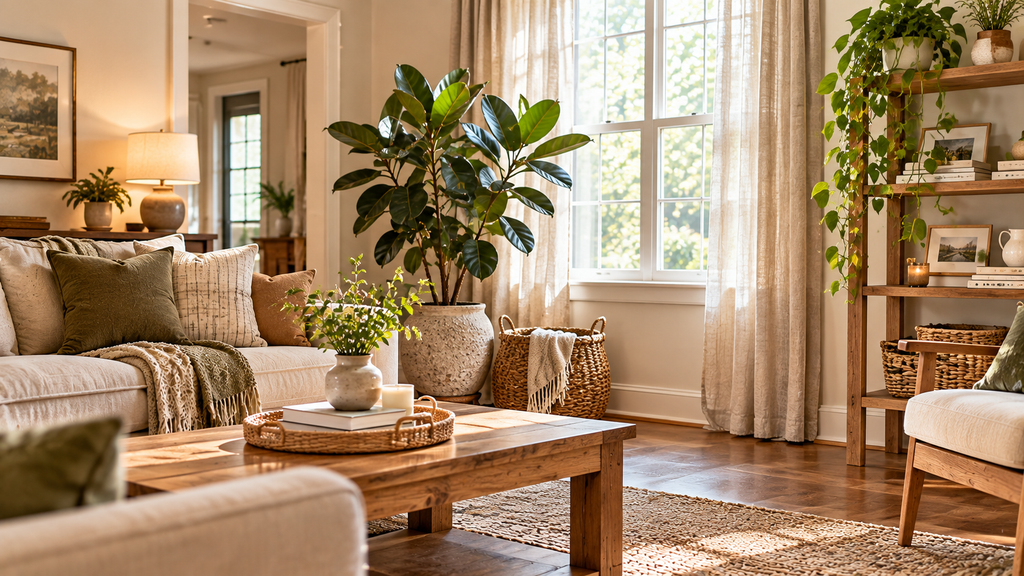
Beautiful decor cannot fully hide a home that lacks practical storage. Clutter is especially noticeable when items are left on countertops, floors, and open shelves.
The best storage solutions combine usefulness with appearance.
Consider using:
- Woven baskets
- Matching storage boxes
- Lidded ceramic containers
- Wooden trays
- Storage ottomans
- Closed cabinets
- Drawer organizers
In the living room, baskets can hold blankets, toys, or magazines. In the bathroom, matching containers can organize everyday products. In the kitchen, trays can group oils, spices, or coffee supplies.
Try to keep frequently used items accessible while storing less attractive items behind doors or inside drawers.
Do not feel pressured to organize the entire house in one weekend. Start with one visible area, such as the kitchen counter or entryway. Small improvements can quickly make the home feel calmer.
A Simple Weekend Plan for an Elegant Home
If you want to refresh your home without spending much money, follow this simple plan:
Saturday morning: Remove clutter from the most visible room.
Saturday afternoon: Rearrange furniture to improve walking space and natural light.
Saturday evening: Replace harsh bulbs with warm lighting.
Sunday morning: Add one plant, one textured throw, or one large artwork.
Sunday afternoon: Style the entryway and organize one storage area.
This approach allows you to improve the appearance of your home gradually instead of buying everything at once.
Final Thoughts
Creating a home that looks expensive is less about spending money and more about making thoughtful choices. A calm color palette, warm lighting, natural materials, useful storage, and carefully selected accessories can make a major difference.
Focus on comfort first. Choose pieces that work for your daily life, not just items that look attractive in photographs. When your home is organized, softly lit, and filled with textures you enjoy, it will naturally feel more welcoming.
Quiet luxury is not about perfection. It is about creating a space that feels peaceful, personal, and well cared for—and that is possible at almost any budget.