
Indoor plants can make a home feel brighter, calmer, and more welcoming. A single leafy plant can soften an empty corner, bring life to a bookshelf, or make a kitchen windowsill feel more inviting. However, keeping houseplants healthy is not always as easy as placing them in a pretty pot and watering them once a week.
Many indoor plants struggle because of too much water, poor lighting, dry air, or the wrong type of container. The good news is that most of these problems can be avoided with a few simple habits.
Whether you are new to houseplants or already have a growing indoor jungle, these practical indoor plant care tips can help you create a healthier and more attractive home.
1. Choose Plants Based on Your Home’s Light
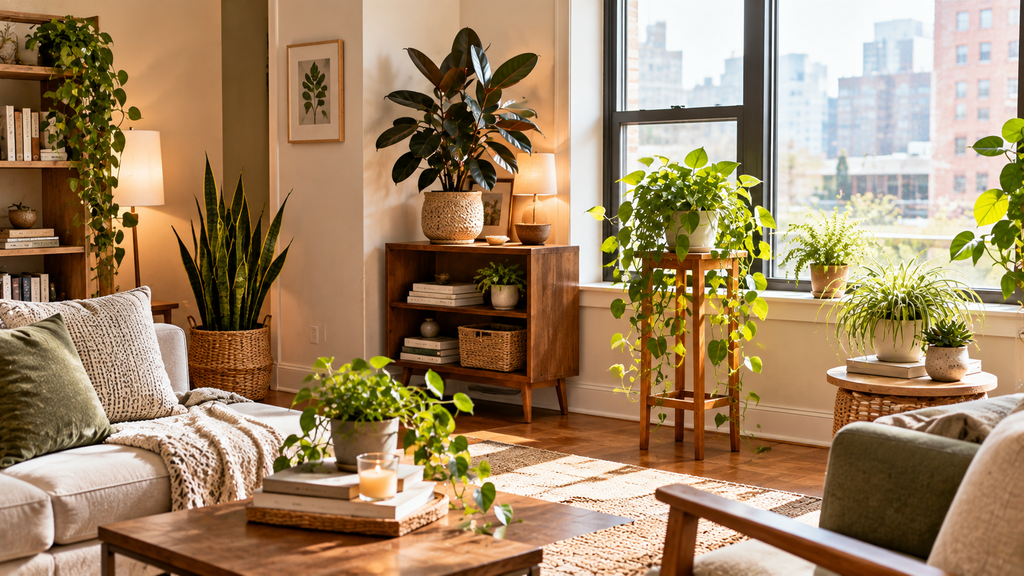
The best indoor plant for your home is not always the plant that looks most attractive at the garden center. Before buying a plant, look at how much natural light your space receives.
A bright south-facing window may provide strong sunlight for much of the day. East-facing windows usually offer gentle morning light, while west-facing windows can receive stronger afternoon sun. North-facing windows often provide lower light.
Choose plants that match those conditions.
For bright spaces, consider:
- Jade plants
- Aloe vera
- Rubber plants
- Jade pothos
- Some varieties of succulents
For medium or indirect light, try:
- Spider plants
- Philodendrons
- Peace lilies
- Heartleaf pothos
- Chinese evergreen plants
For lower-light rooms, consider:
- Snake plants
- ZZ plants
- Cast iron plants
- Certain dracaena varieties
Remember that “low light” does not mean “no light.” Every plant needs some light to survive. If a room is naturally dark, a suitable grow light may be necessary.
2. Learn the Watering Needs of Each Plant
One of the most common indoor plant mistakes is watering every plant on the same schedule.
A cactus may need water much less often than a peace lily. A plant in a small terracotta pot may dry out faster than one in a large plastic container. Indoor temperature, sunlight, humidity, and season also affect how quickly soil dries.
Instead of watering automatically every Sunday, check the soil first.
For many common houseplants, place your finger about an inch into the soil. If the top layer feels dry, the plant may be ready for water. If the soil still feels damp, wait a little longer.
When watering, soak the soil thoroughly until water begins to drain from the bottom of the pot. Then empty any water collected in the saucer.
Small amounts of water added frequently can leave the lower soil dry while keeping the surface wet. Deep, careful watering is usually better than giving a plant only a few drops.
3. Understand the Difference Between Bright Light and Direct Sun
Not all bright light is the same.
Bright indirect light means the plant receives plenty of daylight but is protected from strong direct rays. This is often ideal for tropical houseplants such as pothos, philodendrons, and many types of calathea.
Direct sunlight touches the leaves and can be intense, especially through a south- or west-facing window. Some plants love this, while others may develop brown or scorched patches.
If you move a plant from a darker room into strong sunlight, do it gradually. Sudden changes can shock the plant and damage its leaves.
Sheer curtains are useful when a window receives harsh afternoon sun. They soften the light while still allowing the plant to receive the energy it needs.
4. Use Pots With Drainage Holes
A decorative container may look beautiful, but it should not replace a proper plant pot with drainage.
Drainage holes allow extra water to escape. Without them, water can collect around the roots and create conditions that lead to root rot.
A practical setup is to place the plant in a nursery pot with drainage holes and then set that pot inside a decorative basket or ceramic planter. This gives you the attractive appearance you want while making watering safer.
If you prefer planting directly into a decorative pot, make sure it has a drainage hole and a saucer underneath.
Do not assume that adding rocks to the bottom of a pot solves drainage problems. A proper drainage hole and suitable soil are much more important.
5. Give Your Plants the Right Soil
Different plants prefer different soil conditions.
Most common tropical houseplants grow well in a loose, well-draining indoor potting mix. Succulents and cacti usually need a grittier mix that allows water to move away from their roots quickly.
Avoid using heavy outdoor garden soil for indoor containers. It can become compacted, drain poorly, and sometimes introduce insects or disease.
A basic indoor potting mix can often be improved with materials such as:
- Perlite
- Orchid bark
- Coco coir
- Coarse sand for suitable plants
- Compost in small amounts
The exact mixture depends on the plant. A moisture-loving tropical plant and a desert succulent should not be treated the same way.
6. Rotate Plants for Even Growth
Have you noticed that a plant grows toward the window? This happens because plants naturally respond to light.
To encourage balanced growth, rotate your pots a quarter turn every week or two. This helps different sides of the plant receive light and can prevent a lopsided appearance.
Rotation is especially helpful for rubber plants, fiddle leaf figs, dracaenas, and other plants with noticeable upright growth.
Do not rotate plants too frequently if they are sensitive or recently moved. Give them time to adjust to their surroundings.
7. Clean Dust From the Leaves
Dust can build up on indoor plant leaves, especially in homes with heating, air conditioning, pets, or busy household activity.
A layer of dust can block some light from reaching the leaf surface and make plants look dull.
For large, smooth leaves, gently wipe them with a soft, damp cloth. Support the leaf from underneath to avoid tearing it.
For smaller plants, a gentle shower with lukewarm water may help, as long as the plant and soil can tolerate it. Allow excess water to drain completely afterward.
Avoid using milk, mayonnaise, commercial leaf shine, or oily products on the leaves. These can leave residue and may interfere with the plant’s natural surface.
8. Keep Plants Away From Extreme Temperature Changes
Most common houseplants prefer stable indoor conditions.
Avoid placing plants directly beside:
- Heating vents
- Air-conditioning vents
- Drafty exterior doors
- Frequently opened windows during cold weather
- Hot radiators
- Fireplaces
A plant may look fine near a vent for several weeks and then suddenly develop dry edges or dropped leaves.
During winter, move sensitive tropical plants away from cold glass and chilly windowsills. During summer, protect them from intense heat and strong afternoon sunlight.
A comfortable room for people is often comfortable for houseplants, provided the plant’s light and humidity needs are also met.
9. Increase Humidity Carefully
Indoor air can become very dry during winter when heating systems are running. Some tropical plants may respond with brown leaf edges, curling leaves, or slow growth.
A humidifier is often the most reliable way to increase humidity around a group of plants. Place it nearby, but avoid keeping leaves constantly wet.
Grouping plants together can also create a slightly more humid microclimate. However, leave enough space between them for air to circulate.
A pebble tray may add a small amount of moisture near a plant, but it is not a substitute for a humidifier in a very dry room.
Do not mist plants repeatedly as a solution for every humidity problem. Misting usually provides only short-term moisture and can encourage leaf problems if the foliage stays wet for too long.
10. Inspect New Plants for Pests
Before bringing a new plant into your home, inspect the leaves, stems, and soil.
Look for:
- Tiny insects
- Sticky residue
- Fine webbing
- White cotton-like patches
- Yellow speckling
- Damaged or curled leaves
Common indoor plant pests include fungus gnats, spider mites, mealybugs, and scale insects.
It is wise to keep a new plant away from your existing collection for a short period while you inspect it. This can reduce the chance of spreading pests to healthy plants.
If you discover insects, isolate the plant and identify the pest before choosing a treatment. A mild soap solution may help with some pests, but always follow product directions and test a small area first.
11. Repot Only When It Is Necessary
Repotting can help a plant grow, but doing it too often can create unnecessary stress.
Signs that a plant may need a larger container include:
- Roots growing out of drainage holes
- Soil drying unusually quickly
- Water running straight through the pot
- Stunted growth during the growing season
- A plant becoming top-heavy
- A root-bound mass visible after gently removing the plant
Choose a pot only one or two sizes larger than the current container. Moving a small plant into a very large pot can leave too much wet soil around the roots.
The best time to repot many houseplants is during active growth in spring or early summer. However, a plant with serious drainage or root problems may need attention sooner.
12. Prune Damaged Leaves and Weak Growth
Pruning helps maintain a neat appearance and allows the plant to focus energy on healthy growth.
Remove leaves that are fully yellow, dead, or badly damaged. Use clean scissors or pruning shears to reduce the risk of spreading disease.
If a plant has long, bare stems, trimming the growing tips may encourage fuller growth in some species. Always check the pruning needs of the specific plant before cutting.
Do not remove every imperfect leaf. A small brown edge does not always mean the entire leaf needs to be removed. If most of the leaf is healthy, you can simply trim the damaged section for appearance.
13. Fertilize Lightly During Active Growth
Houseplants need nutrients, but more fertilizer is not always better.
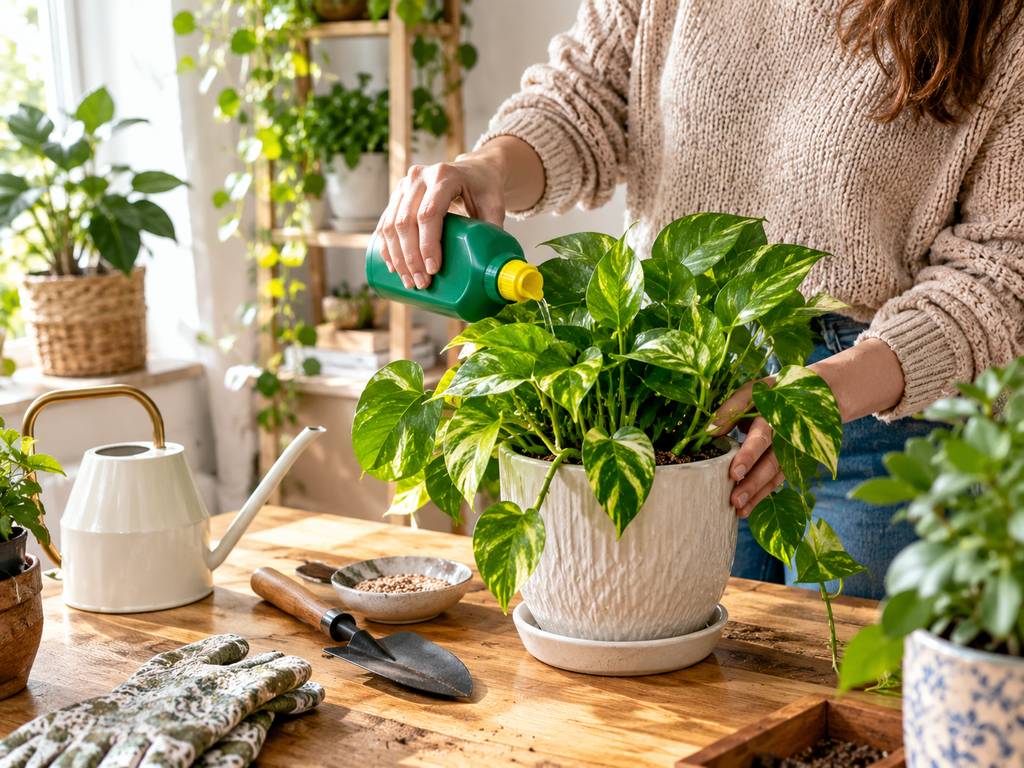
During spring and summer, many indoor plants benefit from a balanced liquid houseplant fertilizer used according to the label. Some plants need feeding less frequently, while others are sensitive to excess fertilizer.
Avoid fertilizing a severely stressed, newly repotted, or pest-damaged plant until it begins to recover.
Too much fertilizer can cause salt buildup in the soil and damage roots. If you notice a white crust on the soil surface, it may be time to flush the soil with clean water, provided the plant has good drainage.
During fall and winter, many houseplants grow more slowly and need less fertilizer.
14. Choose Pet-Safe Plants When Needed
If you share your home with cats or dogs, check whether a plant is safe for your pets before buying it.
Some popular houseplants can cause stomach upset or more serious reactions if chewed. Even plants considered non-toxic may cause problems if a pet eats a large amount of leaves or soil.
Keep unfamiliar plants out of reach until you confirm their safety. Hanging planters, tall shelves, and dedicated plant stands can help protect both the plant and your pets.
Avoid placing plants where curious animals can easily knock over heavy pots or chew electrical cords connected to grow lights.
Pet safety should be part of the plant-selection process, not an afterthought.
15. Create a Simple Plant Care Routine
You do not need to spend hours every day caring for houseplants. A short weekly routine is often enough to notice problems early.
Once a week:
- Check the soil moisture.
- Look under leaves for pests.
- Remove dead leaves.
- Rotate plants if needed.
- Check whether any plant is receiving too much or too little light.
- Empty standing water from saucers.
- Wipe dusty leaves when necessary.
Keep a small notebook or phone reminder if you have many plants. Record the plant name, watering date, and any changes you notice.
The goal is not to follow a perfect schedule. It is to understand what your plants are showing you and respond before small problems become serious.
A Beginner-Friendly Indoor Plant Setup
If you are starting your first indoor plant collection, begin with three or four plants rather than buying ten at once.
A simple starter group could include:
- One snake plant for a lower-light area
- One pothos for a shelf or hanging planter
- One rubber plant for a bright room
- One spider plant for a bedroom or office
Choose attractive but practical pots, place each plant according to its light needs, and learn how each one responds to watering.
Starting slowly gives you time to understand your home’s conditions. It also makes plant care feel enjoyable instead of overwhelming.
Final Thoughts
Healthy indoor plants are created through consistency, not perfection. The most important habits are choosing the right plant for your light, watering according to soil moisture, using proper drainage, and checking leaves regularly.
Do not worry if a plant loses a leaf or develops a small brown edge. Houseplants are living things, and they often need time to adjust to a new room.
With a little attention and the right placement, even a small collection can make your home feel greener, calmer, and more personal. The best indoor plant routine is one that fits naturally into your everyday life.