
There’s a certain charm to a home that doesn’t look like everything came from the same store.
Maybe it’s an old picture frame painted in a new color. A handmade piece of wall art hanging above the sofa. A basket that was given a second life instead of being thrown away. Or a simple wooden tray sitting on the coffee table that you made on a quiet Saturday afternoon.
Those little details can make a home feel more personal.
And you don’t need to be an experienced crafter to create them.
Some of the best DIY home decor projects are surprisingly simple. They use inexpensive materials, everyday household items, thrift-store finds, or things that might otherwise end up in the trash.
If you’ve been wanting to make your home feel a little warmer without spending a lot of money, these ideas are a great place to start.
Why DIY Decor Is Worth Trying
DIY projects aren’t only about saving money.
There’s something satisfying about looking around your home and seeing things you made yourself. A handmade item also tends to have a story behind it, which can make your space feel less generic.
And you don’t have to make everything from scratch.
Sometimes the smartest DIY project is simply giving an old item a new purpose.
A tired wooden frame can become beautiful wall decor. An inexpensive vase can become a statement piece with a little paint. An old sweater can turn into a cozy pillow cover.
The trick is learning to see the potential in ordinary things.
1. Turn an Old Picture Frame Into a Statement Piece
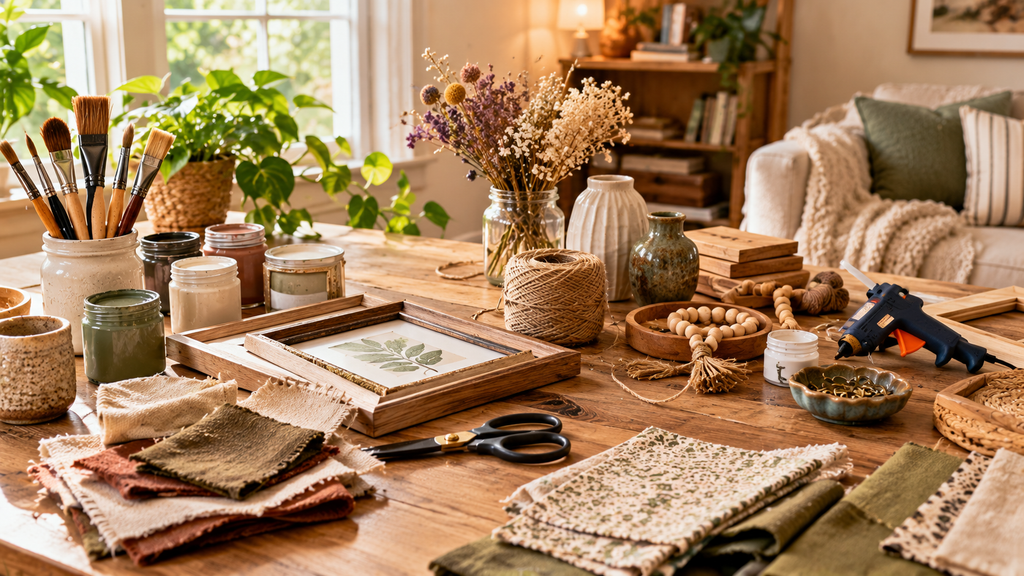
Before throwing away an outdated picture frame, take a second look at it.
A frame with a good shape can often be transformed with paint.
Clean it first and lightly sand glossy surfaces if necessary. Then choose a color that works with your room.
Warm white can give it a simple, classic appearance. Olive green can make it feel earthy. A deep brown or muted black can give it a more dramatic look.
You can leave the frame empty and use it as wall decor, or add a favorite photograph, botanical print, handwritten quote, or piece of fabric.
For a more collected look, make three or four frames in slightly different finishes and arrange them together.
The result can look far more expensive than the materials actually cost.
2. Make a Simple Decorative Tray
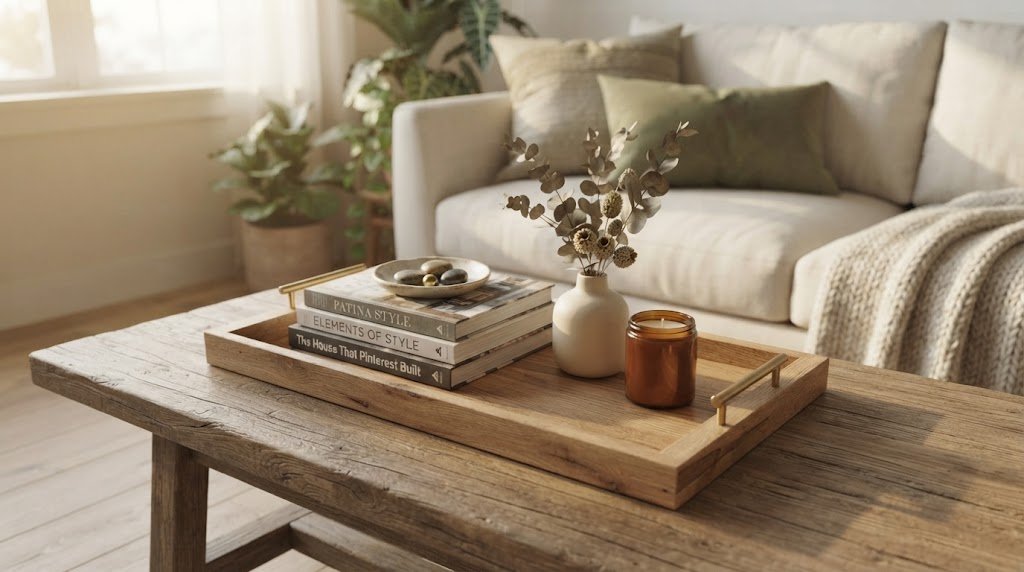
A wooden tray is one of those small pieces that can make a coffee table, kitchen counter, or entryway feel more organized.
You can make a simple version using a flat unfinished wooden board and inexpensive handles from a hardware or craft store.
Sand the board until the surface feels smooth. Stain it for a natural wood look, paint it, or leave the wood mostly unfinished.
Once the finish is dry, attach the handles according to the hardware instructions.
Use your finished tray to hold candles, books, a small vase, remote controls, or everyday items that normally make a table look messy.
3. Create Your Own Textured Wall Art
You don’t need to know how to paint realistically to make attractive artwork.
Textured wall art is a great beginner project because the finished piece can be intentionally imperfect.
Start with a blank canvas or sturdy art board. Use a simple modeling paste or suitable textured art medium and create loose lines, arches, waves, or abstract shapes with a palette knife.
Once dry, paint over it using one or two colors that work with your room.
Cream, warm beige, soft brown, muted green, and earthy terracotta can all work beautifully in neutral interiors.
Keep the design simple.
The goal isn’t to create something that looks perfectly manufactured. The small variations in texture are part of what makes handmade art interesting.
4. Give a Thrifted Vase a Completely New Look
Thrift stores can be excellent places to find inexpensive vases, ceramic containers, baskets, frames, and other objects that are perfect for DIY projects.
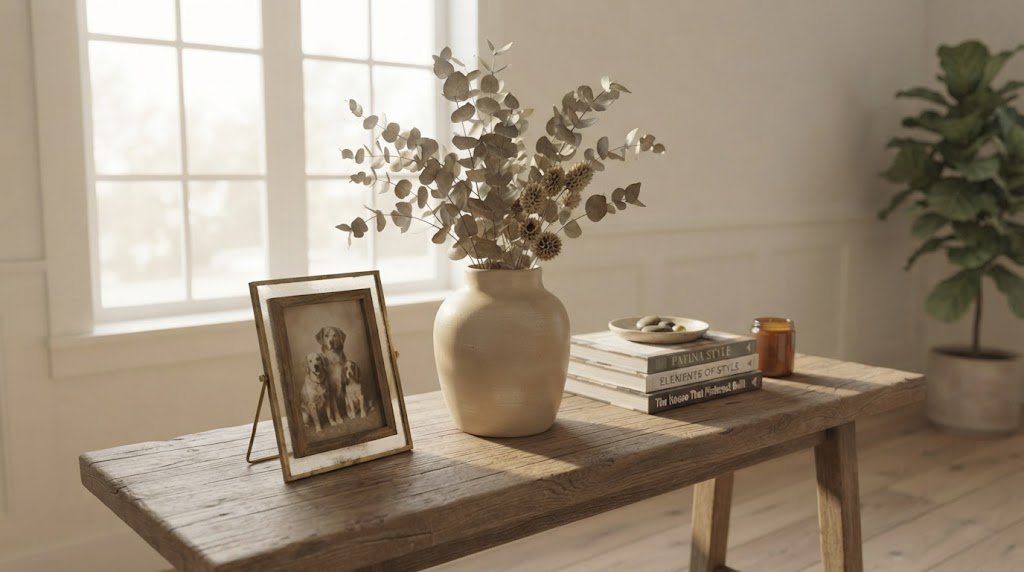
If you find a vase with a shape you like but a finish you don’t love, paint can completely change its personality.
Clean the surface thoroughly and choose a paint appropriate for the material.
A matte finish can give an ordinary vase a more modern, pottery-inspired appearance.
For something different, use two complementary shades and create a subtle color-blocked effect.
Add dried branches, faux stems, or fresh flowers and place it on a dining table, entryway console, bookshelf, or mantel.
The important part is choosing a shape you already like. Paint can change the surface, but the silhouette is what will make the finished piece interesting.
5. Turn an Old Sweater Into a Cozy Pillow Cover
Have an old sweater that you no longer wear but still love?
Instead of putting it in the donation pile immediately, consider turning it into a decorative pillow cover.
This works especially well with chunky knit sweaters.
Measure your pillow insert first. Depending on the sweater and construction, you can cut and sew the material into a simple cover, or use the existing seams to reduce the amount of sewing required.
Neutral sweaters can create beautiful fall and winter pillows, while colorful knits can add personality to a reading chair or bedroom.
If sewing isn’t your strength, choose a simple envelope-style design or ask someone experienced with a sewing machine to help with the final seams.
The result is inexpensive, soft, and much more personal than another mass-produced pillow.
6. Make a Memory Wall With Everyday Photos
Your phone probably contains hundreds of photographs that rarely get seen.
Turn some of them into decor.
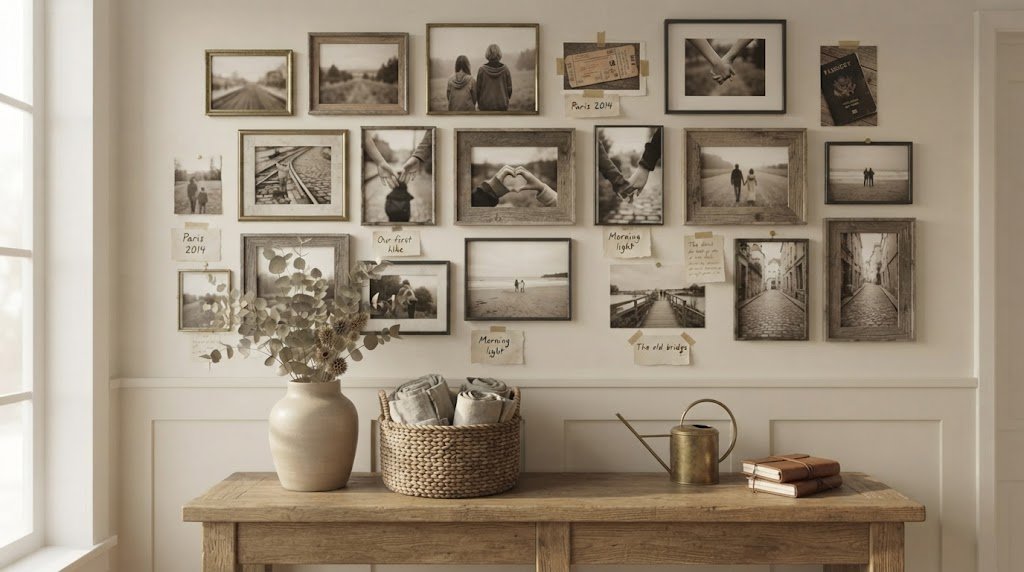
Choose a small collection of photographs that mean something to you—family moments, vacations, pets, favorite places, or simple everyday memories.
Print them in a consistent size and arrange them on one wall.
For a relaxed look, use mismatched frames.
For something cleaner, use frames with the same finish.
You can also add handwritten dates or tiny notes beneath some photographs.
The goal isn’t perfection.
A memory wall should feel like a collection of moments, not a showroom display.
7. Make a Simple Fabric Wall Hanging
Fabric scraps can become beautiful wall decor.
Look through leftover linen, cotton, canvas, or textured fabric before buying anything new.
Choose a few pieces that complement each other. Cut them into simple shapes and attach them to a wooden dowel or natural branch.
You can keep the design extremely simple or experiment with layered shapes, fringe, knots, or embroidery.
This type of project works particularly well in bedrooms, home offices, nurseries, and quiet reading corners.
Natural fabrics also add softness to rooms that contain lots of hard surfaces such as wood, metal, and glass.
8. Create a Small Herb Garden for the Kitchen
DIY doesn’t have to mean purely decorative.
A small kitchen herb garden can be both attractive and useful.
Use several small pots or containers and place herbs such as basil, parsley, thyme, mint, or rosemary where they receive suitable light.
Add simple handwritten plant labels if you like.
A wooden shelf or narrow windowsill can become a small growing station.
Just remember that different herbs have different light and watering requirements. A sunny kitchen window may work beautifully for some herbs, while a darker location may require supplemental lighting.
The best DIY projects are often the ones you actually use every day.
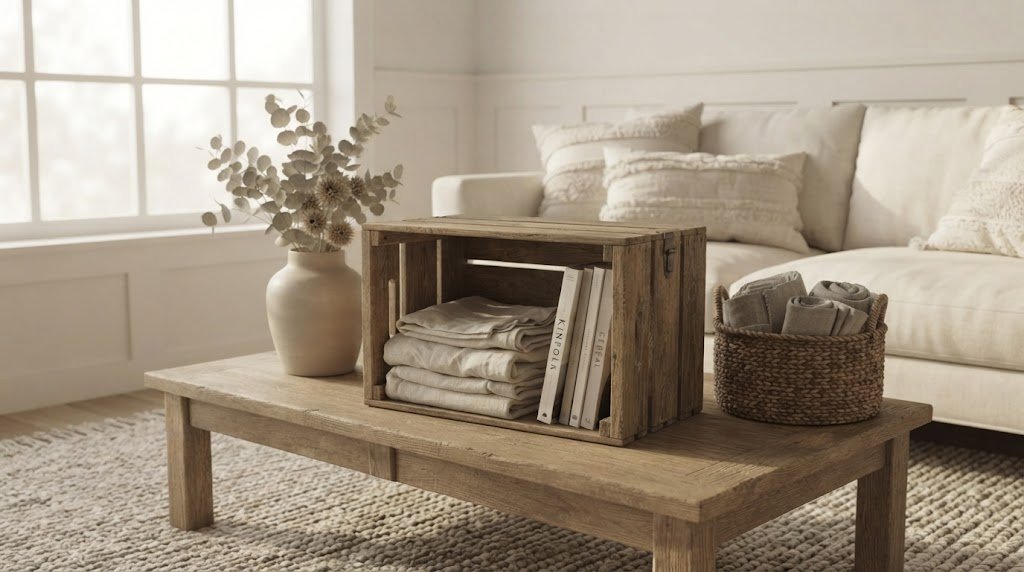
9. Upcycle a Wooden Box Into Storage
An old wooden crate or sturdy box can become useful storage with very little work.
Clean it thoroughly, sand rough areas, and decide whether you want to paint, stain, or simply seal the wood.
Use it for blankets in the living room, towels in the bathroom, children’s books, gardening supplies, or extra magazines.
You can also add small wheels to a suitable sturdy box to create a movable storage piece, provided the construction can safely support the intended load.
Before using any reclaimed wood indoors, check carefully for damage, mold, pests, sharp nails, or unstable construction.
10. Make Your Own Seasonal Decorations
One of the easiest ways to keep DIY crafting interesting is to make small decorations that change with the season.
In fall, try dried leaves, pinecones, branches, fabric pumpkins, or simple handmade garlands.
During winter, use paper stars, dried oranges, greenery, pinecones, or handmade ornaments.
For spring, pressed flowers, simple fabric decorations, and painted ceramic pieces can brighten a room.
Summer is perfect for lighter textures, shells, woven materials, and simple floral arrangements.
You don’t need a box full of decorations for every holiday.
A few handmade pieces that can be reused in different ways are often more practical.
Make DIY Part of Your Home, Not Just a Weekend Project
The best DIY projects don’t have to look perfect.
Actually, some of the charm comes from knowing that a person made them.
A slightly uneven brushstroke, a natural variation in wood, an old frame with a new finish, or a handmade textile can give a room something that perfectly manufactured objects sometimes lack.
And you don’t have to complete a huge project every weekend.
Start small.
Paint one frame.
Make one tray.
Transform one thrift-store vase.
Turn an old piece of fabric into something useful.
Once you start looking around your home differently, you may discover that you already have many of the materials you need.
A Few Simple Rules for Better DIY Projects
Before starting your next project, keep these five things in mind:
Start with what you already have.
Look through closets, drawers, storage areas, and the garage before buying supplies.
Don’t rush the finishing stage.
Sanding, cleaning, drying, and sealing can make a big difference in how professional a project looks.
Choose practical projects.
The best DIY decor is something you’ll actually use or enjoy seeing every day.
Don’t copy every trend.
A project that fits your home and personality will usually age better than something you made simply because it was popular online.
Give yourself permission to experiment.
Not every project will turn out perfectly. That’s part of learning.
The Beauty of Making Something Yourself
A beautiful home doesn’t have to be filled with expensive objects.
Sometimes the pieces that mean the most are the ones with a little history behind them.
Maybe you made the tray with your kids. Maybe the vase came from a thrift store. Maybe the wall hanging uses fabric left over from an old project. Maybe the picture frame holds a photograph from a trip you’ll never forget.
That’s what makes DIY home decor different.
You’re not simply decorating a room.
You’re adding pieces of your own story to it.
So the next time you look around your home and think something feels a little plain, don’t immediately reach for your wallet.
Look around first.
That old frame, forgotten sweater, wooden box, scrap of fabric, or thrifted vase might be the beginning of your next favorite piece of home decor.