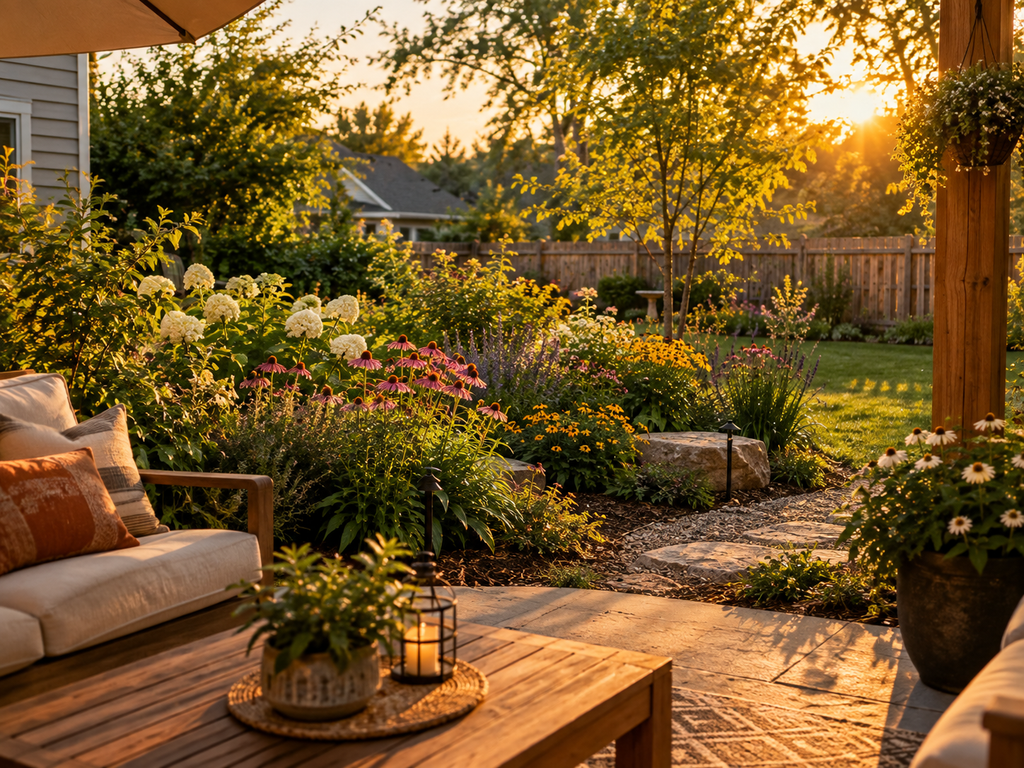
When Sarah moved to her suburban home in Ohio, she dreamed of a lush, vibrant backyard. But after spending her entire weekend weeding, watering exotic plants that wilted in the summer heat, and watching her water bill skyrocket, she realized something had to change. Gardening shouldn’t feel like a second full-time job. If you are looking to transform your outdoor space into a stunning, self-sustaining sanctuary without sacrificing your precious weekends, shifting to a native plant-based landscape is the ultimate game-changer.
Why Native Plants Are Transforming US Backyards
For decades, traditional American landscaping meant manicured lawns of Kentucky bluegrass and high-maintenance imported ornamentals. However, modern homeowners are waking up to a smarter, eco-friendly approach. Native plants—flora that naturally occur in your specific region of the United States—have spent thousands of years adapting to local weather patterns, soil types, and native wildlife.
- Drastically Lower Water Bills: Because native plants have deep root systems, once they are established, they require significantly less supplemental watering compared to traditional lawns.
- Built-In Pest and Disease Resistance: Having evolved alongside local ecosystems, these plants naturally ward off local pests, eliminating the need for harsh chemical pesticides.
- Supporting Local Pollinators: By planting native species like Purple Coneflowers or Milkweed, you provide essential habitats and food sources for declining honeybee and monarch butterfly populations.
Step 1: Assess Your USDA Hardiness Zone
Before buying a single shovel or seed packet, you need to know your USDA Plant Hardiness Zone. The United States is divided into distinct zones based on average annual minimum winter temperatures. Whether you are gardening in the chilly winters of Zone 5 (like parts of the Midwest) or the humid heat of Zone 9 (like Florida or coastal Texas), planting species designated for your specific zone ensures your garden survives seasonal shifts effortlessly.
- Check your zip code on the official USDA Plant Hardiness Zone Map online before heading to your local nursery.
- Group plants with similar water and sunlight requirements together (a practice known as hydrozoning) to maximize efficiency.
Step 2: Enrich Your Soil the Natural Way
Healthy plants start from the ground up. Instead of relying on synthetic chemical fertilizers that wash away during heavy spring rains, focus on building rich, living soil.
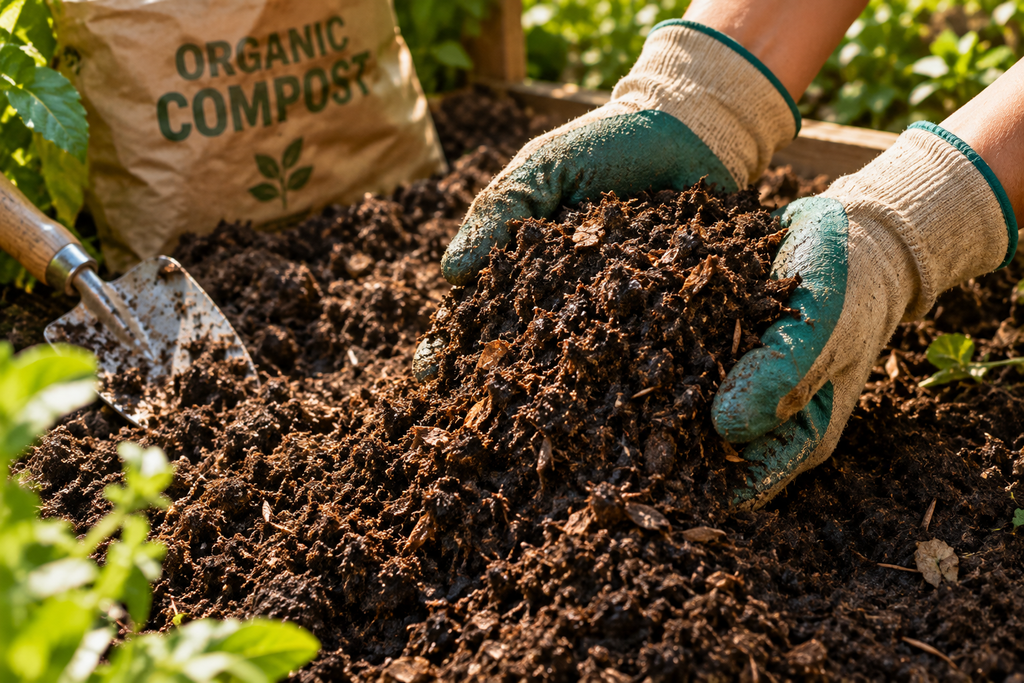
- Embrace Composting: Start a backyard compost bin with kitchen scraps like vegetable peels, coffee grounds, and yard trimmings.
- Use Organic Mulch: Apply a 2-to-3-inch layer of shredded hardwood mulch around your plants. This locks in vital soil moisture during scorching summer months, suppresses weed growth naturally, and gradually feeds nutrients back into the soil as it decomposes.
Step 3: Choose High-Impact, Low-Care US Favorites
To keep your garden looking professionally designed with minimal effort, select a mix of structural shrubs, perennial flowers, and ornamental grasses. Here are some top recommendations that thrive across various US regions:
- Coneflowers (Echinacea): Practically bulletproof against drought and beloved by pollinators, these vibrant pink and purple blooms add a cheerful pop of color all summer long.
- Black-Eyed Susans (Rudbeckia): Exceptionally hardy and adaptable, they tolerate poor soil and blazing sun with absolute ease.
- Switchgrass (Panicum virgatum): A stunning native ornamental grass that adds gorgeous vertical texture and movement to landscape borders while standing strong against winter winds.
Maintaining Your Sanctuary Throughout the Seasons
A low-maintenance garden does not mean a no-maintenance garden. The key is working smarter, not harder. In early spring, spend a couple of hours clearing away dead winter growth and refreshing your mulch layer. During the peak of summer, water deeply but less frequently—this encourages plants to send their roots deeper into the earth, making them far more resilient against dry spells.
By embracing native landscaping, you are not only saving yourself countless hours of grueling yard work and saving money on utilities, but you are also creating a vibrant, living ecosystem right outside your back door. Grab your gardening gloves this weekend, start small with a single flower bed, and watch your outdoor space transform into a thriving masterpiece.