
Starting a home garden can feel a bit overwhelming at first. When I planted my very first backyard garden, I made plenty of mistakes—overwatering, choosing the wrong spots, and wondering why my plants weren’t thriving. But once I learned the basics tailored to our local climate, everything changed.
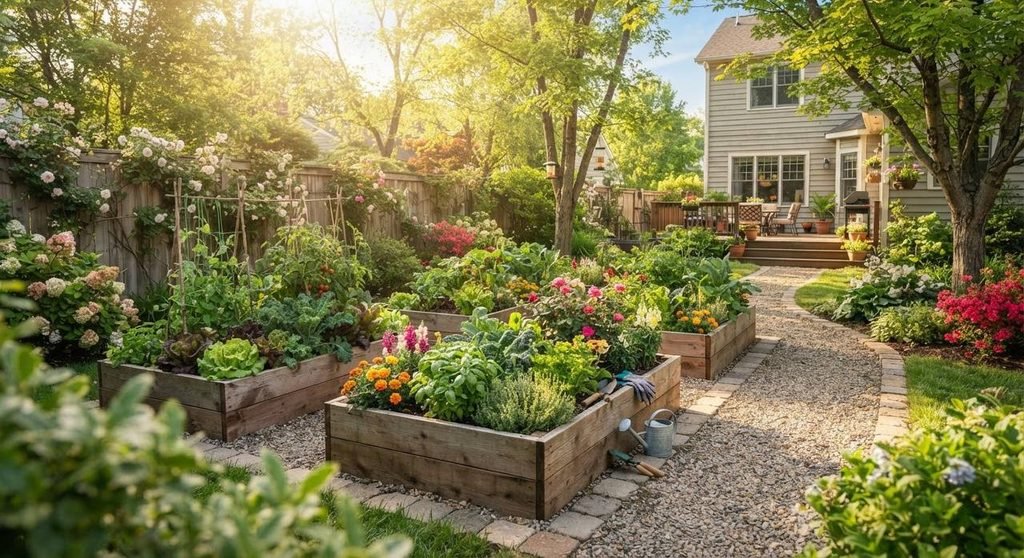
If you are a beginner in the US looking to grow your own flowers, herbs, or vegetables, here are 10 essential gardening tips to help you succeed right from the start.
1. Know Your USDA Hardiness Zone
Before buying any seeds or plants, you need to know your USDA Hardiness Zone. The United States spans multiple climate zones, ranging from freezing northern winters to warm southern heat. Knowing your zone helps you understand which plants will survive the winter in your specific area and when it is safe to plant outdoors. You can easily find your zone online using your zip code.
2. Understand Your Sunlight Patterns
Take a walk around your yard or balcony and observe how the sunlight hits different spots throughout the day. Most vegetables, herbs, and flowering plants require at least 6 hours of direct sunlight daily. Make sure to map out your “full sun” versus “partial shade” areas before placing your pots or digging your garden beds.
3. Focus on Quality Soil Preparation
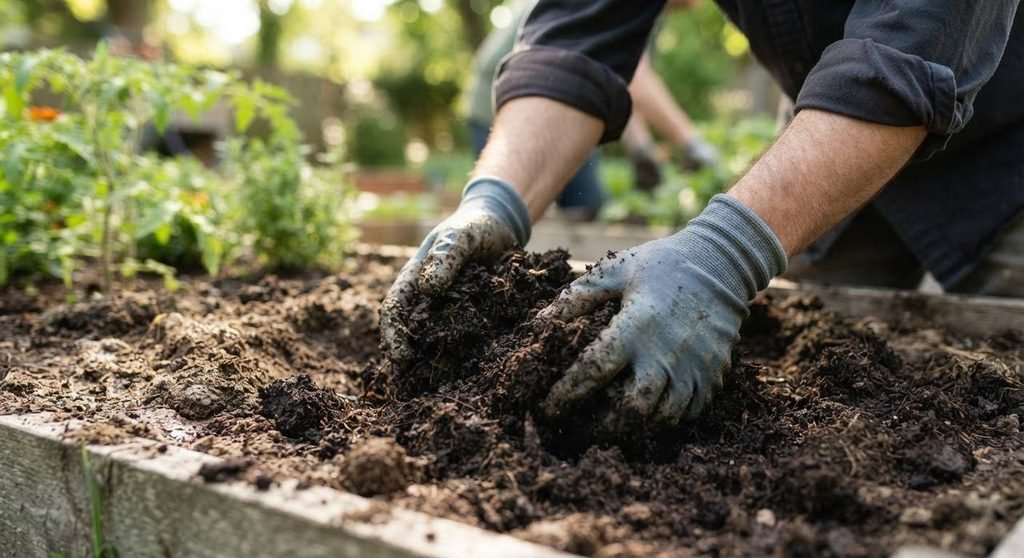
Great gardening starts underground. Most garden soils need a boost of nutrients. Mix in plenty of organic compost to enrich your soil. Good soil improves drainage, retains essential moisture, and provides the loose texture that plant roots need to expand easily.
4. Water Deeply, Not Frequently
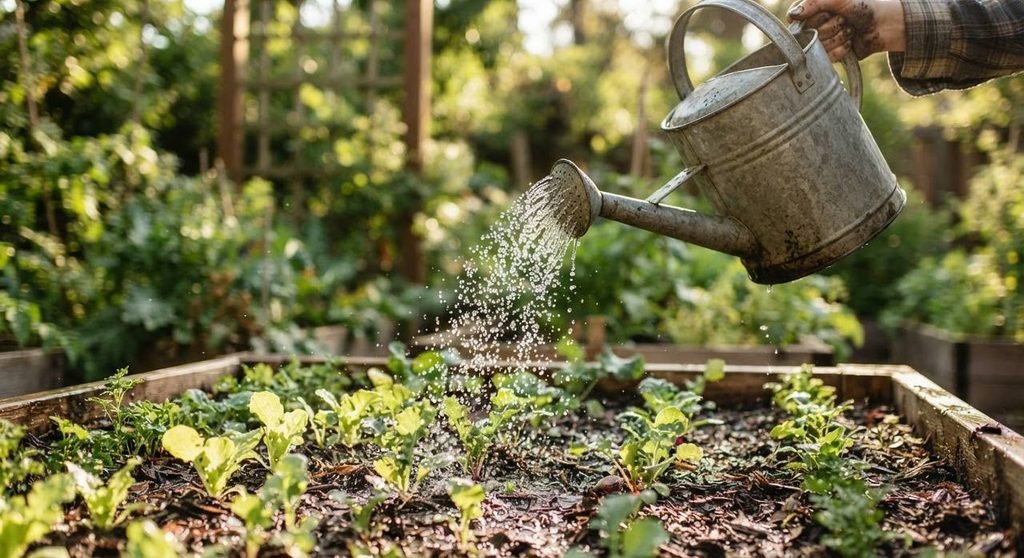
A common mistake beginners make is giving plants a tiny splash of water every single day. This only dampens the surface and forces roots to stay shallow. Instead, water your plants deeply—about 1 to 2 inches of water per week, including rainfall—so the moisture penetrates deep into the root zone. Watering early in the morning is ideal to minimize evaporation and fungal diseases.
5. Give Plants Proper Spacing
It is tempting to pack plants closely together to make a garden look full right away. However, overcrowding restricts airflow and blocks sunlight. Proper spacing prevents fungal diseases (like powdery mildew) and ensures each plant gets enough nutrients and water from the soil. Check the back of your seed packets for exact spacing guidelines.
6. Choose the Right Containers and Drainage
If you are container gardening on a patio or balcony, make sure your pots have drainage holes at the bottom. Without proper drainage, excess water will pool at the bottom and cause root rot. Also, match your plant size to the container—don’t put a tiny seedling into a massive pot, as the soil will stay wet for too long.
7. Use Organic Mulch
Adding a 2-to-3-inch layer of organic mulch (such as shredded bark, straw, or chopped leaves) around your plants works wonders. Mulch suppresses weeds, locks in soil moisture during hot summer months, and keeps plant roots cool. As it breaks down, it also adds extra nutrients back into the soil.
8. Keep Weeds Under Control Early
Weeds are ruthless competitors that steal water, sunlight, and nutrients from your prized plants. Spend just 10 minutes a week pulling weeds by hand while they are small. Getting them out by the roots before they drop new seeds will save you hours of heavy yard work later in the season.
9. Monitor Daily for Pests and Diseases
Walk through your garden every couple of days and check the underside of leaves. Catching pests (like aphids or caterpillars) or early signs of disease early makes them much easier to manage. Often, a simple spray of organic neem oil or a blast of water from the hose is all you need to protect your plants.
10. Practice Patience and Enjoy the Process
Gardening is a journey of trial and error. Not every seed will sprout, and pests will occasionally win a round. Don’t get discouraged—every experienced gardener started with a few failed plants. Take your time, observe nature, and enjoy the rewarding feeling of watching your garden grow.