
There’s something special about stepping into a backyard that feels cared for. Maybe it’s the smell of fresh soil, the sight of tomato plants growing along a fence, or a little corner filled with herbs you can snip while making dinner.
A beautiful garden doesn’t have to be huge, expensive, or perfectly organized. Sometimes, a few small changes can make a bigger difference than an entire weekend of hard work.
If your backyard garden has started to look a little tired, you’re not alone. Busy schedules, hot summer days, weeds, dry soil, and plants that grow faster than expected can make gardening feel like a never-ending chore.
The good news? You can make meaningful improvements in just 10 minutes at a time.
Whether you have a suburban backyard in Texas, a small garden in Ohio, or a few raised beds in California, these simple gardening tips will help you create a healthier, more inviting outdoor space.
You don’t need fancy tools or years of experience. You just need a little time, a realistic plan, and the willingness to start small.
1. Start With a Quick Garden Walk
Before you pull weeds or start watering, take a few minutes to walk around your garden.
Look at the plants, the soil, the garden beds, and the areas that get the most sunlight. What looks healthy? What seems dry? Are any plants leaning, crowded, or covered with damaged leaves?
This simple habit can help you notice small problems before they become bigger ones.
For example, a tomato plant with a few yellow leaves may need closer attention to watering, nutrition, or other growing conditions. A plant that looks wilted in the afternoon may be responding to heat, while a plant that stays wilted in the morning deserves a closer look.
You don’t have to fix everything in one day.
Try this: Choose one small area of your backyard and decide what needs attention first. A focused 10-minute garden walk is much easier than trying to manage the entire yard at once.
2. Water Your Garden the Smart Way
Watering is one of the most important gardening tasks, but more water isn’t always better.
Many beginner gardeners water their plants on a strict schedule without checking the soil. In reality, watering needs depend on the plant, weather, soil, container size, and time of year.
A raised garden bed in full sun may dry out faster than a shaded garden bed. Container plants can also need more frequent attention than plants growing in the ground.
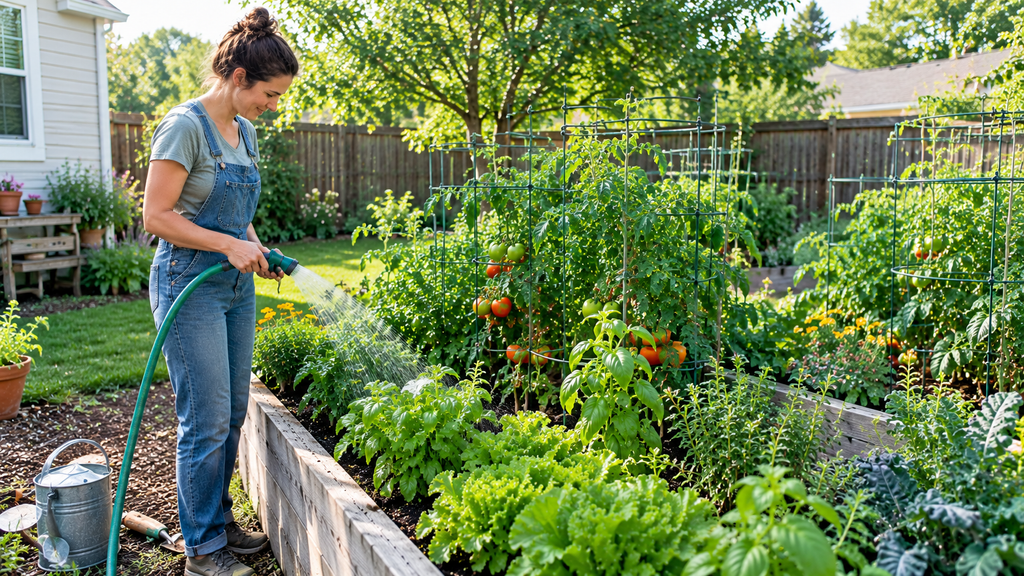
Before watering, check the soil with your finger. If the top inch or two feels dry, many established garden plants may benefit from watering, although the ideal depth depends on the plant and conditions.
When you water, aim for the soil around the roots rather than spraying the leaves unnecessarily. Slow, thorough watering helps moisture reach the root zone.
Early morning is often a convenient time to water because it gives foliage time to dry during the day.
A simple watering checklist
- Check the soil before watering.
- Water deeply when plants need it.
- Pay extra attention during hot, dry weather.
- Use a soaker hose or drip irrigation where practical.
- Adjust watering after rain.
Remember, plants have different needs. Succulents, herbs, vegetables, and newly planted shrubs should not all be treated exactly the same.
3. Add Mulch for a Healthier Garden
If you want one simple garden improvement that makes a noticeable difference, consider adding mulch.
Mulch is a layer of material placed over the soil. Organic options include shredded leaves, compost, pine straw, and wood chips, depending on the garden and what is locally available.
Mulch can help the soil retain moisture, reduce weed growth, and protect the soil surface from temperature changes. Organic mulch can also contribute to soil organic matter as it breaks down.
For a vegetable garden, a layer of suitable organic mulch can make the beds look tidier while reducing the amount of bare soil exposed to the sun.
However, avoid piling mulch directly against plant stems or tree trunks. Leave a little space around the base to reduce moisture-related problems.
A useful beginner tip: Start with one garden bed instead of mulching the entire yard. You’ll quickly see how much material you need and how the soil responds.
4. Give Your Raised Garden Beds a Small Makeover
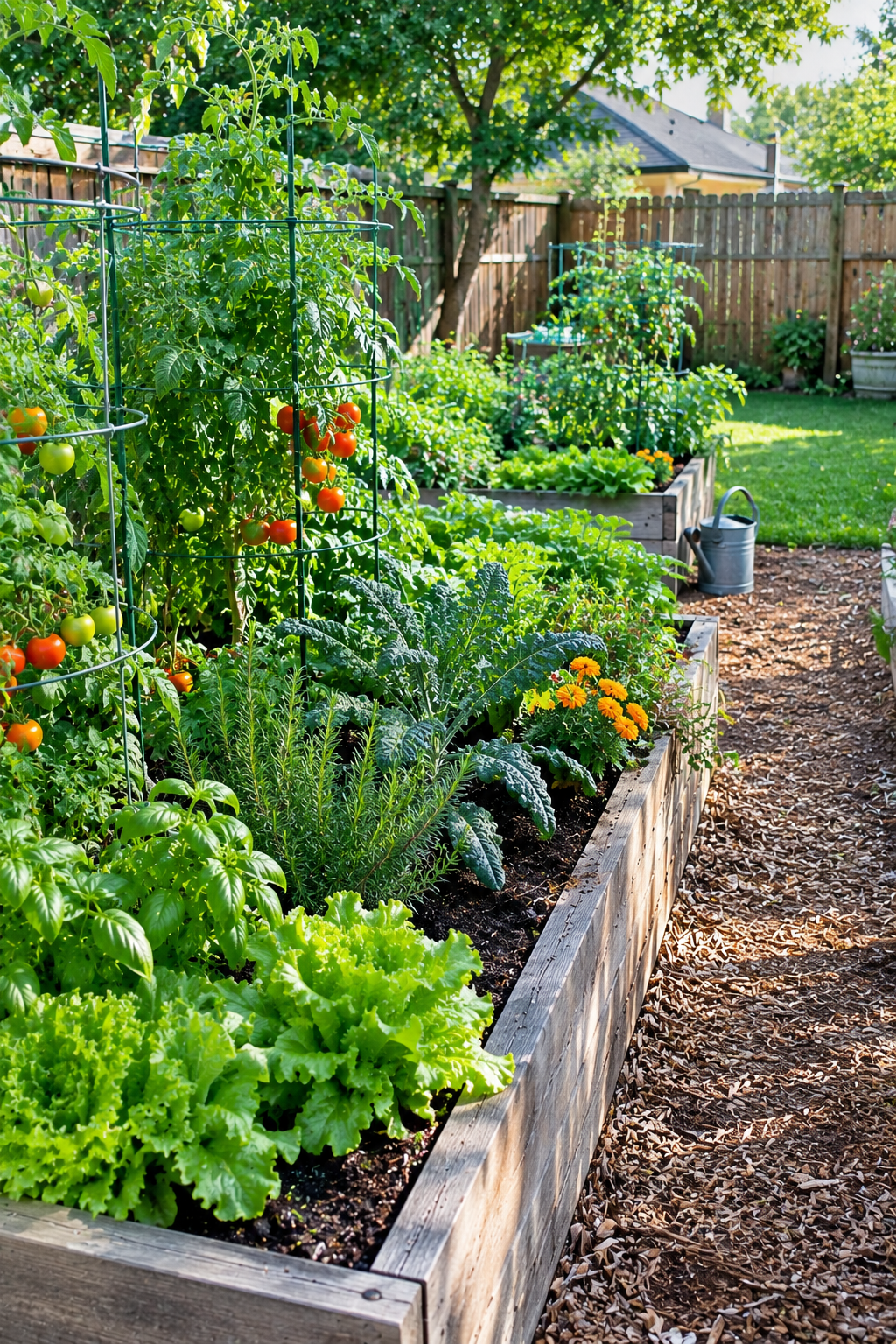
Raised garden beds are popular with American home gardeners because they make it easier to organize vegetables, herbs, and flowers in a defined space.
But even a well-designed raised bed can start looking messy as plants mature.
Take 10 minutes to:
- Remove dead leaves and fallen plant debris.
- Pull a few obvious weeds.
- Tie up tomato plants that are leaning.
- Check whether plant supports are still stable.
- Clear the walking path around the bed.
You don’t need to remove every imperfect leaf. A garden is a living space, not a showroom.
Leaving some healthy plant material in place can support a more natural garden environment. The goal is to remove genuine problems while keeping the garden productive and welcoming.
If a bed looks crowded, consider whether some plants need more room. Overcrowding can reduce airflow and make it harder to water, harvest, and inspect plants.
5. Learn Which Weeds Deserve Your Attention
Not every plant growing in your garden is a problem, but unwanted weeds can compete with garden plants for water, sunlight, and nutrients.
The trick is to avoid turning weeding into an exhausting project.
Instead of trying to clear an entire backyard, choose a small area and work from there.
Pull young weeds when the soil is slightly moist, if possible. They are often easier to remove before they become deeply rooted or produce seeds.
For larger weeds, use a hand tool carefully and avoid disturbing the roots of nearby plants.
It’s also helpful to learn the difference between weeds and beneficial volunteer plants. Sometimes a plant that appears unexpectedly may be a flower or herb you actually want to keep.
If you’re unsure what a plant is, take a photo and identify it before removing it.
The easiest garden to maintain is one you inspect regularly. A few minutes every couple of days can save you from a much bigger weeding session later.
6. Feed Your Soil, Not Just Your Plants
Healthy soil is the foundation of a healthy garden.
Many gardeners focus on buying new plants but overlook the condition of the soil those plants depend on.
Adding compost is one practical way to improve many garden soils. Compost can help support soil structure, moisture management, and biological activity.
Before adding fertilizer, consider what your plants actually need. Too much fertilizer can damage plants and contribute to nutrient runoff.
A soil test can be useful if you have persistent plant problems, poor growth, or uncertainty about nutrient levels. Your local county extension office may offer soil-testing information or gardening guidance.
For raised beds, pay attention to how the soil settles over time. You may need to top up the beds with suitable soil or compost, depending on the plants and the condition of the existing mix.
You don’t need to spend a fortune on garden products. Good soil management often begins with observation and small improvements.
7. Grow Herbs You’ll Actually Use
One of the most rewarding gardening tips for beginners is to grow herbs you already enjoy cooking with.
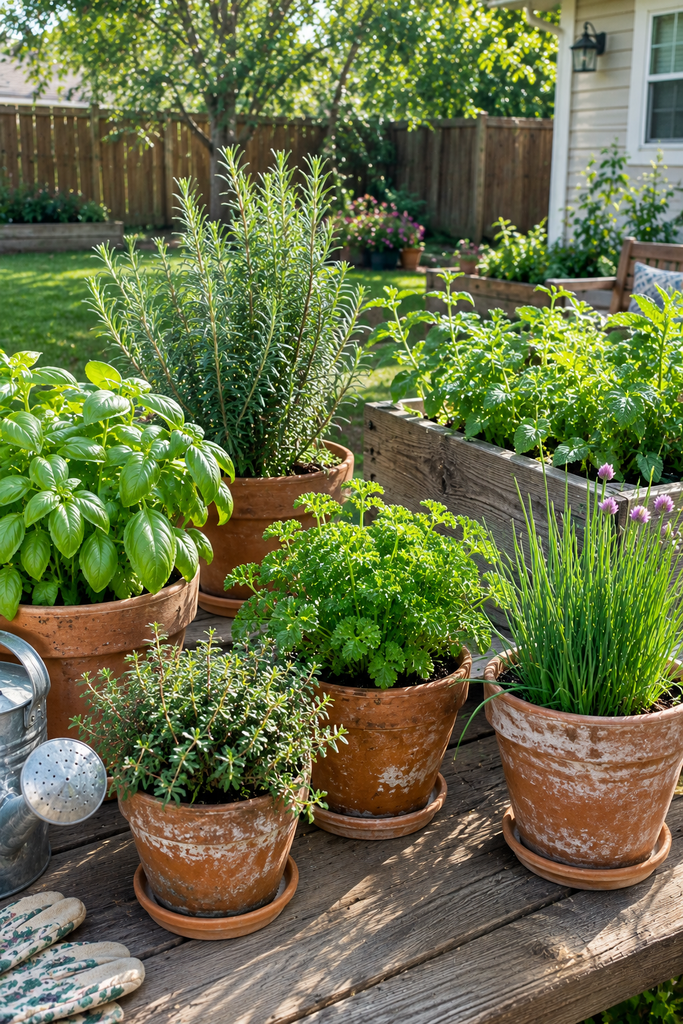
Fresh basil, parsley, chives, mint, rosemary, and thyme can add a useful touch of greenery to a backyard or patio.
If you cook with basil regularly, growing one or two plants may be more satisfying than planting a dozen vegetables you rarely eat.
Choose herbs based on your climate, available sunlight, and the space you have.
Some herbs grow well in containers, making them suitable for apartments, balconies, and small patios. Others prefer garden beds or well-drained soil.
A sunny windowsill can also be a good option for certain herbs, although indoor light levels vary.
Start with two or three herbs. Learn how they grow, harvest them regularly when appropriate, and add more once you feel comfortable.
8. Make Room for Pollinators
A garden can be beautiful and useful for more than just the people who live there.
Flowers that provide nectar and pollen can help support pollinators such as bees and butterflies. Adding a few suitable flowering plants can make your garden more colorful while creating habitat and food sources.
You don’t need a huge pollinator garden to get started.
Try adding flowers that are appropriate for your region and growing conditions. Native plants can be especially valuable because they are adapted to local environments and may support local wildlife.
A few simple options to explore include:
- Native flowering perennials.
- Sunflowers.
- Zinnias.
- Coneflowers.
- Bee balm, where suitable.
- Herbs allowed to flower.
Choose plants according to your local climate, soil, sunlight, and available space.
Avoid treating every insect as a pest. Some insects are harmless visitors, while others can be important garden helpers.
A little diversity in your garden can make it feel more alive.
9. Prune With a Purpose
Pruning can help plants stay manageable, but it’s important to know what you’re cutting and why.
Removing dead, damaged, or diseased plant material can improve the appearance of many gardens. However, the correct pruning time varies by plant.
For example, pruning a flowering shrub at the wrong time can remove flower buds that would have bloomed later.
Before cutting, identify the plant and learn whether it flowers on old wood or new growth.
For a quick 10-minute task, focus on obvious dead stems, broken branches, or plants that are blocking pathways.
Use clean, suitable pruning tools and avoid cutting healthy growth unnecessarily.
When in doubt, research the plant before pruning heavily. A little patience can protect next season’s flowers.
10. Add One Small Feature That Makes You Smile
A beautiful garden doesn’t have to be expensive.
Sometimes, one small decorative feature can make the entire space feel more personal.
You could add:
- A simple wooden garden sign.
- A terracotta pot near the back door.
- A small bench.
- A birdbath.
- A decorative trellis.
- A few solar garden lights.
- A vintage-style watering can.
Choose something that fits the existing space rather than trying to redesign everything.
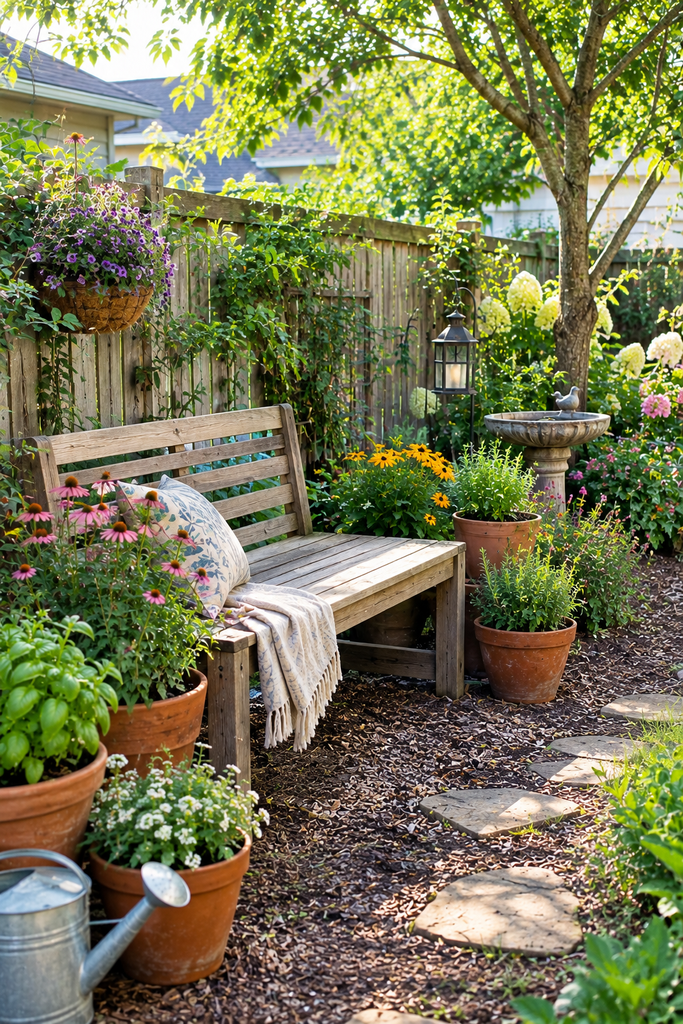
For example, a wooden bench near a flower bed creates a natural place to sit and enjoy the garden. A few matching pots can make a patio feel more organized.
The best garden decor is often the kind that feels useful as well as attractive.
11. Keep a Simple Garden Journal
You don’t need a complicated gardening planner to become a better gardener.
A small notebook or notes app can help you remember what you planted, when you watered, and which plants performed well.
Write down simple details such as:
- Plant names.
- Planting dates.
- Where each vegetable is growing.
- When you added compost.
- Which plants struggled.
- What you want to try next season.
This information becomes especially useful when planning next year’s garden.
Maybe your tomatoes grew beautifully in one area but struggled in another. Maybe a certain herb needed more sunlight. Maybe your lettuce bolted quickly during a hot spell.
Your garden can teach you a lot when you pay attention.
12. Build a Gardening Routine You Can Actually Maintain
The most useful gardening tip of all is to create a routine that fits your life.
You don’t need to spend hours outside every day. A short, consistent routine can help you stay on top of watering, weeds, harvesting, and plant health.
Here’s an easy weekly plan for a beginner gardener:
| Day | 10-minute gardening task |
|---|---|
| Monday | Walk around the garden and check plant health. |
| Tuesday | Water plants that need it and inspect soil moisture. |
| Wednesday | Pull weeds from one small garden bed. |
| Thursday | Harvest herbs, vegetables, or flowers that are ready. |
| Friday | Check plant supports and remove damaged leaves. |
| Saturday | Add mulch, compost, or tidy a garden path. |
| Sunday | Enjoy the garden and plan the next week. |
You can adjust this routine based on the weather, your garden size, and the season.
During hot weather, watering may need more frequent attention. During rainy periods, you may need to water less. In colder climates, seasonal changes will affect what grows and when garden tasks are needed.
The goal is not perfection. It’s consistency.
Final Thoughts: A Better Garden Starts With One Small Step
A beautiful backyard garden is built over time.
You don’t have to buy everything at once, plant every vegetable, or spend your entire weekend outside. Small improvements can add up to a garden that feels healthier, more organized, and more enjoyable.
Start with one raised bed. Check your soil. Water thoughtfully. Add a little mulch. Grow an herb you love. Sit outside for a few minutes and notice what’s changing.
Gardening is not just about growing plants. It’s about creating a space that gives you something back.
And sometimes, the best garden improvement is simply spending 10 minutes caring for it today.
What small gardening task will you tackle first?