
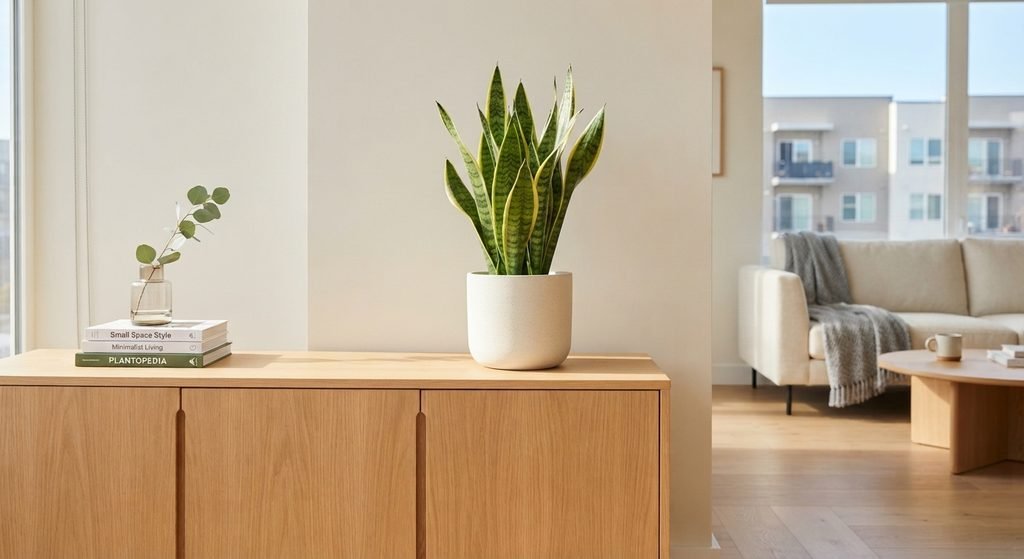
- Introduction Stepping into a tiny studio apartment or a compact rental in a bustling US city can sometimes feel a bit sterile. The stark white walls, limited square footage, and lack of a traditional backyard often leave urban renters craving a connection to nature. When I first moved into my cramped apartment, it felt lifeless until I introduced my very first houseplant—a humble, resilient Snake Plant that somehow survived my frequent travel schedule. Transforming an indoor space with greenery does not require a sprawling greenhouse or a massive budget. With the right selection and a bit of strategic placement, bringing plants indoors can instantly purify your air, boost your mood, and make any small space feel like a vibrant, breathing sanctuary.
- 1. Start Small and Choose Low-Maintenance Varieties The secret to successful indoor gardening in an apartment is choosing plants that match your lifestyle and lighting conditions. If you work long hours or travel frequently, avoid high-maintenance tropicals that demand constant humidity and pristine care. Instead, opt for virtually indestructible varieties that tolerate neglect and low-light corners.
- Snake Plants (Sansevieria): These architectural wonders store water in their thick leaves, meaning they can easily survive if you forget to water them for weeks. They also excel at filtering indoor air pollutants.
- ZZ Plants (Zamioculcas zamiifolia): Known for their glossy, dark green leaves, ZZ plants thrive on neglect and adapt remarkably well to the fluorescent or dim lighting common in many US rental units.
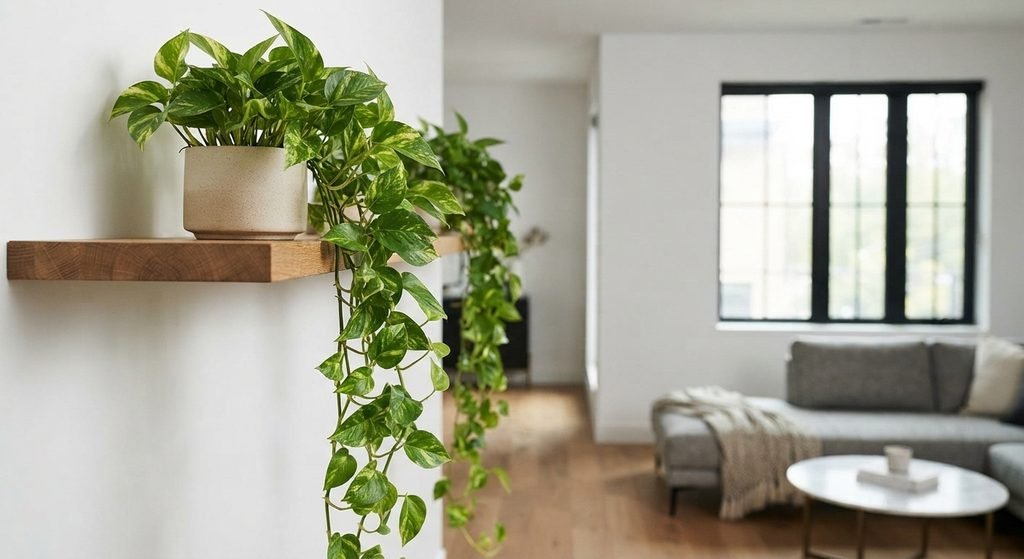
- 2. Leverage Vertical Space with Hanging and Trailing Plants When floor space is scarce, your walls and ceilings become your best friends. Urban apartments often have plenty of vertical real estate that goes completely underutilized. Instead of crowding your limited floor area with bulky furniture or heavy plant stands, look upward. Golden Pothos and Heartleaf Philodendrons are classic apartment favorites because they cascade gracefully down bookshelves, kitchen cabinets, or high wall shelves. Watching a single cutting trail down a living room bookshelf adds an effortless, organic layer of texture to the room without eating up a single square inch of your walking path.
- 3. Understand Your Apartment’s Unique Lighting Every US apartment features a different exposure depending on its orientation, and understanding your natural light is crucial for plant survival. South-facing windows offer intense, direct sunlight throughout the day, which makes them ideal for sun-loving succulents and herbs like rosemary or basil. On the other hand, north-facing windows provide gentle, indirect light that suits shade-tolerant species like Ferns, Peace Lilies, and Calatheas. If your apartment lacks windows altogether—such as a windowless bathroom or a tight hallway—do not despair. Simple LED grow bulbs screwed into standard lamps can easily mimic natural sunlight and keep your green companions thriving year-round.
- 4. Master the Art of Watering (Less is Usually More) The number one killer of indoor houseplants isn’t a lack of attention—it is overwatering. Many beginner plant parents panic and water their plants on a strict rigid calendar schedule, which often leads to root rot. Instead, check the soil moisture manually by pressing your finger about an inch deep into the dirt. If the soil still feels damp, leave it alone. When you do water, soak the soil thoroughly until water drains out of the bottom of the pot, and always make sure your containers have proper drainage holes. Your plants will reward your restraint with lush, healthy growth.
- Conclusion Decorating a small apartment with indoor plants is an ongoing, rewarding journey rather than an overnight project.
- You do not need to turn your home into a dense jungle overnight; starting with just one or two hardy specimens is more than enough to change the entire atmosphere of your living space. Pay attention to how your plants react to your home’s unique climate, adjust their watering schedule, and enjoy the calming energy they bring. What is the biggest challenge you face right now when keeping plants alive in your space? Let me know in the comments below—I would love to help you troubleshoot!